- 13/11/2025
GAIN’s contributions were made possible through the Nourishing Food Pathways programme, which is jointly funded by: German Federal Ministry for Economic Cooperation and Development; Ministry of Foreign Affairs of the Netherlands; European Union; government of Canada through Global Affairs Canada; Irish Aid through the Development Cooperation and Africa Division; and Swiss Agency for Development and Cooperation of the Federal Department of Foreign Affairs. The findings, ideas, and conclusions contained presented here are those of the authors and do not necessarily reflect positions or policies of any of GAIN’s funding partners.
The handbook is also supported by the Federal Ministry for Economic Cooperation and Development (BMZ) and Deutsche Gesellschaft für Internationale Zusammenarbeit (GIZ).
- 05/11/2025
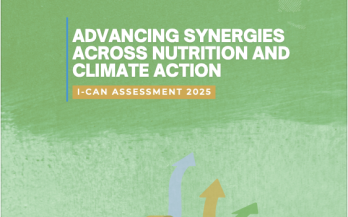
The I-CAN Assessment 2025 aims to provide a snapshot into the current state of integration between climate and nutrition action across 16 indicators in policy and finance. Despite modest progress since 2023, the report makes clear that integration of climate and nutrition in key international and national policies and financing remains limited, slowing progress towards both reducing malnutrition and climate goals. However, the report also helps to highlight priority areas for action, spotlighting examples of best practice we can learn from as we progress into the second half of this critical decade for the SDGs and climate action.
- 14/10/2025
Through the Nourishing Food Pathways programme, GAIN has collaborated with Hystra on a new study exploring how investments in nutritious food value chains can deliver both nutrition and environmental benefits in Latin America, Sub-Saharan Africa, and South Asia. The research highlights opportunities for impact-oriented investors, specifically Development Finance Institutions (DFIs), to direct capital towards businesses that improve diets while advancing sustainable food systems.
The study prioritises six nutritious food value chains; fruits, vegetables, legumes, milk, poultry, and aquaculture, selected for their inherent nutritional value, potential to reduce environmental pressures and high investment potential. In each region, case studies of investable enterprise illustrate how targeted investments can expand access to affordable and diverse nutritious foods, reduce post-harvest losses, promote climate-friendly practices such as regenerative agriculture and circular resource use, and enhance productivity.
The report provides practical insights for DFIs and other impact-oriented investors who are committed to advancing SDG2 (Zero Hunger) and SDG13 (Climate Action). By making strategic investments in businesses operating in these value chains, investors can simultaneously reduce environmental impacts and expand access to nutritious, affordable foods in local markets, creating a virtuous cycle of sustainable growth and resilience.
- 11/09/2025
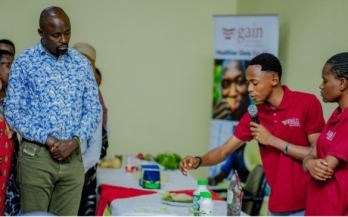
While Rwanda has made notable progress in recent decades on areas linked to improved prosperity such as growth in agricultural production and poverty reduction,rates of malnutrition remain a public health concern, particularly among vulnerable groups like young children.
- 09/09/2025
I-CAN presents a new playbook offering step-by-step guidance to embedding nutrition-sensitive ambition and action into nationally determined contributions (NDCs). Drawing on I-CAN experience support climate-nutrition integration in different countries, it highlights practical entry points, resources, and provides policy examples to create nutrition–climate win-wins across food systems, health, agriculture, and social protection. By aligning nutrition with climate goals, countries can strengthen food and health systems, advance progress on the SDGs, and pursue the Paris Agreement 1.5 °C target.
- 22/07/2025
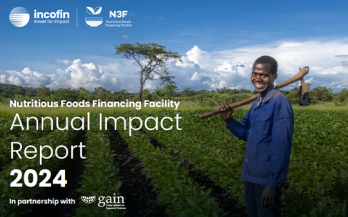
N3F’s 2024 Nutrition Impact: Expanding Access to Nutritious Foods Across Sub-Saharan Africa
The Nutritious Foods Financing Facility (N3F) released its first impact report, underscoring a strong selection of impactful investees enhancing nutrition across Sub-Saharan Africa. In 2023, the N3F portfolio collectively produced or facilitated access to over 647 million servings of nutritious food products, reaching an estimated 3 million end-consumers, the majority of whom are low- and middle-income households.
- 10/07/2025
The UN Food Systems Summit (UNFSS) was the first time youth were actively invited to be equal participants in a global food or nutrition summit. Youth played a pivotal role in UNFSS, contributing diverse perspectives to transform global food systems. Through youth-led dialogues, leadership in action tracks, and the UNFSS Youth Constituency, young people influenced policies, showcased innovative solutions for sustainability, and championed intergenerational equity. A key outcome of UNFSS was the Food Systems Pathways, which set out countries’ approaches for transforming their food systems to be more sustainable, inclusive, and resilient, aligned with the Sustainable Development Goals.
- 03/06/2025
The world is facing multiple interconnected crises, including climate change and escalating conflicts, which pose significant challenges to food systems. These issues highlight the need for systemic transformation to improve food security, nutrition, and environmental sustainability. In response, GAIN's Nourishing Food Pathways (NFP) programme aims to strengthen and support the implementation of food system pathways in 11 countries.
- 03/06/2025
The food safety regulatory framework in Tanzania is characterized by the absence of a comprehensive, overarching policy framework dedicated solely to food safety. Instead, food safety governance is fragmented across various laws and regulations managed by different institutions each addressing specific aspects of food safety.
- 27/05/2025
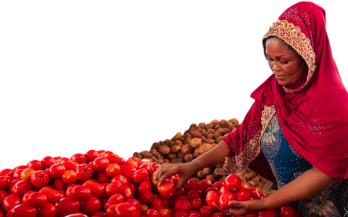
Adequate nutrition is essential for physical and cognitive development, improved health outcomes, and enhanced overall individual productivity, all of which contribute to broader macroeconomic and societal growth. However, malnutrition remains a pressing challenge, particularly in low- and medium-income countries, including Nigeria. Recent findings from the National Food Consumption and Micronutrient Survey reveal multiple forms of malnutrition, including micronutrient deficiencies.