- 24/11/2020
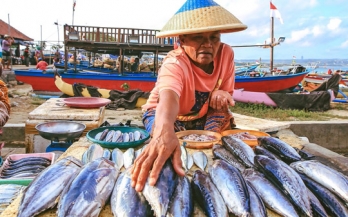
Recognising that the problem of food loss in the fish value chain cannot be tackled in siloes and requires coordinated action, the Indonesia Postharvest Loss Alliance for Nutrition (I-PLAN) was created in 2018 to bring together the expertise and resources of the Global Alliance for Improved Nutrition (GAIN), the Ministry of Health, Ministry of Marine Affairs and Fisheries and a diverse range of business, academic and civil society organisations.
- 24/11/2020
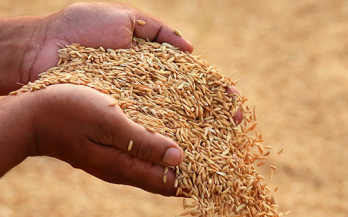
The Commercialisation of Biofortified Crops (CBC) Programme was launched in 2019 to address widespread hidden hunger in Africa and Asia by significantly expanding the reach of foods and food products made with biofortified staple crops.
- 17/11/2020
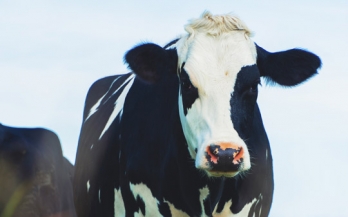
Ethiopia is experiencing a growing demand for dairy products, which can make a major contribution to the intake of essential nutrients in the population. However, as a developing country, a large part of the residents do not have access
to dairy products, primarily due to both limited financial resources and availability.
- 20/10/2020
Starting a business is challenging - particularly in the agriculture and food sector in a low- or middle-income country, and particularly for women, who face numerous barriers to starting and running a firm. Business networks can play an important role in helping women (and men) navigate these challenges by providing them with access to information, contacts, and resources.
- 12/11/2020
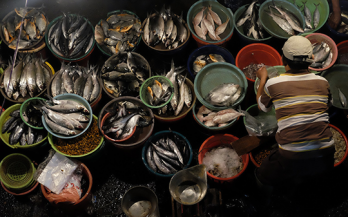
Food loss is a big challenge in Indonesia, with loss of nutritious fresh fish particularly significant. Indonesia is ranked second in the world for food loss1, suffering a yearly loss of approximately 13 million tons2, equating to 300 kg per person per year and comprising about 20% of agricultural crops and 30%3 of fisheries products.
- 09/10/2020
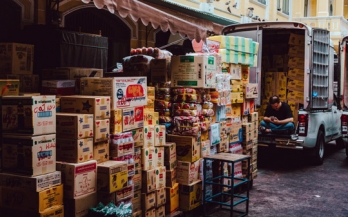
Informal food retail is a central informal sector activity with a particular defining role in urban food systems, and is critical to the food and nutrition security of urban society. Many families and individuals residing in cities, especially those on low incomes, depend on informal food retail as a source of nutritious food such as fresh fruits and vegetables. It also offers a livelihood and source of income for many workers.
- 08/10/2020
Eggs are a widely available and affordable source of protein, vitamins, and minerals that support growth and development, yet they are not frequently fed to children in Kaduna. The ‘Eggs Make Kids’ campaign was launched by GAIN on World Egg Day in October 2019. Using commercial marketing techniques and insights into consumer behaviour, it aims to create demand for eggs as a nutritious food for children aged six months to five years.
- 29/09/2020
Based on an external assessment, this working paper summarises PLAN’s work in Nigeria (N-PLAN) and Indonesia (I-PLAN), impacts to date, and key learnings. The assessment indicated that PLAN has helped create influential networks, allowing diverse stakeholders to work together to address common issues related to post-harvest loss.
- 20/09/2020
EatSafe conducted a systematic search and review process of 87 published studies on the perspectives and practices of consumers and vendors related to food safety in Nigeria.
- 14/09/2020
This global scoping review aims to understand which perception and practice interventions may be effective in changing consumer behaviour, knowledge, attitudes, beliefs and perceptions on food safety.