- 11/07/2022
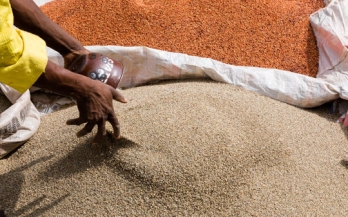
Micronutrient deficiencies are a public health challenge in Bangladesh. Many children, women, and vulnerable populations are not getting the nutrients they need for proper brain development, immunity, and physical and mental health. Together with diversified diets, large scale food fortification has the potential to make a significant impact on micronutrient deficiency in Bangladesh.
- 11/07/2022
Accelerated digitalization is one of the most significant growth engines for developing nations. With technology driving increased sales and profits globally, a digital quality assurance/quality control (QA/QC) system for food fortification in Bangladesh will open THREE paths to greater efficiency and enhanced financial performance for fortified food producers.
- 11/07/2022
Monitoring the quality of fortified foods has traditionally been a manual, time-consuming process, which relies primarily on sporadic testing once products have reached the market. A partnership of international specialists and experts is working with Bangladesh’s food producers to develop a platform of sensors and software, enabling oversight of the production process and product quality.
- 16/06/2022
Nigeria suffers from extreme levels of micronutrient deficiencies affecting the health, death rates, brain and physical development of the majority of Nigerians.To assess this existing evidence, and the remaining data gaps, this State of the Nation review provides a multi-sectoral analysis of all the available data from the last 10 years, from 2012 to 2021.
- 31/05/2022
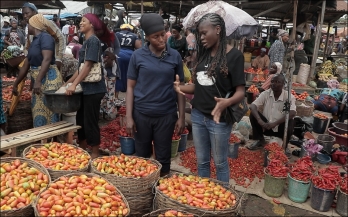
To understand knowledge, attitudes, and practices related to food safety behaviors, EatSafe surveyed nearly 1,000 consumers and vendors in Kebbi State, Nigeria, as well as structured observations of vendor behaviors.
- 09/03/2022
EatSafe conducted a review on published articles of foodborne hazards present in foods and beverages commonly bought and sold in traditional food markets in Ethiopia.
- 11/03/2022
With the support of the Bill and Melinda Gates Foundation, GAIN is leading implementation of a pilot programme to develop a digitized system to ensure staple foods are fortified with the right levels of essential vitamins and minerals to support good health and nutrition. The system will also track the fortified foods to ensure they are reaching Nigerian consumers efficiently.
- 09/03/2022
EatSafe evaluated the regulatory and policy landscape for food safety in Ethiopia at the national and regional levels, which included an assessment of existing regulations and resulted in recommendations for strengthening implementation.
- 07/03/2022
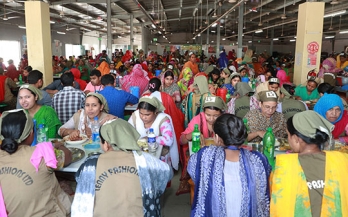
Over half the global population spends one third of their adult life at work, and a third of the global population also suffers from some form of malnutrition. This paper reviews prior research on gender issues in the workplace, with the objective of clarifying the implications of these norms for workplace nutrition programming in low- and middle-income countries.
- 24/02/2022
An estimated 2 billion people globally are affected by micronutrient deficiencies, while around one third of the global population is at risk of at least one micronutrient deficiency. Micronutrient deficiencies, also known as hidden hunger, can be linked to significant disease burden and economic loss.