- 18/06/2020
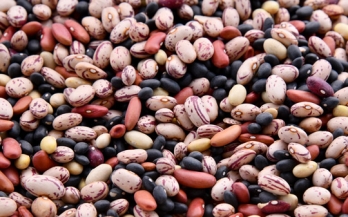
Biofortification of staple crops has the potential to increase nutrient intakes and improve health outcomes. Despite program data on the number of farming households reached with and growing biofortified crops, information on the coverage of biofortified foods in the general population is often lacking. Such information is needed to ascertain potential for impact and identify bottlenecks to parts of the impact pathway.
- 20/07/2020
In low-income countries, poor dietary diversity is driven in large part by the low availability and affordability of nutritious foods like fresh fruits and vegetables, dairy products and other animal sourced foods. In a recent assessment, GAIN determined that small-and medium-sized enterprises (SMEs), or small and mighty enterprises as GAIN likes to call them, produce, process or sell up to 70% of nutritious food sold in low-income markets in Africa.
- 09/07/2020
These manuals have been prepared for use by persons and organisations wishing to manufacture and supply complementary foods in different countries. The manuals have been specifically prepared for use in the countries of Ethiopia, Kenya, Mozambique and Rwanda and contain generic information that will be applicable irrespective of the country concerned but also contain specific information relating to the four aforementioned countries.
- 13/05/2020
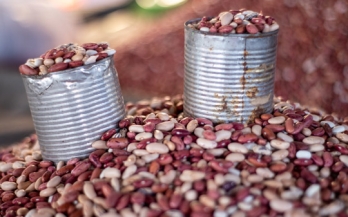
Information on the coverage and consumption of biofortified foods is critical to assess the performance and potential for impact of programmes. The objective of this study was to develop and test methods for assessing the coverage and consumption of biofortified foods and their contribution to nutrient intakes of children and women of reproductive age.
- 10/05/2020
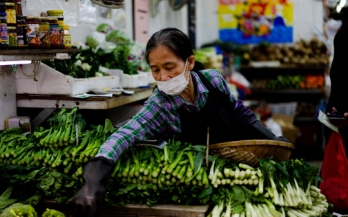
These document series summarise some rapid assessments undertaken by the Global Alliance for Improved Nutrition (GAIN) to understand early impacts of the COVID-19 coronavirus pandemic on food systems in a set of low- and middle-income countries where GAIN works (Bangladesh, India, Pakistan, Indonesia, Mozambique, Ethiopia, Kenya, Tanzania, Rwanda, and Nigeria).
- 09/10/2019
GAIN works on supply and demand, as well as on changing incentives, rules and regulations to encourage production and consumption of nutritious and safe foods. We seek to understand and tackle barriers faced by small enterprises working to boost availability, affordability, desirability, and convenience of nutritious foods like eggs, especially for people on low-incomes.
- 09/10/2019
This factsheet highlights the vastly different levels of egg supply seen across African regions, selected African countries, and selected high-income countries. It discusses why eggs remain scarce and expensive in many low-income settings, including across much of Western, Eastern, and Middle Africa.
- 01/11/2017
This report presents the results of that assessment and proposes a Consumption Monitoring and Surveillance Framework consisting of the various processes, phases, components, and domains that provide an enabling environment for this to happen.
- 01/12/2017
The following report provides a consolidation of the findings, their implications for the achievements of the Marketplace program to date, and a series of recommendations to strengthen the design and potential for impact of the Marketplace moving forward.
- 01/06/2016
This summary report presents outcomes from market research interviews conducted with consumers in Nyanza District on behalf of the Marketplace for Nutritious Foods, Rwanda from December 2015 to January 2016.