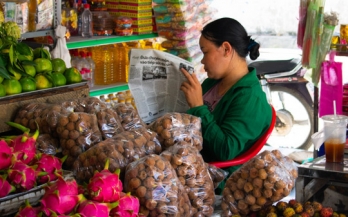
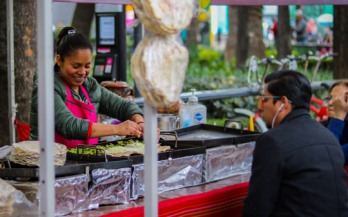
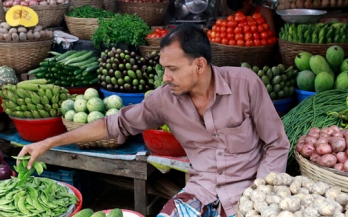
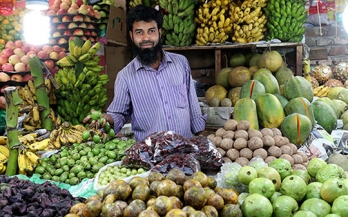
When we think about improving nutrition, our minds often jump to the dinner plate: the colourful vegetables, the lean proteins, the whole grains. We focus on consumer choices, dietary guidelines, and the individual responsibility to eat healthily. But what if the most critical decisions shaping our nutrition have already been made long before the food reaches our plate? What if the very food environments where we buy our food are the true starting point for a healthy diet?
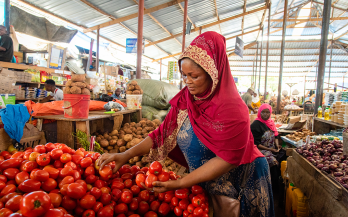
Local and traditional food retail markets are inherent in a city’s social fabric and the urban food environment. Millions of residents connect daily through food at local and traditional markets; and for many low income urban residents, this is their primary source of food.
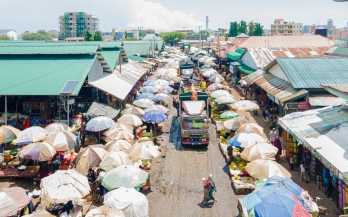
Thousands of tons of fresh, dried and on ice produce flow into these retail and wholesale-retail hybrid markets, bought by consumers directly and/or by food-outlets, restaurants, and last mile vendors.
As we prepare for the 2025 Global Forum (13 – 17 October) marking ten years of the Milan Urban Food Policy Pact, we're bringing insights from our work across Africa and Asia on how city governments and local food markets can transform urban food environments and wider food systems.
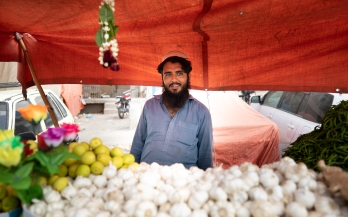
Walking through any bustling urban food market, from Pemba (Mozambique) to Arusha (Tanzania) and Bogor (Indonesia), is a remarkable experience. Beyond the offerings of fresh, dried, iced and frozen produce, spices, cooked traditional meals, and animated negotiations between vendors and customers, the experience of the market is at the nexus of food systems and nutrition policies and daily realities. These markets are about more than selling and buying food; they are where the future of food systems, within cities and across urban–rural landscapes, borders, and territories, is being lived, innovated, and imagined.
This year's World Food Safety Day, we celebrate the World Health Assembly’s recent agreement to adopt the WHO Global Strategy for Food Safety.
This month GAIN organised an event, in partnership with the Scaling Up Nutrition Movement (SUN) and the Global Health Centre at the Graduate Institute in Geneva, on urbanisation and nutrition. While there have been some voices calling for these two issues to come together, this has not really happened, although things now seem to be changing.
Has the food and nutrition policy community adapted to the new urban realities and, if not, how should they? This was the topic of the launch of the new IFPRI Global Food Policy Report on urbanisation, food security and nutrition.
In October, over 80 cities came together in Montpellier, France to review implementation of the Milan Urban Food Policy Pact (MUFPP). An increasing number of cities are signing the Pact (it has currently over 200 signatory cities), with 25 signing during the meeting.
Mayors and concerned urbanites gathered in Bonn last week at the 9th Global Forum on Urban Resilience and Adaptation. They spent a fair bit of the second day of their meeting talking about food systems. The big question: does the city of the future lead us inexorably towards unhealthy diets and unsustainable models of production and waste, or is there a better way?
GAIN hosted a panel discussion at the ICLEI World Congress on how to improve urban nutrition. The panel demonstrated that cities can improve the urban food system through a multitude of ways. The panel demonstrated that cities can improve the urban food system through a multitude of ways. Food policy is one important mechanism for this and is getting increasing attention.
The world is rapidly urbanising. By 2050, two thirds of the world population will live in urban areas. This has major consequences for peoples’ diets. Cities now face the double burden of malnutrition: micronutrient deficiencies and overnutrition (overweight and obesity).