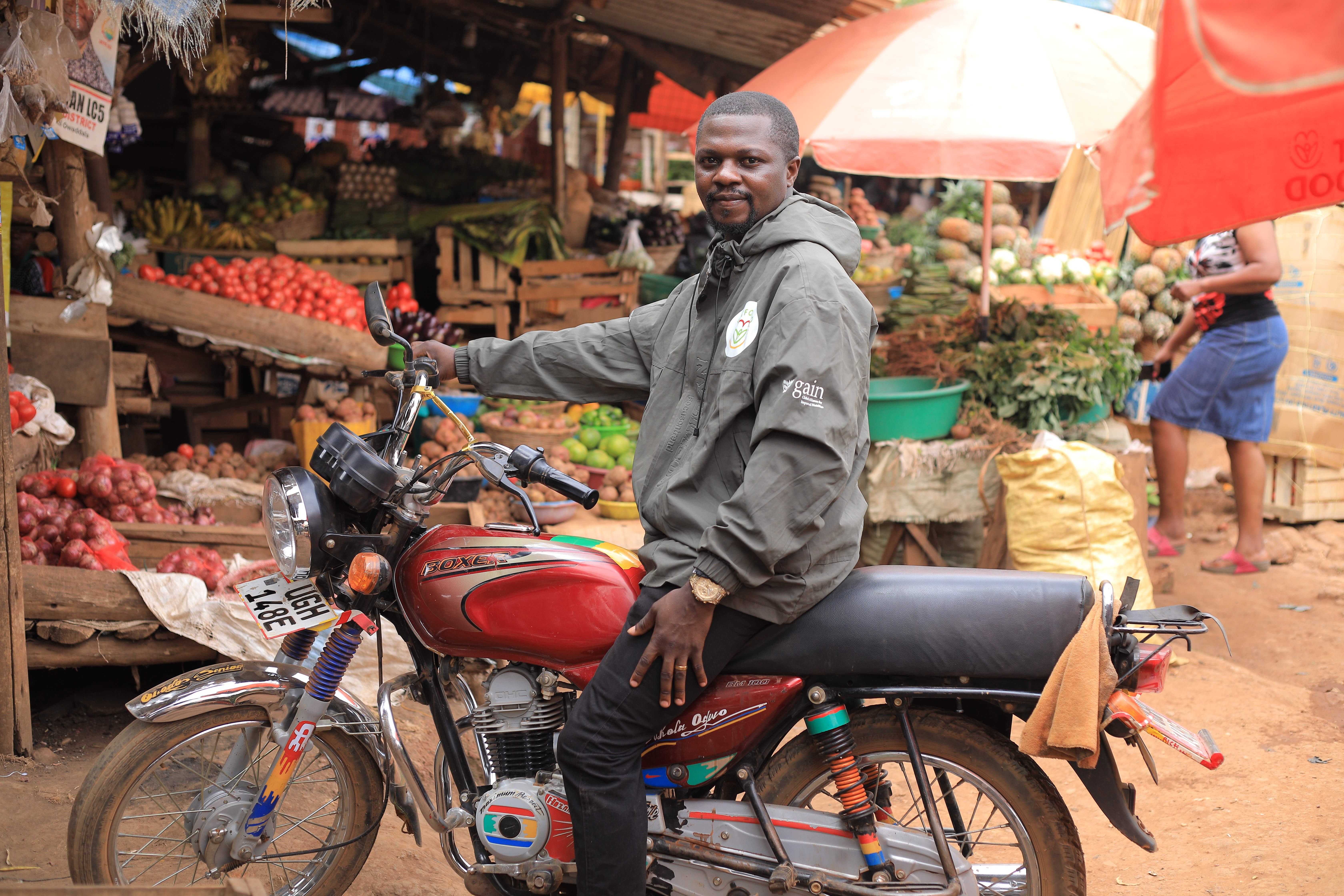
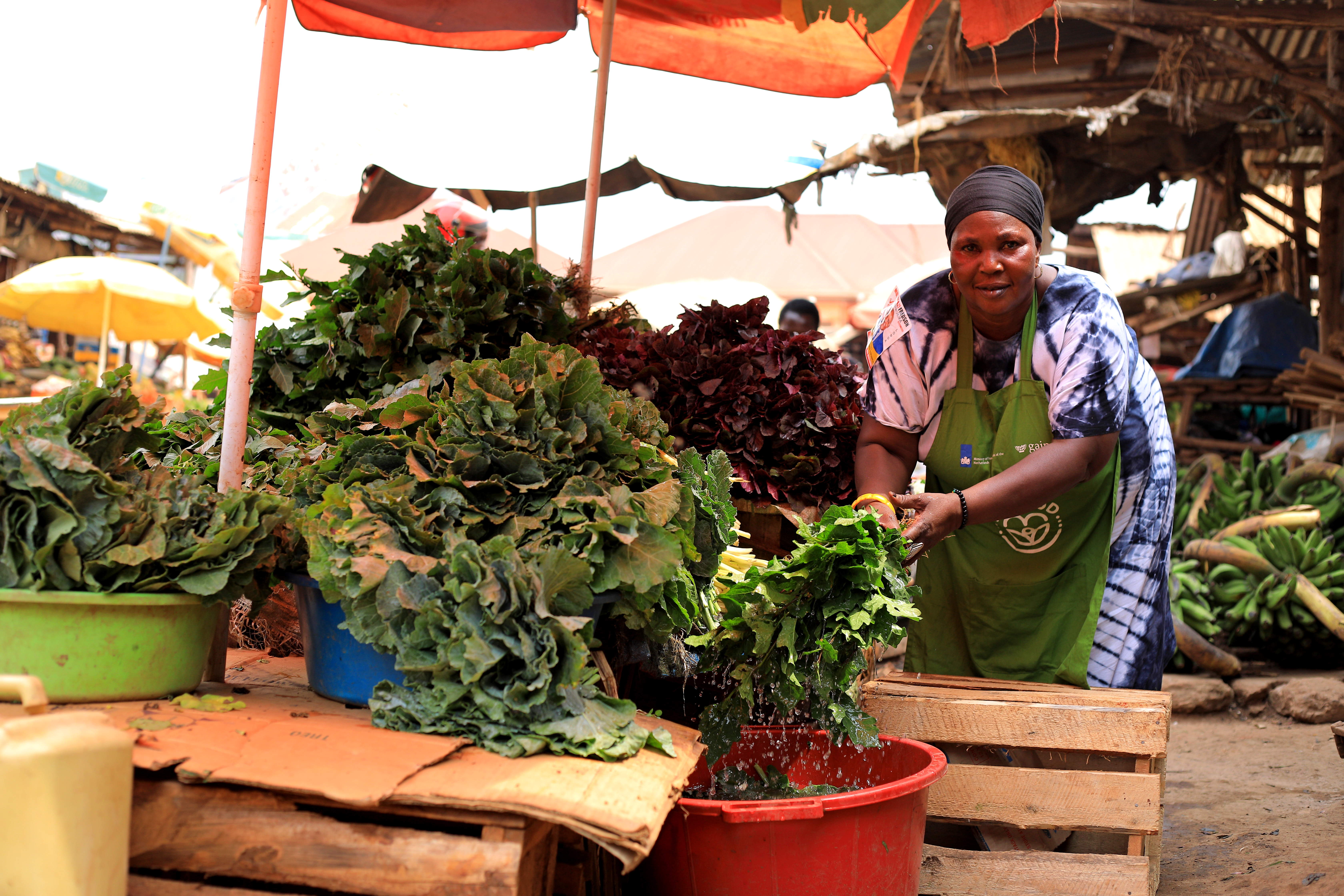
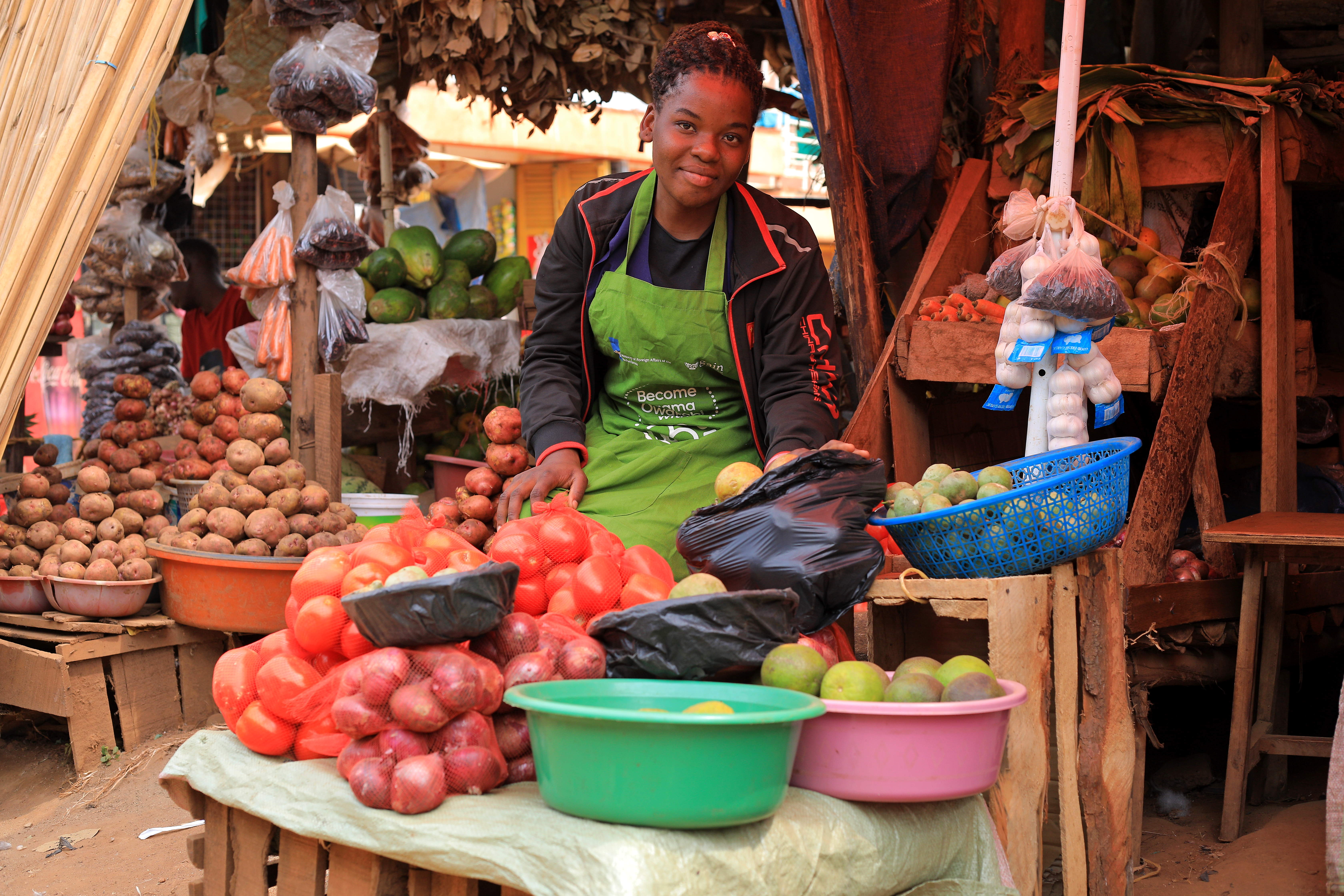
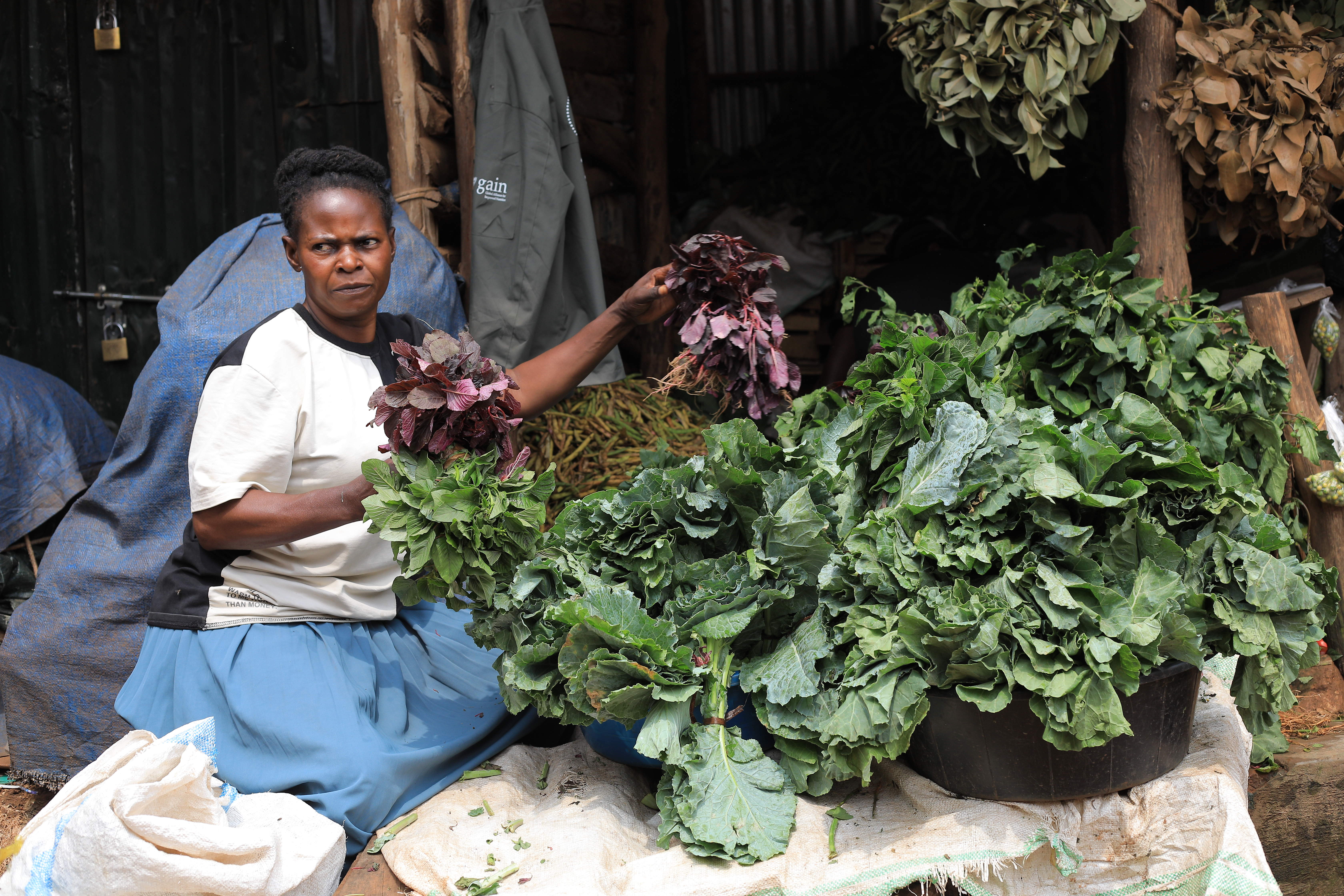
Many smallholder farmers grow nutritious vegetables but struggle to access markets where their produce can fetch fair prices. Vendors, on the other hand, rely on consistent supplies of high-quality produce to attract customers. Jamada fills that gap, ensuring that both sides benefit while also promoting better nutrition. “Being a supplier is more than delivering vegetables,” he says. “It’s about connecting farmers who work hard with vendors who want to sell quality food, and in the process, ensuring that families have safe and healthy vegetables on their plates.”
Over the years, Jamada has learned to read the land and understand the seasonal cycles of different crops. He can identify healthy, vibrant vegetables at a glance and knows which farms follow safer practices. This expertise has earned him the trust of both farmers and vendors, creating long-term relationships that make the supply chain more reliable and sustainable. His work also carries a financial impact.Being part of initiatives like GAIN’s Fit Foods project has expanded his network significantly. “The biggest benefit is the connections it has created,” Jamada says. “It has linked me to more vendors and farmers, which has helped my business grow. On a good day, I can make about Shs 1 million. That has improved my family’s livelihood and allowed me to invest in other areas, like education and household needs.” Yet the advantages of this work extend beyond money.
Through training programs, Jamada has gained knowledge in business management, food safety, and nutrition. “I have learned that it’s not just about selling vegetables,” he explains. “It’s about making sure people get food that is good for their health while running a professional and sustainable business.” These skills have not only improved his efficiency but have also elevated his status within the market. Vendors see him as a trusted advisor, and farmers view him as a reliable partner. Jamada’s influence on nutrition is subtle but significant.
By choosing fresh and safe produce, he ensures that the end consumer receives food that is both healthy and appealing. While many global nutrition campaigns focus on education for consumers, Jamada demonstrates the power of upstream interventions; those that improve the quality of food before it even reaches the kitchen. His work is also a story of resilience and dedication. Traveling between villages is physically demanding, and weather conditions are unpredictable. Yet Jamada approaches each day with purpose. “Every trip I make is an opportunity to improve diets and livelihoods,” he says. “I think about the families who will cook these vegetables, and that motivates me to choose the best every time.”
For Jamada, the market is more than a place to sell produce, it is a space for building community. Farmers, vendors, and customers all rely on him not only for vegetables but also for guidance and reassurance. His role illustrates how local actors in food systems can drive meaningful changes in nutrition, health, and economic development.
In a world where food systems are complex and often fragmented, people like Jamada Nduga are vital. His work reminds us that improving nutrition is not only about policy or campaigns, but also about the everyday choices of individuals who connect farmers to families, knowledge to practice, and food to health.
Through his expertise, dedication, and integrity, Jamada is quietly shaping healthier communities, one vegetable at a time.