
Genet Gebremedhin
Head of Policy and Advocacy, GAIN Ethiopia
A Shared Responsibility Across the Food System
Author | Genet Gebremedhin
Food is the foundation of life. It nourishes our bodies, connects communities, and reflects culture and tradition. Yet what we eat must be safe to fulfil its purpose of sustaining health and well-being. Food safety is the set of practices and conditions used to handle, prepare, store, and distribute food in a way that prevents contamination and reduces the risk of foodborne illness. In simple terms, it means making sure food is safe to eat at every stage from production to consumption.
A food safety hazard refers to any agent with the potential to cause adverse health consequences for consumers. Food safety hazards occur when food is exposed to hazardous agents which result in contamination of that food. Food hazards may be biological (such as bacteria, viruses, parasites), chemical (for example pesticides, cleaning agents, toxins), physical, (example glass, metal, plastic fragments).
Hazards may be introduced into the food supply any time during harvesting, formulation and processing, packaging and labelling, transportation, storage, preparation, and serving. Depending on the type of the food safety hazard; consumers may be harmed immediately at consumption, harmed over a long time or depending on the level of contamination and may have a long-term illness which could result in fatality.
“
Food safety is crucial because it directly impacts public health, affects nutrition and well-being, and can lead to serious economic losses when food is unsafe.
”
In 2015, the World Health Organization estimated that foodborne diseases (FBDs) caused 600 million illnesses and 420,000 premature deaths annually worldwide. The updated 2026 WHO estimates indicate that the global burden is substantially higher, with approximately 866 million illnesses and 1.52 million deaths attributable to unsafe food each year. Unsafe food has serious health, social, and economic consequences worldwide.
Unsafe food affects 1 in 9 people globally every year, leading to hundreds of millions of illnesses that are largely preventable.
Unsafe food has serious health consequences, including diarrhea, malnutrition, organ damage, weakened immunity, and even death, particularly among vulnerable groups such as young children, pregnant women, the elderly, and people with weakened immune systems. This burden is disproportionately borne by poorer consumers in lower-income countries, especially in Africa, where many people rely on informal markets with limited infrastructure and weak food safety measures.
Additionally unsafe food contaminated with bacteria, viruses, parasites, toxins, or chemicals can lead to foodborne illnesses. Ensuring food safety throughout the food system therefore supports public health and overall well-being of people.
Food safety is important for the economy as well because it reduces out of pocket expenditure on healthcare and supports productivity and trade. Strong food safety systems improve consumer confidence, enhance market access, and support sustainable economic growth and food security.
Every year on June 7, World Food Safety Day reminds us of the critical need for safe, nutritious food for all. The theme for World Food Safety Day 2026 is “From burden to solutions safe food everywhere” It emphasizes reducing the burden of foodborne diseases through collective responsibility and coordinated efforts across the entire food value chain.
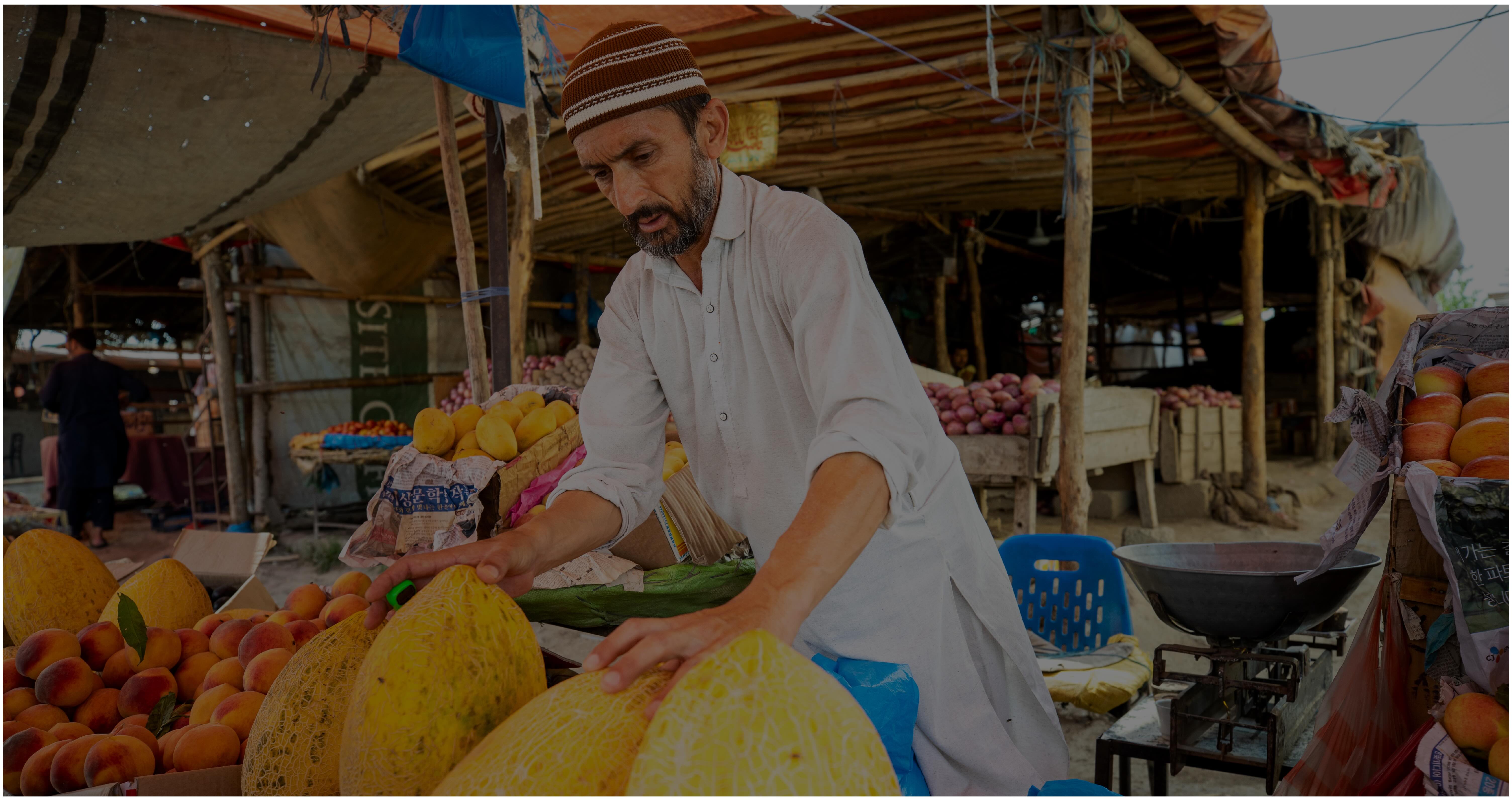
Food safety risks can occur at every stage of the food system. As we observe World Food Safety Day 2026, let us commit to prioritizing food safety across the entire food value chain.
Good Agricultural Practices (GAP) are farm-level practices that ensure food is produced safely by reducing biological, chemical, and physical risks. They include the safe use of inputs such as applying fertilizers and pesticides in the correct type, dose, and timing; following recommended pre-harvest intervals; using approved chemicals only; storing agrochemicals securely; and ensuring proper training for handlers. These practices help prevent harmful residues and contamination in food, protecting both consumers and the environment.
Raw materials from farms are transported to processing sites. During transportation, food safety is ensured by maintaining proper temperatures, using clean and covered food-grade containers, and keeping vehicles hygienic and pest-free. Raw and ready-to-eat foods should be separated, food protected from contamination, and handling kept hygienic to reduce spoilage and keep food safe for consumption.
Raw materials are converted in to finished ready to use products. At the processing level, food safety focuses on maintaining hygienic conditions and preventing contamination during handling, packaging, and storage. This includes clean facilities and equipment, proper personal hygiene, temperature control, prevention of cross-contamination, and application of systems like Good Manufacturing Practices (GMP) to ensure food is safe and fit for consumption.
At the storage stage, food safety focuses on maintaining appropriate conditions to prevent spoilage and contamination. This includes controlling temperature and humidity, separating raw and ready-to-eat foods, using clean, dry, and pest-free storage areas, applying proper stock rotation (first in, first out), and ensuring secure packaging and labelling. Good storage practices help preserve food quality and keep it safe for consumption.
At the market level, food safety involves maintaining clean and hygienic conditions during food handling and sale to prevent contamination. This includes protecting food from dust and pests, ensuring proper temperature control, separating raw and ready-to-eat foods, practicing good vendor hygiene, and maintaining clean water, sanitation, and waste management systems. This is especially important in traditional markets, where millions of people source their daily food and where strengthening food safety practices is essential to protecting public health.
At the consumer level, food safety focuses on proper food handling, preparation, and storage at home to prevent foodborne illness. This includes washing hands and food properly, cooking food thoroughly, separating raw and cooked foods to avoid cross-contamination, using safe water, and storing food at appropriate temperatures to maintain its safety and quality.
Safe food doesn’t happen by accident. It is achieved through the collective effort of all food safety actors across the entire value chain from farm to fork. Ensuring food safety everywhere is essential to protecting public health and building economy. Food safety must be guaranteed everywhere, including traditional markets where millions of people source their daily food. Let us all take action by strengthening food safety practices, supporting traditional markets, investing in hygiene and education, and working together to make safe food accessible for everyone, everywhere.
It is time to make food safety truly inclusive, covering every part of the food system from traditional markets and street vendors to small producers, transporters, and households. Traditional markets are the backbone of food distribution for millions. They must receive more attention, targeted investment, practical training, and appropriate infrastructure to ensure safe food for all.
Genet Gebremedhin.is a Food and Nutrition professional with over 25 years of experience across the private sector, public institutions, and international development.
Head of Policy and Advocacy, GAIN Ethiopia