- 18/08/2023
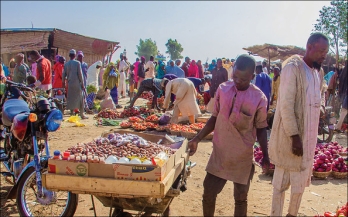
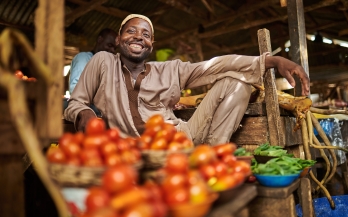
In this paper, EatSafe examines the process of “making a market” through a case study of vendors and consumers, using in-depth interviews, in Birnin Kebbi, Nigeria. Results demonstrate that market transactions are influenced by a complex interaction of vendors’ norms on competition and collaboration, consumers’ needs for credit amid unpredictable prices and restrictive gender norms, and a “moral economy” that appears to guide market actors’ behavior.
- 14/06/2023
EatSafe interviewed producers, processors, transporters, storage providers, and wholesalers of six food commodities to understand perceptions and actions related to food safety hazards across Nigerian food supply chains.
- 21/06/2023
The Commercialisation for Biofortified Crops (CBC) project was launched by GAIN and HarvestPlus in 2020 with an overall goal to reach at least 167 million consumers with nutrient-dense biofortified foods (previously piloted by HarvestPlus) by 2022 in six countries in Africa (Nigeria, Kenya, and Tanzania) and Asia (India, Bangladesh, and Pakistan), through commercial pathways.
- 21/06/2022
This paper, published in Advances in Nutrition & Food Science, explores the moisture adsorption behavior of dried tomato slices purchased from a food market in Abeokuta, Ogun State, Nigeria.
- 10/08/2022
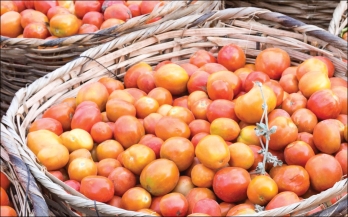
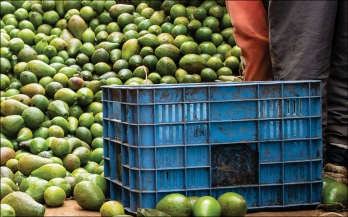
In Nigeria, packaging of fresh fruits and vegetables especially tomatoes is mostly done using traditional woven baskets from palm fronds. This study assessed the potential impact of replacing these woven baskets with plastic crates.
Sometimes in our workplaces, we disagree with colleagues or a co-worker, and we feel hurt or angry about the situation. Rather than reacting irresponsibly, taking the time to pause, review and reflect on the situation can help us gain more clarity and perspective.
- 15/12/2021
EatSafe collected samples of seven nutritious commodities to assess the relative exposure and risk of foodborne illness from consuming products commonly sold in traditional food markets in northwestern Nigeria.
Read our ninth story in the series on The Food Crisis: What's Happening, a collection of work on the current events and the impact communities are seeing on a global scale. The Food Crisis is affecting everyone socially, economically and nutritionally. Michael Ojo and Joyce Akpata discuss newly published dire statistics on Nigeria's poverty index, and how urgent action is needed.
- 09/01/2023
As elaborated in a GAIN evidence brief, poor-quality diets and insufficient food quantity are linked to reduced work capacity. This suggests that the malnutrition burden can be partly addressed through a win-win-win approach which improves individual lives, business outcomes, and national economies.