The Commercialisation of Biofortified Crops (CBC) Programme was launched in 2019 to address widespread hidden hunger in Africa and Asia by significantly expanding the reach of foods and food products made with biofortified staple crops.
Healthy Diets for Tea Communities is a coalition led by the Global Alliance for Improved Nutrition (GAIN) and the Ethical Tea Partnership (ETP), with funding from with eight leading tea companies to address poor nutrition in tea supply chains in Assam (India), Kenya, and Malawi.
The COVID-19 global health crisis has been a time to reflect on things we truly cherish and our most basic needs. These uncertain times have made many of us rekindle our appreciation for a thing that some take for granted and many go without: food.
The National Nutrition Symposium is coming at a time when the country is facing the challenges of COVID-19 pandemic and hence the symposium will be held virtually. The symposium will provide an opportunity to dialogue on the role of nutrition in COVID 19 management and modalities for enhancing dissemination of nutrition information.
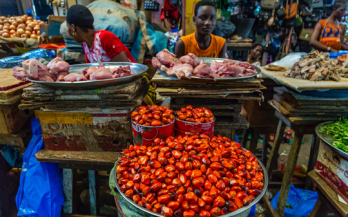
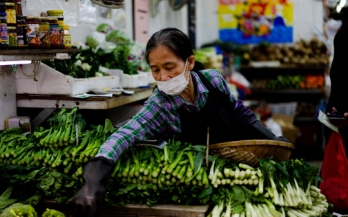
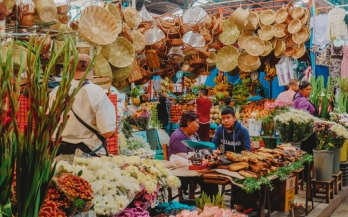
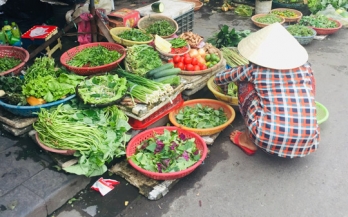
In low-income countries, poor dietary diversity is driven in large part by the low availability and affordability of nutritious foods like fresh fruits and vegetables, dairy products and other animal sourced foods. In a recent assessment, GAIN determined that small-and medium-sized enterprises (SMEs), or small and mighty enterprises as GAIN likes to call them, produce, process or sell up to 70% of nutritious food sold in low-income markets in Africa.
These manuals have been prepared for use by persons and organisations wishing to manufacture and supply complementary foods in different countries. The manuals have been specifically prepared for use in the countries of Ethiopia, Kenya, Mozambique and Rwanda and contain generic information that will be applicable irrespective of the country concerned but also contain specific information relating to the four aforementioned countries.
These document series summarise some rapid assessments undertaken by the Global Alliance for Improved Nutrition (GAIN) to understand early impacts of the COVID-19 coronavirus pandemic on food systems in a set of low- and middle-income countries where GAIN works (Bangladesh, India, Pakistan, Indonesia, Mozambique, Ethiopia, Kenya, Tanzania, Rwanda, and Nigeria).
These document series summarise some rapid assessments undertaken by the Global Alliance for Improved Nutrition (GAIN) to understand early impacts of the COVID-19 coronavirus pandemic on food systems in a set of low- and middle-income countries where GAIN works (Bangladesh, India, Pakistan, Indonesia, Mozambique, Ethiopia, Kenya, Tanzania, Rwanda, and Nigeria).
These document series summarise some rapid assessments undertaken by the Global Alliance for Improved Nutrition (GAIN) to understand early impacts of the COVID-19 coronavirus pandemic on food systems in a set of low- and middle-income countries where GAIN works (Bangladesh, India, Pakistan, Indonesia, Mozambique, Ethiopia, Kenya, Tanzania, Rwanda, and Nigeria).
Fighting malnutrition in all its forms is one of the major challenges of the 21st century. Addressing it will require an agricultural transformation. Within Africa, this must include a focus on small and medium-size farms, which provide about 80% of total calories in sub-Saharan Africa, as well as other small actors along the value chain.