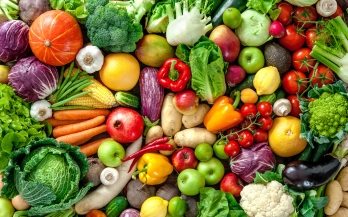
Healthy diets are at the heart of the goals of the UN Food Systems Summit. Yet the global expert community has not coalesced around a common definition of a healthy diet, and comprehensive guidelines to characterize them across contexts are debated. In this session we will explore challenges and gaps to characterizing and achieving healthy diets.
PRESS RELEASE: The Demand Generation Alliance (DGA) was launched this week at the SDG Tent. The DGA’s objective is to encourage pressure from consumers, and wider society, to demand the urgent shift to more sustainable and nutritious foods. The alliance has been established with a single vision: to make nutritious and sustainable food the preferred consumer choice.
On Monday 28 June, the Global Dialogue - Empowering Cities and Local Governments to improve food systems globally will be held. This Dialogue is co-convened by GAIN, the FAO, the Global Taskforce of Local and Regional Governments and the Food Systems Summit Secretariat. The event aims to promote significant actions and commitments towards sustainable urban food systems transformation, through the exchange of perspectives of local governments representatives and various urban food systems stakeholders.
Better Food Systems for Healthier Cities
EP 09
Cities play a crucial role in shaping food systems. Through the implementation of policies and…
BLOG: The impacts of the COVID-19 pandemic on Small and Medium Enterprises (SMEs) in the food system have been well captured over the last year. Before COVID-19, SMEs in low-and middle-income countries (LMICs) were already facing several challenges that limited their ability to grow and increase production of affordable nutritious foods. production, to knowledge and technical support to improve food safety and quality, and to networks to grow and share knowledge.
BLOG: Over the past eight months we—in our capacity as Action Track Chairs for the UN Food Systems Summit—have received well over 2,000 written submissions from around the world on how to transform food systems so that they can deliver access to safe and nutritious foods for all, in ways that deliver sustainable consumption, use approaches that are positive and regenerative for nature, generate livelihoods and decent work for those who depend on the food system, while promoting equity and building resilience for all.
Raising the alarm on COVID-19 and malnutrition
EP 08
We have witnessed much progress on reducing chronic hunger and malnutrition at global level over…
On 17 June 2021, 14:00-16:00 CEST, GAIN, the Netherlands Working Group on International Nutrition (NWGN) and JOGG (Healthy Youth, Healthy Future) are hosting an online independent UN Food Systems Summit (UNFSS) Dialogue: "Healthy cities, healthy children – a dialogue on lessons from Dutch cities’ systems approaches to prevent childhood obesity globally".
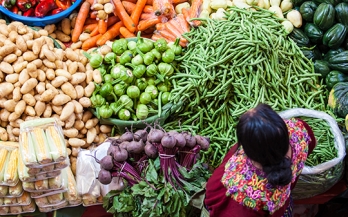
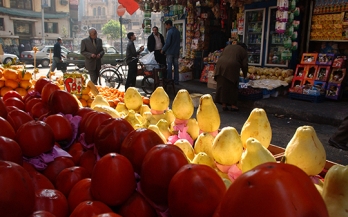
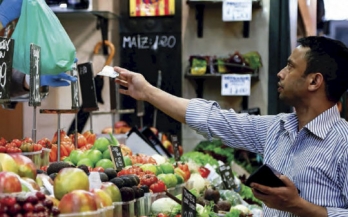
Food is traded both globally and locally. Yet even when consumers can purchase food from all over the world, local, "traditional" markets often provide the least expensive, freshest products with the shortest supply chains. And that is why local markets are ubiquitous and essential for feeding consumers of all types.
On Tuesday, June 8 join "COVID Recovery: Why investments in nutrition cannot wait", a session during the WHO Food Systems Summit Dialogues: Health Talks discussing the impact of the pandemic and the urgency to prioritize nutrition in COVID-19 recovery policy.