- 11/10/2022
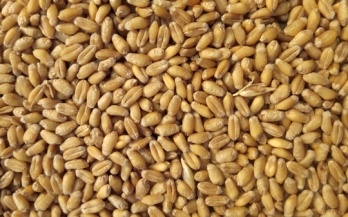
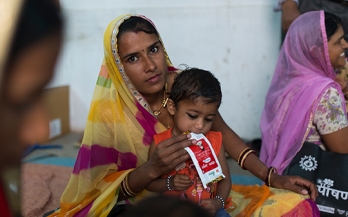
Today, more than 125 countries have mandatory food fortification programmes. Food fortification requires a "premix" – a mixture of vitamins and minerals – that can then be added to various staple products.
GAIN proudly congratulates the winning cities of the 2022 Milan Urban Food Policy Pact Awards. Executive Director, Lawrence Haddad was part of an international jury of experts who evaluated the urban food systems practices, submitted by cities, across six categories: Governance, Sustainable Diets and Nutrition, Social and Economic Equity, Food Production, Food Supply and Distribution and Food Waste.
Read our third story in the series on The Food Crisis: What's Happening, a collection of work on the current events and the impact communities are seeing on a global scale. The Food Crisis is affecting everyone socially, economically and nutritionally. Tarun Vij, our India Country Director discusses the wide reaching ripple effect India is experiencing and what actions need immediate attention.
Read our second story in the series on The Food Crisis: What's Happening, a collection of work on the current events and the impact we're seeing on a global scale. The Food Crisis is affecting everyone socially, economically and nutritionally. Mduduzi Mbuya and Saul Morris speak about the common threads connecting the threat to African food systems.
- 19/10/2022
Gallup, Harvard University, and the Global Alliance for Improved Nutrition teamed up to overcome this challenge by initiating the Global Diet Quality Project. Through this project we have created a new approach that enables countries to track diet quality year to year, seasonally, or even more frequently.
Gallup, Harvard University, and the Global Alliance for Improved Nutrition (GAIN) have today published a new report on diet quality entitled Measuring What the World Eats.It is the first report from the Global Diet Quality Project, with data based on the Diet Quality Questionnaire (DQQ), a standard questionnaire which takes just five minutes to complete.
- 19/10/2022
The Global Diet Quality Project offers a new approach that enables countries to track diet quality. The project’s Diet Quality Questionnaire (DQQ) allows users to investigate both diet adequacy and diet components that protect against or increase risk of noncommunicable diseases (NCDs)
CARE USA and the Global Alliance for Improved Nutrition (GAIN) announced today the signing of a memorandum of understanding, establishing a global partnership to improve access to affordable healthy diets.
Read our first in the series on The Food Crisis: What's Happening, a collection of work on the current events and the impact we're seeing on a global scale. The Food Crisis is affecting everyone socially, economically and nutritionally. Jamie Morrison speaks about what areas need more attention and what actions need to be taken now.
We at GAIN certainly believe data for food systems are important generally and for our own work and we invest in it. There are four recent reports that we have contributed to that I would like to draw your attention to.