
Future of Food Summit
- |Global
The Future of Food Summit brings together global leaders to explore how food systems can be transformed to deliver food security while balancing environmental sustainability and economic growth.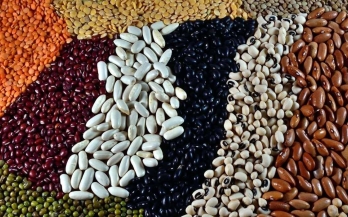
World Pulses Day 2026
- |Global
World Pulses Day highlights the role of pulses in improving nutrition, supporting sustainable food systems, and strengthening livelihoods. Pulses are a key component of affordable, nutrient-dense diets and play an important role in addressing malnutrition, including micronutrient deficiencies and non-communicable diseases (NCDs) Explore GAIN’s insights on food fortification, diet quality, and nutrition-sensitive food systems, and check back for related content marking World Pulses Day.
Supporting Evidence-Based Food Decisions in Programmes: GAIN’s New Screening Tool for Nutrition, Food Safety, and Sustainability
Food choices play a dual role in shaping both human health and environmental sustainability. At the individual level, diets that lack diversity, fall short of essential nutrients, contain excessive amounts of foods high in sugar, unhealthy fats, and salt, or fail to meet food safety standards, and can have serious negative consequences for health (Institute for Health Metrics and Evaluation, 2025; World Health Organization, n.d.). At the same time, the ways food is produced and consumed affect the environment, —contributing to land degradation, freshwater depletion, climate change, and biodiversity loss (Crippa et al., 2021; Tilman et al., 2017). These environmental impacts, in turn, influence which foods are available, accessible, and affordable, and can alter the nutrient density of crops (Beach et al., 2019; Smith & Myers, 2018), reinforcing this close connection between our food choices and the environment.
Latest Review Series reveals USD 11 Trillion Bill in Food System’s Hidden Costs, a Significant Underestimation
Latest Review Series reveals USD 11 Trillion Bill in Food System’s Hidden Costs, a Significant Underestimation • A partial USD 11 trillion bill: According to FAO’s latest estimates, food systems cost the world over USD 11 trillion per year in hidden health, socioeconomic, and environmental burdens – an amount larger than the GDP of most major economies. However, this figure likely represents a substantial underestimation of true costs and benefits as it does not capture all relevant negative and positive impacts. • Health costs are the largest contributor, but micronutrient malnutrition remains invisible: Diet-related diseases, premature mortality, and productivity losses from illness are the biggest drivers of these costs, yet we are still failing to measure the true price of micronutrient malnutrition. • The equity crisis: Existing research and data are heavily skewed toward high-income countries, leaving the severe burdens in low- and middle-income nations largely hidden.
Quantifying the Socio-Economic Impacts of Food: A Review of True Cost Accounting Methods
- 15/12/2025
Global food systems generate significant socio-economic impacts (or externalities) – both positive and negative – which greatly vary across geographic regions, supply chains, and production systems.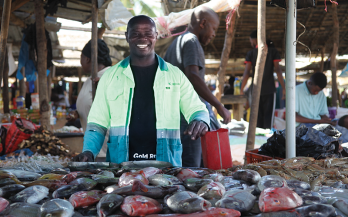
Belensesses Market — A Photo Story
In the heart of Nampula, an old market is shifting into something new and so are the lives within it. What began as an ordinary field visit became an unexpected turning point, captured through a lens that witnessed far more than change in bricks and sand. This photo story follows that quiet transformation: the people who have waited for it, the place that needed it, and the question that emerged and only later found its answer.
Harnessing AI to Transform the Fight Against Malnutrition
Billions of people worldwide are malnourished. Despite our best efforts, the cost of a healthy diet and food insecurity continue heading in the wrong direction. Without significant intervention, this crisis will persist—but we believe artificial intelligence (AI) represents a powerful new tool to help change that trajectory.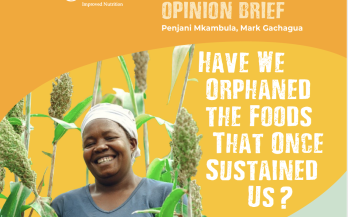
Have We Orphaned The Foods That Once Sustained Us
- 04/12/2025
Orphaned crops refer to a diverse group of foods, including cereals, legumes, vegetables, and fruits, that have been largely overlooked by mainstream agricultural research, breeding programs, and markets. Many orphan crops contain higher concentrations of vitamins, minerals, and protein than major cereals. In soci eties facing a double burden of undernutrition and rising diet-related diseases, orphaned crops provide a crucial bridge. They nourish without harming. Nutrition education in schools and public health programs can normalize the consumption of traditional foods, while media and culinary initiatives can make them fashionable. Changing perception is just as critical as changing production.
Quantifying The Environmental Impacts of Food A Review of True Cost Accounting Methods
- 28/11/2025
Global food systems face complex, multi-faceted challenges that greatly vary by context, and their environmental, health, and socio-economic impacts are equally diverse. A comprehensive understanding that integrates these disparate factors into unified, clear guidance is essential for decision-making, including policy measures and industry practices.