- 20/12/2022
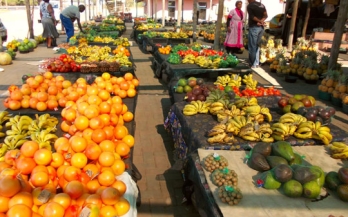
Diet quality in India is characterized by overall inadequate dietary diversity, despite high rates of consumption of vegetables, animal-source foods (mostly dairy), and whole grains. Action is needed to reduce reliance on starchy staples, to increase consumption of fruits, nuts and seeds in particular, and to moderate intakes of sweet foods and drinks, and packaged salty snacks.
- 09/11/2022
Climate change impacts and risks are becoming increasingly complex and more difficult to manage. Simultaneously, the world is facing the complex challenges of hunger and multiple forms of malnutrition.
- 03/11/2022
The global food system is experiencing the worst crisis in history. Unlike the food price crisis of 2007-8, in 2022 there is a convergence of multiple crises. Hunger and malnutrition have soared in the wake of the coronavirus pandemic (COVID-19).
- 26/10/2022
Malnutrition (hidden hunger) which means deficiencies of vitamins and minerals poses severe health and economic threat to Nigeria. It remains one of the leading causes of mortality among children under five and pregnant and nursing mothers in Nigeria.
- 02/05/2022
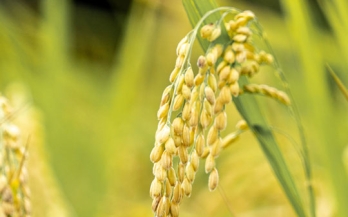
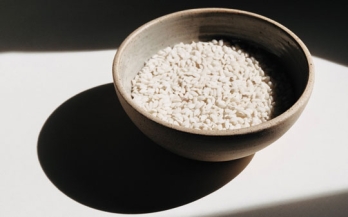
As part of critical knowledge generation to inform policy development and stakeholder alignment on the prospects for rice fortification in Nigeria, a detailed landscape analysis of Nigeria's rice sector was undertaken along with a technical feasibility assessment of the opportunities and viability of rice fortification in Nigeria.
- 19/10/2022
Gallup, Harvard University, and the Global Alliance for Improved Nutrition teamed up to overcome this challenge by initiating the Global Diet Quality Project. Through this project we have created a new approach that enables countries to track diet quality year to year, seasonally, or even more frequently.
- 19/10/2022
The Global Diet Quality Project offers a new approach that enables countries to track diet quality. The project’s Diet Quality Questionnaire (DQQ) allows users to investigate both diet adequacy and diet components that protect against or increase risk of noncommunicable diseases (NCDs)
- 11/10/2022
The Lancet Global Health article is the first evidence-based global estimation of micronutrient (vitamin and minerals) deficiencies that systematically analyzed data on population-representative surveys from preschool-aged children and women of reproductive age.
- 28/06/2022
Achieving optimal health and nutrition requires people to be both well-nourished and free from foodborne hazards. The Global Alliance for Improved Nutrition (GAIN) has long recognized the importance of integrating food safety to achieve global nutrition and food security goals.
- 08/06/2022
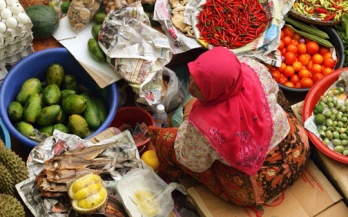
Adolescents in Indonesia face multiple nutritional challenges, including undernutrition and anaemia, as well as a growing prevalence of overweight and obesity. To promote understanding of the Healthier Choice Logo among adolescents as well as to learn more about adolescent food choices, GAIN supported a programme called Pelajar Peduli Gizi (Students for Nutrition).