- 08/01/2025
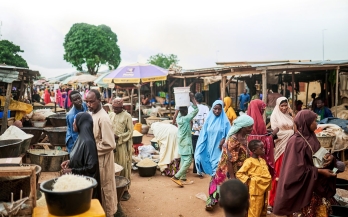
Traditional food markets in sub-Saharan Africa (SSA) are pivotal urban spaces, especially for vulnerable populations. These markets are vibrant hubs for commerce, cultural exchange, and social interaction, yet they face challenges such as food safety issues, inadequate infrastructure, and regulation that is a complex mix of informal mechanisms in need of a balanced degree of formalization. Rapid urbanization in SSA and the vulnerabilities of informal settlements underline their enduring importance. The COVID-19 pandemic further highlighted their crucial role in promoting food access, supporting local economies, and preserving social connections during crises. However, a comprehensive understanding of their multifaceted impact on urban life remains limited. This study provides a systematic narrative literature review with the aims of mapping the existing literature and evaluating their complex impact on vulnerable communities. The review employed a systematic search strategy, encompassing research studies and gray literature. It highlights the geographic distribution of studies across SSA, with a concentration in East and Southern Africa.
- 06/12/2024
In 2023 and 2024, one of the focus areas of discussions within the Netherlands Working Group on international Nutrition (NWGN) platform was the nexus between climate change and sustainable healthy diets with a focus on animal-sourced foods (ASFs), reflecting the protein transition discussion in the Netherlands, while realising that this transition to a more plant-based protein diet might not be appropriate for the contexts in Low Middle Income Countries (LMIC)s.
With this position paper the NWGN, and Clim-Eat (a think-and-do tank that aims to accelerate food systems transformation under climate change) aim to stimulate dialogue on the consumption of ASFs in LMICs within the Dutch government at large, within the ministries and embassies as well as among our members and partners. The aim is that these dialogues will translate into policies and programmes, diplomacy and facilitation and will enable partners in the Netherlands and LMICs to take a stand that addresses the nutritional needs of vulnerable people while also considering climate change.
- 03/01/2025
Key Messages
• A 2024 preliminary assessment of the National Policy on Food and Nutrition (2016-2025) found that about a third of its targets are roughly on track but that the policy needs to be updated to achieve its potential, and to take advantage of the opportunities provided through food systems transformation. • Since the Policy would be due for full review in 2025, there is ample opportunity to evolve it to the current context and thinking.
• Some key areas a new national food and nutrition policy must expand on include: legislative frameworks, more relevant conceptual frameworks, resilience, engagement with the education sector, expanded partnerships, private sector responsibilities, wins for climate and nutrition, shifting demand away from unhealthier to healthier foods, food safety, rethinking trade policy, promoting innovation and technology, and being more responsive to the needs of women.
- 20/12/2024
KEY MESSAGES Micronutrient deficiencies are widespread globally; recent studies revealed that 1 in 2 children and 2 in 3 women are deficient in at least one micronutrient
Fortifying staple foods with micronutrients is a costeffective and safe intervention that is proven to prevent micronutrient deficiencies and related outcomes
While food fortification programmes are widely implemented around the world, gaps remain. The availability and coverage of high-quality fortified foods are often low, even in countries with fortification mandates, and many countries that could benefit from fortification programmes do not have them.
Countries need support to implement best practices around appropriate programme design, effective monitoring of quality and compliance, and regular review of programme assumptions to ensure they remain safe and impactful over time.
National governments, industry, technical partners, and donors all have diverse roles to play in strengthening food fortification programmes and enhancing impact.
- 12/11/2024
Deficiencies in essential vitamins and minerals (micronutrients) cause devastating damage, particularly for children and women of reproductive age, resulting in increased risks of death, disabilities, more severe and longer-lasting illness, and compromised cognitive and physical development and performance and productivity of people and countries.
- 07/11/2024
A diverse diet is important for health and well-being, contributing to lower malnutrition, including micronutrient deficiency diseases (hidden hunger), as well as underweight, overweight, and associated ill health like low immune system function and non-communicable diseases. It is highlighted under Rwanda’s draft Strategic Plan for Agricultural Transformation (PSTA-5) (2024 to 2030).
- 22/10/2024
The Initiative on Climate Action and Nutrition (I-CAN) presents a new report that analyses the intersection of biodiversity and nutrition, "Biodiversity and Nutrition Synergies: Evaluating National Biodiversity Strategies and Actions Plans for Integration." The report offers a comprehensive analysis of 192 National Biodiversity Strategies and Action Plans (NBSAPs), revealing the current state of nutrition integration in biodiversity policies worldwide.
- 06/11/2024
ToeffectivelytransformMozambique’snationalfoodsystemsinalignmentwiththeUnited Nations Food Systems Summit pathways, it is crucial to have access to current data and analytics. Mozambique’s Food Systems Dashboard, hosted by SETSAN1 (the National Secretariat for Food and Nutrition Security under the Ministry of Agriculture), plays a pivotal role in this transformation.
- 01/11/2024
Food systems have the potential to drive inclusive growth, prosperity, nutrition, and health, or, if poorly managed, they can deepen inequalities and exacerbate poverty, malnutrition, and other poor outcomes. Data plays a crucial role in building food systems that drive positive development outcomes by providing the foundation for informed decision-making, effective policy formulation, targeted interventions, and stakeholder engagement and collaboration.
- 28/10/2024
Indonesia is confronting a pressing public health challenge that extends beyond diet: the impact of non- communicable diseases (NCDs) driven by lifestyle factors, including high sodium intake. This issue
is particularly concerning as many NCDs, such
as hypertension and cardiovascular disease, are preventable yet contribute significantly to the country’s morbidity and mortality rates. For instance, Indonesia’s stroke burden remains substantial, with a Disability- Adjusted Life Years (DALYs) rate of 3,809 per 100,000 people in 2021,1 one of the highest in Southeast Asia, reflecting the urgent need for targeted public health interventions.