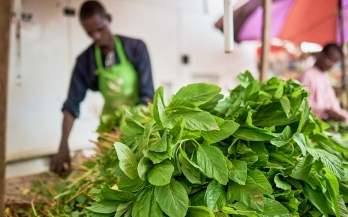
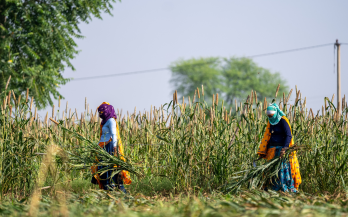
The Vision for Adapted Crops and Soils (VACS) relies on a cross-cutting ecosystem of research, policy, production, and demand working together to drive the adoption and consumption of 'opportunity crops'
Using OpenAI LLM (GPT-4o) and embedding models, GAIN developed a Retrieval-Augmented Generation (RAG)-based chatbot and connected it to a database of 28 publicly accessible food and nutrition policy documents from Bangladesh.
This Human Rights Day, our panel will bring together experts from GAIN, SUN, ILO, and WHO to discuss the critical issue of nutrition integration in global labour standards. The panel is based on a comprehensive report that analysed the current state of nutrition considerations in international instruments, national legislation, and workplace practicesThis Human Rights Day, a live interview panel will bring together experts from GAIN, SUN, ILO, and WHO to discuss the critical issue of nutrition integration in global labour standards. The panel is based on a comprehensive report that analysed the current state of nutrition considerations in international instruments, national legislation, and workplace practices
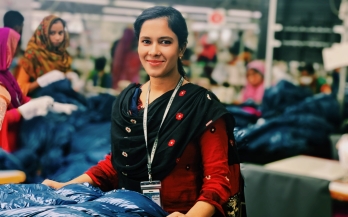
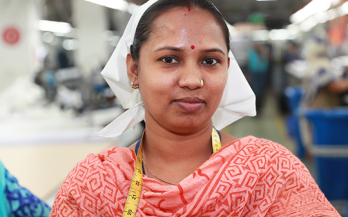
This report presents objective findings on the current levels of nutrition integration in international instruments and guidelines, and national legislations, regulations and procedures. Nutrition is only integrated in a few examples. Many laws, instruments and codes were developed before worker malnutrition was as prominent an issue and before newer scientific evidence emerged linking worker performance to improved nutrition. This new context, married with the evidence in this report, highlights the enormous opportunity presented to future labour standard setting for employees and employers.
Climate change is a threat to the sustainability of global and national food systems. Unsustainable food systems cannot ensure food and nutrition security or healthy eating patterns. Climate change is already altering agricultural production, food processing, distribution, and conSumption. Its impacts disrupt food supply, limiting people’s access to the diverse, safe, and nutritious foods that make up high-quality diets.
GAIN Indonesia was at the forefront of Green Economy Expo held by The National Development Planning Agency (BAPPENAS) on July 3-5 in Jakarta. This year’s theme was “Advancing Technology, Innovation, and Circularity”. The event brought to the forefront discussions on sustainable development and the implementation of circular economy principles throughout Indonesia.
Environmental factors impact human health and nutrition through various pathways, and these impacts can be felt disproportionately by already vulnerable groups like women and children.
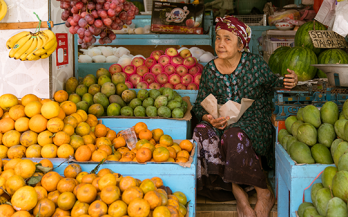
Reducing foodborne disease in low- and middle-income countries (LMICs) is crucial for advancing nutrition, health, and other development goals. The U.S. Agency for International Development (USAID)/Feed the Future’s Evidence and Action Towards Safe, Nutritious Food (EatSafe) program sought to harness consumer demand as a mechanism to improve food safety practices and generate evidence on how to raise consumer demand for safe, nutritious foods in traditional market settings—the main source of food for most LMIC consumers.
As countries develop their National Pathways for food systems transformation, one emerging need is to
ensure policies land at different levels. A truly effective ‘national’ policy must span all sub-national areas.
In this Interview Cruncher, we'll address the specific challenges faced by women and girls within food systems, exploring how these imbalances contribute to health inequities and malnutrition risks. We'll examine the urgency of addressing these issues in light of missed SDG targets and the role of human rights in fostering equality.