
Building Bridges for Food Systems Transformation: Why Policy Coherence Matters
Four years after the landmark 2021 United Nations Food Systems Summit (UNFSS), the urgency of transforming food systems is growing. With just five years left until the 2030 Sustainable Development Goals (SDGs) deadline, momentum is growing, but so are the challenges. The UNFSS+4 Stocktake, held in July 2025, reflects a remarkable evolution in how countries and partners are reimagining food systems to be more inclusive, sustainable, and resilient. Since the first Stocktake (UNFSS+2), countries have moved from vision to action: 128 nations now have national food systems pathways, 155 have appointed National Convenors, and 39 have revised their pathways into detailed action plans. Voluntary reporting has increased, signalling strong political commitment.
Is Nutrition a missing piece of employee wellbeing frameworks?
- 20/08/2025
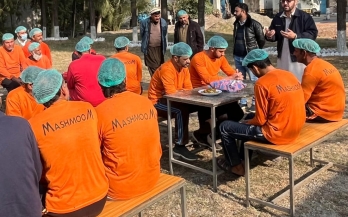
The global burden of malnutrition, poor mental health, depression, and noncommunicable diseases (NCDs) continues to grow, contributing significantly to mortality and poor health, reduced productivity, and economic stagnation. With over 60% of the population engaged in the workforce and spending more than half of their adult lives at work, the workplace offers a strategic platform to address these challenges. One important aspect of worker wellbeing is nutrition, which fuels the body, improves cognitive and immune function, and reduces sick days and NCD risk.
GAIN Briefing Paper n°15: Is Nutrition a Missing Piece of Employee Wellbeing Frameworks?
- 19/08/2025
The global burden of malnutrition, poor mental health, depression, and non-communicable diseases (NCDs) continues to grow, contributing significantly to mortality and poor health, reduced productivity, and economic stagnation. With over 60% of the population engaged in the workforce and spending more than half of their adult lives at work, the workplace offers a strategic platform to address these challenges. One important aspect of worker wellbeing is nutrition, which fuels the body, improves cognitive and immune function, and reduces sick days and NCD risk.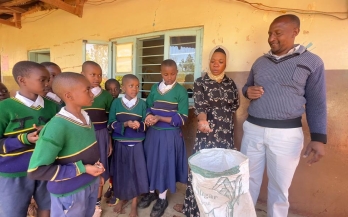
High Iron Beans and Hidden Hunger: An Interview with Prisca Kokutona Rwezahura, Country Director of GAIN Tanzania
GAIN Tanzania is at the forefront of efforts to tackle micronutrient deficiencies through biofortification, an approach that enhances the nutritional content of staple crops. One of its most impactful initiatives has focused on high iron beans (HIB), a locally accepted, nutrient-rich variety introduced through partnerships with schools and farming communities. By connecting farmers to institutional markets and supporting local seed systems, GAIN is creating a sustainable, scalable model for improving diets and livelihoods. In this interview, Prisca Kokutona Rwezahura, Country Director -GAIN Tanzania, reflects on this journey- sharing insights into policy, partnerships, and what’s next for biofortification in the country.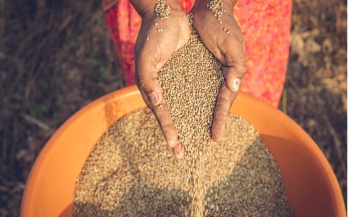
GAIN Convening Paper n°21: Identifying Indicator Needs For Food System Transformation in South And Southeast Asia
- 12/08/2025
Clear measures of progress on food system transformation can provide decision-makers with the visibility to course-correct to realise desired impacts and can help ensure accountability. To this end, there is a need to develop, test, and validate novel methods and metrics for assessing food systems transformation. To ensure that such work is grounded in local food system stakeholders’ needs, GAIN consulted national stakeholders across four Asian countries (Bangladesh, India, Indonesia, and Pakistan) to identify priority indicator gaps for monitoring food systems transformation. These consultations drew from an analysis of each country’s food system transformation pathway, existing indicators, and the results from similar stakeholder workshops in Africa. National stakeholder workshops were held with diverse participants in three of the countries, while stakeholder interviews were used in India. Across all countries, some similar themes emerged, such as sustainable and climate-smart agriculture, small and medium-sized enterprises, food safety and quality, consumption behaviour, policy alignment, and food system governance. There was a strong focus on policy actions, sustainability, and resilience as crosscutting themes. Women and youth were mentioned as groups requiring particular attention in metrics development, including the wage disparities between men and women, inclusion of women and youth in decision-making process, and youth access to finance and agri-business. The results from the workshops will be used to inform GAIN’s future work in developing metrics and methods to understand and help countries track their food systems transformation.
23rd International Congress of Nutrition of IUNS
- Global
The French Society of Nutrition (SFN), the French Federation of Nutrition (FFN), the Federation of European Nutrition Societies (FENS), and the International Union of Nutritional Sciences (IUNS)—and under the high patronage of Mr. Emmanuel Macron, President of the French Republic—is holding the 23rd International Congress of Nutrition, between 24 and 29 August 2025 at the Palais des Congrès, Pris, France.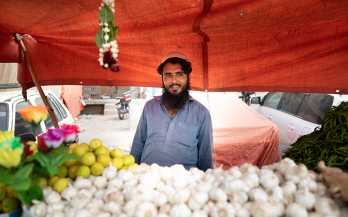
Just Launched: The Food Systems Accelerator
GAIN is proud to join FAO and the UN Food System Coordination Hub to launch the Food Systems Transformation Accelerator during the side event "Food Systems Transformation: How and Why", held on July 29. The session featured opening remarks by UN Deputy Secretary-General Amina J. Mohammed, strong ministerial engagement, and the support of key partners including the World Bank, IFAD and SUN.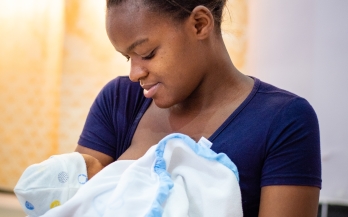
Promoting Breastfeeding for Healthy Planet
Breastfeeding not only contributes to positive nutrition and health outcomes, but also to environmental sustainability by significantly reducing the environmental footprint associated with the production, packaging, distribution and consumption of infant formula. The environmental benefits of breastfeeding are multi-faceted.