
GAIN Student Challenge 2018
- Arnhem, The Netherlands
On 28 and 29 September 2018, the Global Alliance for Improved Nutrition (GAIN) will launch its first student challenge in collaboration with different Dutch higher educational institutions.- Arnhem, The Netherlands
On 28 and 29 September 2018, the Global Alliance for Improved Nutrition (GAIN) will launch its first student challenge in collaboration with different Dutch higher educational institutions.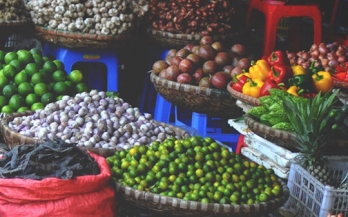
- Vatican City, Italy
The workshop will discuss the evidence on related key themes: the most common food safety challenges prevalent throughout supply chains; post harvest food loss and waste; and the double burden.
- Wageningen, The Netherlands
The conference Towards Zero Hunger brings together key stakeholders to discuss their views and contributions for achieving the SDGs, and to take action towards reaching the targets and partnerships.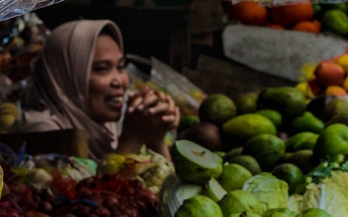
London, United Kingdom
The Centre for Food Policy’s Food Thinkers series aims to advance the thinking and practice of integrated approaches to food policy.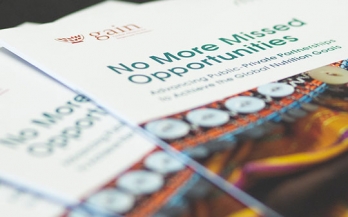
Geneva, Global
On Tuesday, 19th June 2018, GAIN and the USCIB Foundation – the educational arm of the United States Council for International Business launched a new joint report.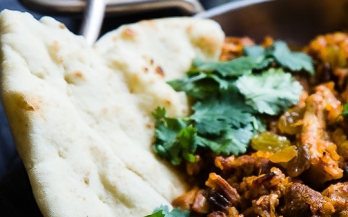
Stockholm, Sweden
More than 600 of the brightest minds from science, politics, business and civil society from over 50 countries will gather at the fifth EAT Stockholm Food Forum.
Geneva, Switzerland
This session will focus on key challenges and opportunities of extending policy actions across the entire food system that can accelerate transformative private sector solutions that improve the availability and desirability of healthy diets.
Rome, Italy
The Food and Agriculture Organization of the United Nations and the Global Panel on Agriculture and Food Systems for Nutrition launched the policy brief: “Improving diets in an era of food market transformation: Challenges & opportunities for engagement between the public and private sectors”.
Washington, D.C, United States
FAO Liaison Office for North America and the Global Alliance for Improved Nutrition (GAIN) to host a roundtable discussion on, “Transforming Food Systems to Support Nutritious Diets” on Tuesday, April 17th 2018.
Brussels, Belgium
Since its launch in 2008, the FFA has become the key Brussels event on agriculture and the environment. It provides a unique platform for ideas and discussion on a range of issues from policy reform to innovative practices in the field.