A Recipe for Impact? Using End-User Surveys to Understand the Impact of Nutrition-focused Investment
Investing in companies that support nutritious food value chains could be a triple win for farmers’ livelihoods, their nutrition, and that of the end consumers of their products – but how do we know it actually works? Over the past few months, the Nutritious Foods Financing Facility (N3F) has been working with our first few investees and the leading impact-measurement specialist 60 Decibels to try and find out.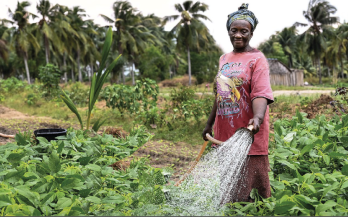
Rwanda Is Embracing A Food Systems Approach To Improved Prosperity
- 11/09/2025
While Rwanda has made notable progress in recent decades on areas linked to improved prosperity such as growth in agricultural production and poverty reduction,rates of malnutrition remain a public health concern, particularly among vulnerable groups like young children.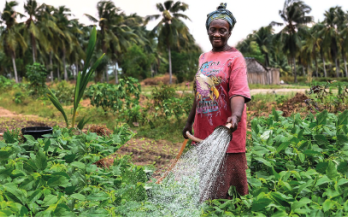
I-CAN Playbook: Integrating Nutrition into Nationally Determined Contributions (NDCs)
- 09/09/2025
I-CAN presents a new playbook offering step-by-step guidance to embedding nutrition-sensitive ambition and action into nationally determined contributions (NDCs). Drawing on I-CAN experience support climate-nutrition integration in different countries, it highlights practical entry points, resources, and provides policy examples to create nutrition–climate win-wins across food systems, health, agriculture, and social protection. By aligning nutrition with climate goals, countries can strengthen food and health systems, advance progress on the SDGs, and pursue the Paris Agreement 1.5 °C target.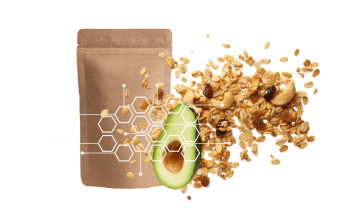
Improving affordability of nutritious foods through packaging innovations
Food packaging is ubiquitous in the modern world but also easily forgettable: once we’ve dumped the crackers out of their bag and into our hand, or scraped the last of the yoghurt out of the bottom of its plastic pot, we usually toss the packaging into the bin without a second thought.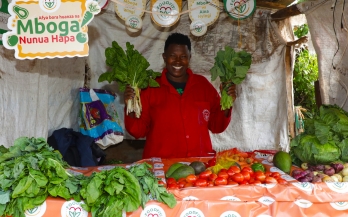
Vegetables for Health and Prosperity: Mary Wamuyu’s Journey to Nourish Her Community
Mary Wamuyu Gathemia, a 41-year-old mother of two, runs a vibrant vegetable stall in Muthumi Village, Muguga Ward, Kabete Sub-County, Kiambu County. For years, Mary operated a small general shop selling household items and a few groceries. However, her shop struggled to break even, and she was on the verge of closing it to focus on being a housewife.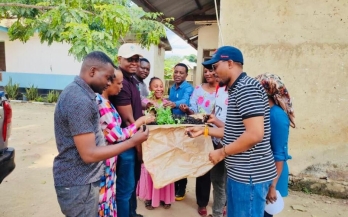
GAIN in Action for Youth: Building Tanzania’s Food Systems and Futures through Entrepreneurship
In Tanzania, nearly 70% of the population is under 30 - a generation full of energy and potential. Yet, for many young people, finding meaningful work isn’t easy. Agri-food jobs could offer huge opportunities, but the section is often seen as outdated and unappealing to youth. The Global Alliance for Improved Nutrition (GAIN) funded by the Master Card Foundation through AGRA is working to shift this narrative through the Youth Entrepreneurship for the Future of Food and Agriculture (YEFFA) initiative, supporting young Tanzanians to find jobs and turn the sector into a vibrant space for innovation.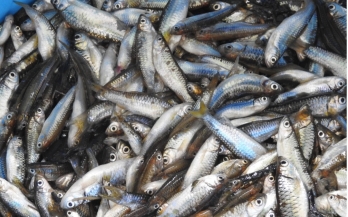
Advancing small fish production in Indonesia: Increasing protein and reduce waste
Back then, a lot of bilih were caught by fishermen, then cleaned by women, sometimes even children joined in to earn a bit of extra pocket money before being sold to buyers. But now, it is different’ Prof. Hafrjial Syandri, Bung Hatta University.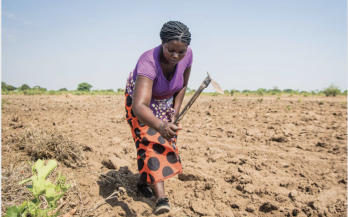
Food Systems Countdown Initiative Country Policy Brief Zambia
- 29/08/2025
Zambia has demonstrated strong political commitment to food systems transformation while grappling with persistent systemic vulnerabilities that threaten progress toward sustainable food and nutrition security. As a landlocked country in southern Africa with a population largely dependent on climatesensitive smallholder agriculture, Zambia faces the urgent imperative to build resilience while addressing deep-rooted challenges of malnutrition, poverty, and environmental degradation.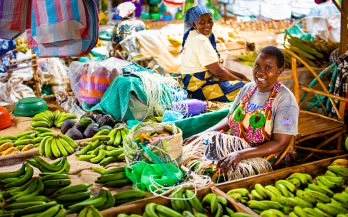
Food Systems Countdown Initiative Country-Level Monitoring
- 28/08/2025
The Countdown then undertook a consultative process to select a set of 50 indicators across these themes, which constitutes the global indicator framework. The Countdown publishes annual monitoring updates and additional analysis to support the transformation of food systems so they become equitable, sustainable, and resilient and positively contribute to achieving the 2030 SDGs and other global goals.