This report presents objective findings on the current levels of nutrition integration in international instruments and guidelines, and national legislations, regulations and procedures. Nutrition is only integrated in a few examples. Many laws, instruments and codes were developed before worker malnutrition was as prominent an issue and before newer scientific evidence emerged linking worker performance to improved nutrition. This new context, married with the evidence in this report, highlights the enormous opportunity presented to future labour standard setting for employees and employers.
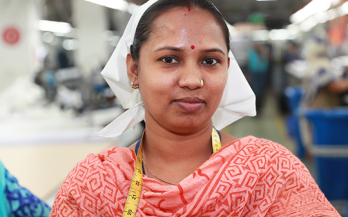
Drawing on GAIN’s evidence-based four pillar framework for effective workforce nutrition programmes and prior experience in India's tea sector, a workforce nutrition programme was proposed, designed and implemented for tea estate workers and their families on 12 tea estates throughout the country. The programme was implemented between February 2021 and March 2023 in collaboration with the Ethical Tea Partnership
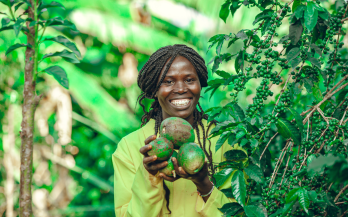
GAIN saw an opportunity to establish a workforce nutrition programme designed and implemented for both tea farmers and employed labourers of tea farms in four tea factories in Kericho County, Kenya. The programme was implemented between January 2020 and December 2022 in collaboration with the Ethical Tea Partnership, and aimed to reached 26,000 workers.
To boost growth, development and future wellbeing, a range of diverse fruits and vegetables should form part of all our regular meals. A diet rich in fruits and vegetables can help lower blood pressure, reduce the risk of cardiovascular diseases, such as heart disease and stroke, prevent some types of cancer, and lower the risk of eye and digestive problems. Non-starchy vegetables and fruits, like apples, pears and green leafy vegetables may even promote weight loss.
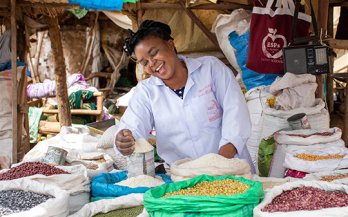
This report demonstrates that investing in nutritious food value chains allows investors to achieve significant gender impact. The hope is that more funding will be unlocked for nutritious food value chains, particularly for small and medium enterprises (SMEs), which critically lack access to financing in emerging markets.
World Micro, Small, and Medium Enterprises (MSME) Day is celebrated on June 27th every year. Founded by the United Nations General Assembly to raise awareness of the tremendous contributions of enterprises to the achievement of the United Nations Sustainable Development Goals (SDGs).
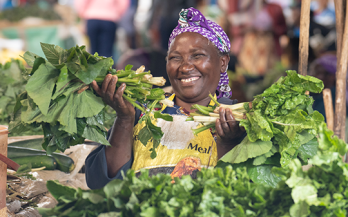
GAIN, along with the Kenya Tea Development Agency Foundation (KTDA Foundation) coordinated and implemented a training package for the vegetable kiosk vendors within the community. It was targeted at food vendors and small traders around tea factories and other stakeholders around their business sites.
GAIN Kenya has been working towards improving the nutrition and health status of Kenyans with support from donors, government, the private sector and other stakeholders. These efforts have culminated in increased policy influence in counties, development of the Food Fortification Strategic Plan 2018-2022 and the establishment of Food Safety Coordination Committee in Counties.
Consuming a healthy diet is vital for people’s well-being – to live well, grow, and stay active. Nigeria’s vibrant food systems have the critical job of nourishing Africa’s largest nation – a growing and youthful population that needs to be well-fed to meet its potential.
Since most people get a large portion of their food from the private sector, private-sector companies can play a key role in improving nutrition by bringing more safe and nutritious products to market, in forms that are appealing and affordable to consumers. This is ever more important in Nigeria today, where annual food inflation in December 2023 reached 28% - putting healthy diets beyond the reach of many lower-income consumers.