- 12/10/2026
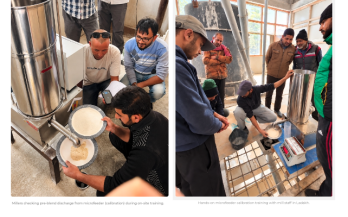
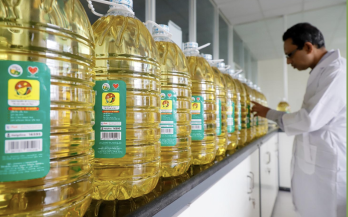
Ladakh’s wheat flour fortification program, launched in 2022, addresses severe anaemia with full government funding, high coverage through the PDS, compliant mills, and micronutrient blend of iron, folic acid, vitamin B12.
Key recommendations include local evidence collection, capacity building, quality testing, storage protocols, behavior change communication, multisectoral convergence, and robust monitoring for sustainability.
- 12/10/2026
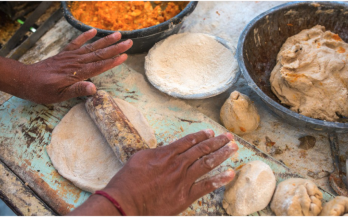
The Wheat Flour Fortification (WFF) programme in Himachal Pradesh is a mature example of a state-wide food fortification initiative implemented through the Public Distribution System (PDS), a key food-based social safety net programme in India. The programme demonstrates strong political commitment, effective operational implementation, and high consumer acceptance, while also highlighting systemic challenges related to quality assurance, monitoring, and interdepartmental coordination.
GAIN undertook a process documentation exercise in Himachal Pradesh and the Union Territory of Ladakh to capture implementation experiences, key learnings, and good practices. Based on this exercise, two policy briefs have been developed, one for each location.
- 06/10/2026
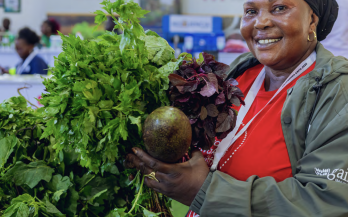
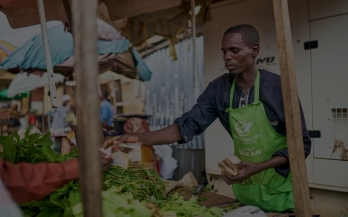
The Ebye’ndiisa Expo 2026 successfully promoted vegetables and nutrition in Uganda through stakeholder engagement, exhibitor recruitment, and media strategies, attracting 171 exhibitors and over 1,400 attendees. It improved nutrition awareness, market linkages, and consumer attitudes, validated as a demand-driven platform for healthy diets, with plans to institutionalize as a recurring event supported by government and partners.
- 30/09/2026
Cross-sectoral approaches are needed for food systems transformation—but how can countries move from systems thinking and visioning to actual coordinated action? This case study examines Benin’s development of a costed National Strategy for Accelerating Food Systems Transformation
- 16/09/2026
I-CAN, launched at COP27 in 2022, aims to accelerate action linking climate change and nutrition. Its 2023 baseline found that few countries fully integrate nutrition and climate priorities, with progress strongest in Latin America, the Caribbean and Africa, but investment still lagging.
- 14/09/2026
Mozambique faces interconnected climate and nutrition challenges. Recurrent droughts, floods, cyclones, and
extreme rainfall disrupt agricultural production, livelihoods, markets, water and sanitation systems, and
health services, with important consequences for food security and nutrition. These hazards are particularly
significant because many households depend on climate sensitive agriculture for food and income. This assessment
examines how Mozambique’s national policies and institutional landscape frame the connection between
climate and nutrition .
- 11/09/2026
This resource page brings together resources from GAIN’s work on THR. The resources capture experiences from states including Telangana, Bihar, Uttar Pradesh and Gujarat, showcasing different approaches to THR production and delivery and the considerations associated with each.
- 04/09/2024
Indonesia’s large population contributes to significant food loss and waste, which could reach 344 kg per person annually by 2045 under business-as-usual conditions.
- 04/09/2026
Large-scale food fortification (LSFF) is widely implemented to reduce micronutrient deficiencies at the population level. LSFF programmes involve an array of decision-makers and actors across the value chain. Understanding how gender norms, roles, decision- making power, and consumption patterns shape participation across the LSFF value chain can help identify opportunities to improve programme effectiveness, equity, and sustainability.
- 04/09/2026
Successful implementation of workforce nutrition programmes relies on gaining employer commitment; without it, activities cannot be adopted or sustained. Prior to the implementation of workforce nutrition programmes, employers must thus be brought on board with the approach. This paper draws on primary data from GAIN programme teams in
Bangladesh, Ethiopia, India, and Uganda to analyse the strategies and processes used to gain this employer buy-in, including which strategies were effective, what challenges arose, and the underlying reasons.