- 13/09/2021
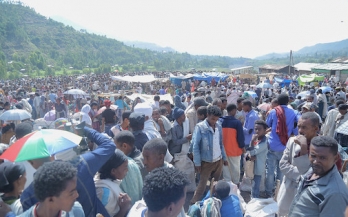
EatSafe conducted a systematic search and review process of 116 published studies on the perspectives and practices of consumers and vendors related to food safety in Ethiopia.
- 04/01/2022
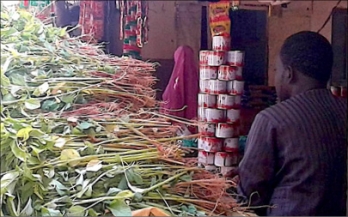
The EatSafe program conducted a range of formative research activities to understand the local context in Northwestern Nigeria. Learnings from these activities were then used to develop market-based interventions to increase consumer demand for improved food safety.
- 16/12/2021
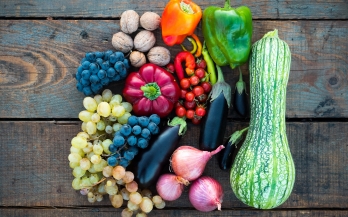
Fruits and vegetables are recommended across all dietary guidelines. Despite the nutrition credentials of vegetables, they remain relatively scarce and expensive in many low-income settings, including across many of the countries where GAIN’s main offices are based.
- 08/12/2021
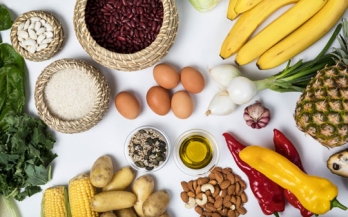
GAIN’s mission and strategy revolve around the core concept of "nutritious and safe foods". In addition, there is a growing consensus that foods should be produced sustainably - i.e., that one should take into account the environmental impact associated with the production of these foods.
- 16/11/2021
Policy Options Toolkits are a core output of GAIN’s policy and coordination efforts, under the Keeping Food Markets Working (KFMW) programme. These toolkits were developed through a participatory co-design process with GAIN, conducted in Beira and Pemba (Mozambique), Machakos and Kiambu (Kenya) and Rawalpindi and Peshawar (Pakistan) - between September 2020 and September 2021.
- 04/11/2021
Efforts to increase the consumption of vegetables focus on addressing availability, accessibility, and desirability, usually through a value chain approach. We sought to build on this value chain approach by using participatory systems modelling to address the relatively stable daily per capita vegetable consumption in Nairobi, Kenya over the last 15 years.
- 04/11/2021
GAIN has long supported SMEs to increase their production of safe and nutritious foods but has found it difficult to understand the impact of such activities on consumers. As food is a fast-moving consumer good, which travels in large volumes between diverse actors of a value chain, spanning wide areas, it can be hard to identify its end consumers, and collecting data from them can be resource intensive.
- 04/11/2021
In Ethiopia, per capita annual consumption of dairy is just 11% of World Health Organization recommended levels. Low incomes are a key constraint to dairy consumption, as many consumers cannot afford to buy dairy in recommended quantities. Key sector constraints are centred around rural scarcity, high prices, and quality concerns.
- 04/11/2021
Despite Mozambique’s economic growth over the last decade, critical levels of stunting amongst the population persist, partly driven by inadequate nutrient intake. Eggs are an excellent and affordable source of protein and represent an opportunity to address nutritional deficiencies in the Mozambican population.
- 04/11/2021
Malnutrition among infants and young children is widespread in Mozambique, with high rates of stunting among children under 5 years of age. Micronutrient-fortified porridge can help increase the nutrient content of diets and thus contribute to the fight against malnutrition.