- 20/08/2024
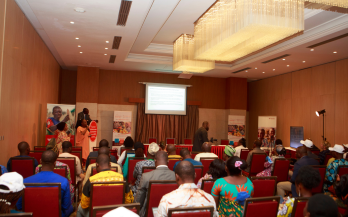
In response to a request from the Benin Scaling Up Nutrition (SUN) focal point, following the 2022 Joint Annual Assessment (JAA), the establishment and operation of the SUN Business Network (SBN) began with the support from the Global Alliance for Improved Nutrition (GAIN) and CARE through the CASCADE programme. The goal of the programme is to improve food security and reduce malnutrition among at least 5 million women of reproductive age and children under 5 in Benin, Nigeria, Uganda, Kenya, Ethiopia, and Mozambique. The establishment of SBN Benin started with the development of a strategic plan for 2024-2030 and mapping of potential members and partners.
- 16/08/2024
While improved nutrition is central to achieving many development goals, investment in nutrition currently falls far short of what is needed. One group of actors that could potentially help address this is development finance institutions (DFIs): specialised financial organisations that promote sustainable development by providing capital, usually for private-sector-led projects. DFIs seem like promising actors to support nutrition: they are already active in low- and middle-income countries, invest in adjacent sectors like agriculture, and have large financial resources. However, to date DFIs have not been very active in investing in nutrition-supporting businesses and funds. This paper seeks to understand the barriers to investment in nutrition-related projects and develop concrete solutions to unlock funding through a mapping of DFIs’ approaches combined with in-depth interviews with several DFI representatives.
- 09/08/2024
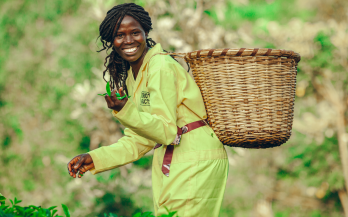
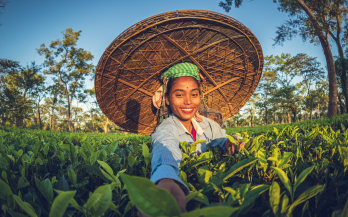
Poor diets are the leading cause of global ill health, resulting in malnutrition and deficiencies such as anaemia, decreased energy levels, diminished health, and decreased productivity. A diverse diet containing a wide variety of food types is more likely to provide the vitamins and minerals needed for good health, to boost brain and body development, and bolster resistance to infections. However, in 2021, more than 3.1 billion people in the world—or 42 percent of the global population—were unable to afford a healthy diet. Tea workers and farmers, predominantly women, often contend with high rates of malnutrition due to diets lacking essential nutrients. Healthy Diets for Tea Communities is a public-private collaboration between the Global Alliance for Improved Nutrition (GAIN), the Ethical Tea Partnership (ETP), and eight leading tea companies, which aims to promote healthy diets in tea supply chains in India, Malawi, and Kenya. This document summarises programme results in Kenya.
- 09/08/2024
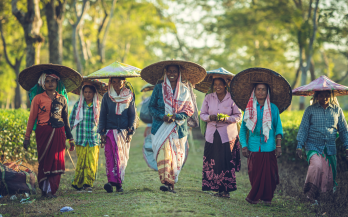
Global tea production totals over USD 17 billion annually, and the sector continues to grow. In many countries, the tea sector contributes significantly to income and employment for millions of rural families, with smallholder farmers producing 60 percent of world production. However, tea workers and farmers often suffer from high malnutrition rates because their diets, which consist largely of staple foods such as rice, bread, maize, and wheat, often lack foods rich in essential nutrients and vitamins needed for good health. Nutritious foods are often less affordable and available to this population, and they may be less aware of the importance of healthy diets. In Assam State, one of the main tea-producing states in India, 18 percent of women are underweight, 66 percent of women are anaemic, and 15 percent of women are overweight.
- 09/08/2024
Poor diets are the leading cause of global ill health, resulting in malnutrition and deficiencies such as anaemia, decreased energy levels, diminished health, and decreased productivity. A diverse diet containing a wide variety of food types is more likely to provide the vitamins and minerals needed for good health, to boost brain and body development, and bolster resistance to infections. However, in 2021, more than 3.1 billion people in the world—or 42 percent of the global population—were unable to afford a healthy diet. Tea workers and farmers, predominantly women, often contend with high rates of malnutrition due to diets lacking essential nutrients. Healthy Diets for Tea Communities is a public-private collaboration between the Global Alliance for Improved Nutrition (GAIN), the Ethical Tea Partnership (ETP), and eight leading tea companies, which aims to promote healthy diets in tea supply chains in India, Malawi, and Kenya. This document summarises programme results in Malawi between 2020 and 2023.
- 09/08/2024
In 2021, more than 3.1 billion people in the world – or 42 per cent of the global population – were unable to afford a healthy diet. Tea workers and farmers, predominantly women, often contend with high rates of malnutrition due to diets lacking essential nutrients. Healthy Diets for Tea Communities is a public-private collaboration between the Global Alliance for Improved Nutrition, the Ethical Tea Partnership and eight leading tea companies which aims to promote healthy diets in tea supply chains in India, Malawi, and Kenya. Between 2020 and 2023, the programme reached 734,075 people, increasing the percentage of women in the programme eating minimally diverse, nutritious diets – 5 out of 10 food groups – in all three countries. The documents below summarise the programme’s impact in Assam, Kenya and Malawi.
- 25/07/2024
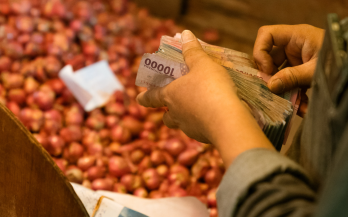
The purpose of this assessment tool is to gather data from vendors, consumers, and key stakeholders in traditional markets to identify food safety challenges and perceptions. This information helps design effective behaviour change interventions to enhance food safety practices. The tool includes methods for comprehensive data collection through interviews, observations, and discussions.
- 23/07/2024
This report demonstrates that investing in nutritious food value chains allows investors to achieve significant gender impact. The hope is that more funding will be unlocked for nutritious food value chains, particularly for small and medium enterprises (SMEs), which critically lack access to financing in emerging markets.
- 20/06/2024
Biofortification (also known as nutrient enrichment) of staple crops, is a cost-effective and sustainable agricultural technology that enhances the quantity, bioavailability and bioaccessibility of micronutrients, with the aim of reducing micronutrient deficiencies. From 2019-2022, GAIN and HarvestPlus coordinated the Commercialisation of Biofortified Crops (CBC) Programme, which sought to scale up the production and consumption of biofortified foods (i.e., wheat, maize, cassava, rice, pearl millet, and beans) through commercial pathways in six countries in Africa and Asia. The programme used a variety of strategic scaling pathways to ensure commercialisation (e.g., increased production and availability of surplus for sale in markets), where aggregation was a key step. The objectives of this paper are to: (1) document the types of aggregation models employed by the CBC programme and their challenges, and (2) make recommendations for improving biofortified crop value chains to better achieve commercialisation. The insights in this paper are based on a desk review of CBC programme documents and semi-structured interviews with programme implementers.
- 18/06/2024
Reducing foodborne disease in low- and middle-income countries (LMICs) is crucial for advancing nutrition, health, and other development goals. The U.S. Agency for International Development (USAID)/Feed the Future’s Evidence and Action Towards Safe, Nutritious Food (EatSafe) program sought to harness consumer demand as a mechanism to improve food safety practices and generate evidence on how to raise consumer demand for safe, nutritious foods in traditional market settings—the main source of food for most LMIC consumers.