- 14/09/2020
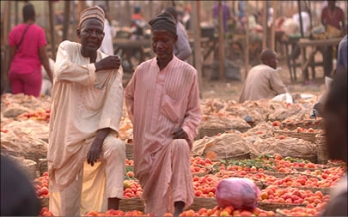
To understand how both food vendors and consumers conceptualize food safety, and how knowledge and beliefs are reflected in practices and social interactions, EatSafe conducted scoping reviews on consumer (Part 1) and vendor (Part 2) perceptions of food safety.
- 28/08/2020
One in three people globally suffers from at least one type of malnutrition. Malnutrition brings significant losses in productivity and potential, and poses challenges to employers in all settings. 58% of the world’s population will spend one third of their time at work during their adult life, so employers have an opportunity to help tackle malnutrition.
- 28/08/2020
In 2021, two major Summits will take place to fight malnutrition: the Nutrition for Growth Summit and the United Nations Food System Summit. These Summits are an opportunity to set ambitious targets regarding the private sector contribution to a better access to safe nutritious food. Ahead of these key events, the Global Alliance for Improved Nutrition (GAIN)/SUN Business Network (SBN) are working on understanding and strengthening current business accountability in nutrition by supporting better alignment of the reporting landscape.
- 24/08/2020
Lack of diversity in many people’s diets means that more than two billion people globally are deficient in at least one micronutrient, which has a transversal impact on individuals, communities, and nations. It is within this context that GAIN’s Large Scale Food Fortification (LSFF) portfolio of projects, which operate both at national and global levels, has been deployed, with the aim of increasing micronutrient intakes through the addition of bioavailable micronutrients (vitamins and minerals) to commonly consumed foods.
- 21/08/2020
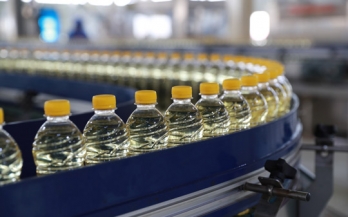
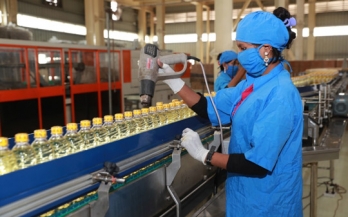
This study responds to earlier findings of suboptimal compliance with mandatory fortification of edible oil in Bangladesh. We aim to explain the root causes of poor compliance and to provide recommendations to strengthen the national fortification programme in Bangladesh and other similar contexts.
- 20/07/2020
In low-income countries, poor dietary diversity is driven in large part by the low availability and affordability of nutritious foods like fresh fruits and vegetables, dairy products and other animal sourced foods. In a recent assessment, GAIN determined that small-and medium-sized enterprises (SMEs), or small and mighty enterprises as GAIN likes to call them, produce, process or sell up to 70% of nutritious food sold in low-income markets in Africa.
- 09/07/2020
These manuals have been prepared for use by persons and organisations wishing to manufacture and supply complementary foods in different countries. The manuals have been specifically prepared for use in the countries of Ethiopia, Kenya, Mozambique and Rwanda and contain generic information that will be applicable irrespective of the country concerned but also contain specific information relating to the four aforementioned countries.
- 07/07/2020
Vegetables for All (VfA) targets the whole vegetable chain from seed to stomach. In north- eastern Tanzania, the availability of vegetables is intrinsically linked to the dry and wet seasons causing fluctuations in access to nutritious vegetables. This problem is compounded by poor access to high quality seeds and other inputs and high levels of post-harvest loss which prevent vegetables reaching markets in the region.
- 06/07/2020
In 2016, the Global Alliance for Improved Nutrition (GAIN) and its partners spotted a gap in postharvest loss interventions targeted to a) nutritious foods and b) working in the supply chain beyond the farm. The Postharvest Loss Alliance for Nutrition (PLAN) was launched in Nigeria.
- 30/06/2020
Public food procurement refers to how governments purchase and provide food to defined populations. Institutional food procurement refers to food purchasing and provision by organisations like schools, hospitals, care homes, youth clubs, prisons, and workplaces. Local governments often manage public food procurement at these institutions, serving food to students, patients, employees, and their families.