- 01/05/2012
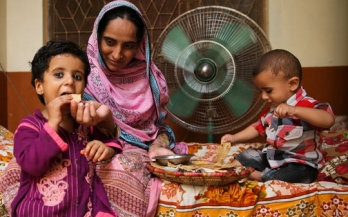
The department of Paediatrics and Child Health, Aga Khan University conducted the Pakistan National Nutrition Survey in 2011 to assess the population nutritional status, particularly among women and children using standard international parameters and indicators. This survey report describes the results of these additional analyses.
- 01/08/2018
The aim of the survey was to provide data on household coverage and consumption of fortifiable and fortified foods among children and women of reproductive age, and availability and quality of fortified foods from markets in Pakistan.
- 01/04/2017
The study analysed multiple program design options covering operational complexities, premix supply, the roles of private and public sectors, branding, marketing and advocacy, cost to consumer and quality assurance. This report presents the results of the various options evaluation and key conclusions drawn from the assessment.
- 01/05/2017
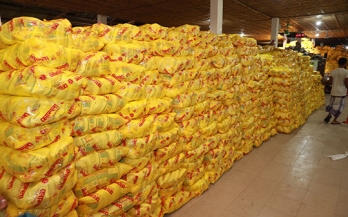
This study report presents a costing model that was developed to calculate the total national cost as well as to estimate the probable increment in the retail price of fortifying wheat flour and edible oil produced by large flour mills and edible oil refineries with essential micronutrients, and to determine export price of these products.
- 15/12/2012
The aim of this study was to review experience of the use of iodized salt in the food industry globally, and analyze the market context in Bangladesh and Pakistan to test whether this experience may be applicable to inform improved national universal salt iodization programming in developing countries.
- 01/01/2017
In Afghanistan and Pakistan, there is a severe vitamin and mineral deficiency problem, including deficiencies in vitamin A, vitamin D, iron, folate and zinc. To effectively mobilize the industry and initiate the production of fortified wheat flour as per Afghan requirements, an industry assessment was conducted during November and December 2016.
- 01/03/2018
This report highlights the successes of the global effort to eliminate iodine deficiency disorders as a public health problem. The report was commissioned as part of UNICEF-GAIN Partnership Project, funded by the Bill & Melinda Gates Foundation from 2008 to 2015, to improve iodine nutrition through salt iodisation.
- 01/06/2017
Adolescents embody the future – figuratively and, in the case of mothers, literally. If their nutrition status is poor, then nutrition throughout the lifecycle will be fragile. This report aims to address this issue in three ways.
- 01/09/2017
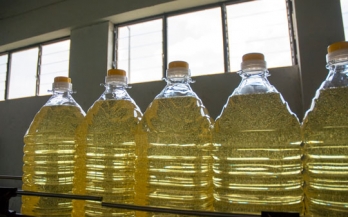
This report presents findings from a market assessment of the presence and fortification level of vitamin A in all major brands of edible oil and vanaspati sold in Pakistan and potentially exported to Afghanistan that was undertaken to inform technical and programmatic decisions to support effective food fortification.
- 01/01/2016
This summary report presents key findings and trends from nutrition landscape analyses undertaken across fourteen countries as part of the GSM Association Mobile for Development Nutrition Initiative funded by UK Department for International Development.