- 10/09/2019
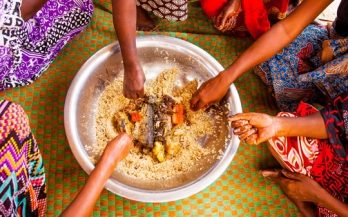
The framework comprises a set of drivers, plus four determinants (food supply chains, external food environments, personal food environments, and behaviours of caregivers, children and adolescents), which together influence the diets of children and adolescents.
- 24/07/2019
The FACT provides details on how to plan, design, implement, analyse, and report a FACT survey. It was designed to help stakeholders collect, analyse, and synthesise standardised data on quality, coverage, and consumption of fortified foods, and fills a gap in the availability of standardised tools to generate information to understand how well programmes are working and how to improve them.
- 03/07/2019
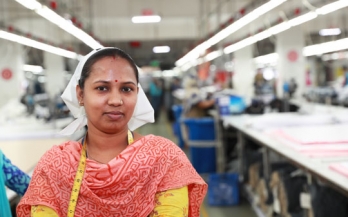
On 3 and 4 July 2019, The Global Alliance for Improved Nutrition (GAIN) and The Consumer Goods Forum (CGF) organised a meeting in Geneva to discuss the why, what and how of improving employee nutrition. The meeting was attended by a broad range of stakeholders who are actively involved in Workforce Nutrition programmes. This paper reports on the discussions and outcomes of the workshop.
- 12/08/2019
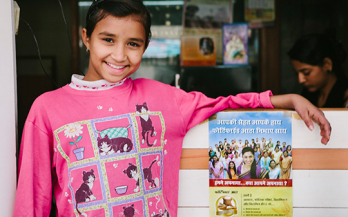
The Global Alliance for Improved Nutrition (GAIN) and the World Health Organization (WHO) organised a consultation in Geneva in June 2018, which brought together more than 80 researchers, practitioners, policymakers and youth organisations, as well as adolescents from Pakistan, Bangladesh, Indonesia and Zambia. This paper reports on the discussions and outcomes of the workshop.
- 05/10/2018
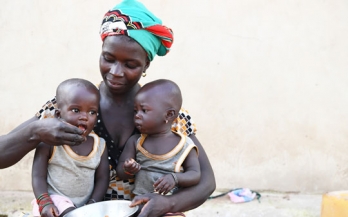
Food systems are essential to delivering healthy, affordable and sustainable diets, but the nutritional needs of children and adolescents are often not prioritised. UNICEF and GAIN co-hosted a global consultation on children, adolescents and food systems in November 2018.
- 01/01/2019
The FACT consists of a manual and 10 practical tools and templates that provides standardised methods for the collection, analysis, and synthesis of data on quality, coverage, and consumption of fortified foods across countries while allowing for adaptations to meet specific country needs and contexts.
- 01/07/2019
In this series, GAIN outlines the evidence for the four most common workforce nutrition interventions: healthy food at work; nutrition education; nutrition-focused health checks; and breastfeeding support. Each evidence brief outlines the possible interventions, reviews the literature to date, suggests best practices, and showcases success stories from front-runner businesses in the specific intervention area.
- 20/06/2018
This chapter aims to capture lessons learned from both public and private sector experiences and will discuss key determinants of demand and consumption of fortified foods, illustrated with examples from the field and lessons learned on what worked and what has not worked.
- 20/06/2018
This chapter describes the recommendations and norms guiding current policies and programs to address undernutrition, the existence of policies and programs in low- and middle- income countries, some of their strengths and challenges, and provides examples of how better generation and use of information could accelerate progress in nutrition.
- 20/06/2018
Food fortification is a cost-effective strategy for addressing demonstrated nutrient deficiencies in the contexts of a combination of marginal diets, vulnerable population segments, and other drivers of deficiency. In this chapter, we present and discuss issues pertaining to the development of national strategies to prevent and control micronutrient deficiency, with specific focus on the role of food fortification.