- 16/12/2021
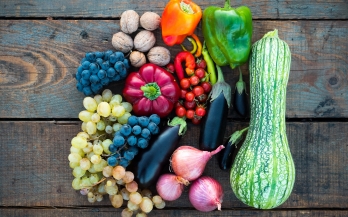
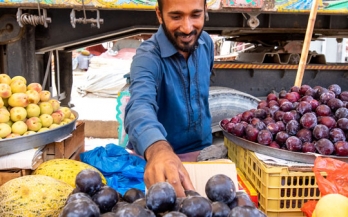
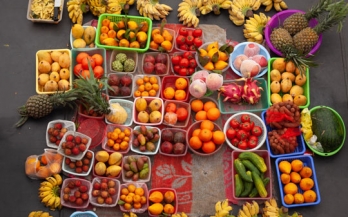
Fruits and vegetables are recommended across all dietary guidelines. Despite the nutrition credentials of vegetables, they remain relatively scarce and expensive in many low-income settings, including across many of the countries where GAIN’s main offices are based.
- 08/12/2021
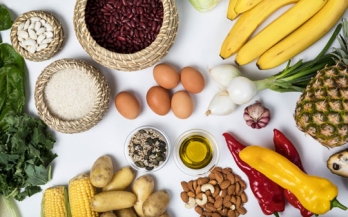
GAIN’s mission and strategy revolve around the core concept of "nutritious and safe foods". In addition, there is a growing consensus that foods should be produced sustainably - i.e., that one should take into account the environmental impact associated with the production of these foods.
- 20/09/2021
Designed to inspire EatSafe team members’ creativity and imagination prior to and during the EatSafe Intervention Sprint, this tool described the features, benefits, and enabling infrastructure of over 100 consumer-first food system innovations using Human Centered Design.
- 20/09/2021
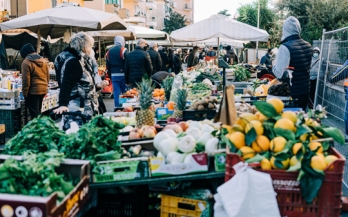
EatSafe reviewed existing normative guidelines that could be used by governments and other enabling organizations to promote safer food in traditional markets.
- 29/09/2021
Understanding urban specific contexts and food system challenges during the pandemic is the first step towards the co-design of policy options. Between December 2020 and April 2021, GAIN conducted a mixed method Rapid Needs Assessment of Machakos and Kiambu (Kenya), Beira and Pemba (Mozambique),) and Rawalpindi and Peshawar (Pakistan).
- 09/08/2021
As the importance of national level information on dietary intakes in low- and middle-income countries is increasingly recognized; reliable methods, tools and guides to support the compilation of quality food and nutrient intake data are needed. In general, guidance on how to adequately prepare for a dietary survey prior to embarking on data collection is scarce.
- 29/07/2021
In January 2021, GAIN published its latest report "Business Accountability for Better Nutrition" listing concrete ways to improve business accountability by using a number of existing reporting tools to assess business impact on nutrition
- 21/04/2021
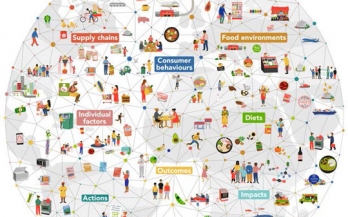
Food Systems are the people, places, and activities that bring us food. They make food available in diverse ways that influence and shape the choices we make about what to eat, when, and how. They are complicated and constantly changing – comprising a host of moving and interconnected pieces. They support many people’s livelihoods.
- 20/04/2021
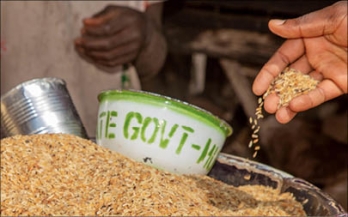
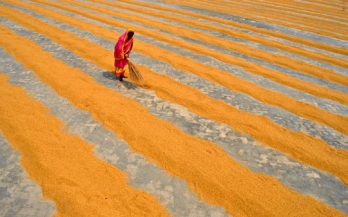
High levels of food loss help drive low availability and affordability of nutrient-dense foods such as fresh fruit and vegetables - which, in turn, contribute to poor-quality diets and poor nutrition outcomes in many low- and middle-income countries. Much of this loss occurs at the post-harvest stage, in which women often play a large role, and gender relations shape decisions along agricultural value chains
- 13/04/2021
This infographic has been prepared by GAIN based on the blog Keeping food flowing within African food systems by busting policy myths penned by GAIN's Executive Director Lawrence Haddad commenting on the paper "Essential non-essentials": COVID-19 policy missteps in Nigeria rooted in persistent myths about African food supply chains.