- 14/09/2026
Mozambique faces interconnected climate and nutrition challenges. Recurrent droughts, floods, cyclones, and
extreme rainfall disrupt agricultural production, livelihoods, markets, water and sanitation systems, and
health services, with important consequences for food security and nutrition. These hazards are particularly
significant because many households depend on climate sensitive agriculture for food and income. This assessment
examines how Mozambique’s national policies and institutional landscape frame the connection between
climate and nutrition .
- 21/07/2026
The I-CAN Landscaping Analysis on Climate and Nutrition Policies and Stakeholders in Somalia provides a comprehensive evaluation of the integration between climate action and nutritional outcomes within the national policy framework. Supported by the Agrifood Systems Transformation Accelerator (AFST-A), this analysis examines how Somalia—a nation facing concurrent climate shocks and high malnutrition—aligns its strategic objectives to build systemic resilience.
- 23/06/2026
Uganda is increasingly recognizing the importance of addressing the intersection of climate change and nutrition, with a growing number of policies and institutional actors engaging with the climate–nutrition nexus. Several policies and initiatives demonstrate that integrated action is both possible and already underway, particularly where explicit pathways, costed commitments, and system-level resilience investments are included. Institutions such as the Office of the Prime Minister, the National Planning Authority, and the Ministry of Health provide important entry points for strengthening coordination, while informal influence networks and policy windows offer additional opportunities to advance integration.
- 18/05/2026
Uganda increasingly recognises the importance of addressing the intersection of climate change and nutrition, with emerging efforts demonstrating that integrated action is both possible and already underway. However, climate shocks, including droughts, floods, and pest outbreaks, continue to disrupt food production, dietary diversity, water access, and disease patterns, ultimately undermining nutrition outcomes. A review of 39 national policies and consultations with 22 stakeholders across government, development partners, civil society, and the private sector reveal that climate and nutrition remain largely siloed within Uganda’s policy architecture, and that implementation is constrained by gaps between policy intent and operational reality.
However, a subset of policies demonstrates that effective climate–nutrition integration is already possible, particularly where clear pathways, costed commitments, and system-level investments are in place. Stakeholder interviews indicate that, although policy frameworks increasingly acknowledge the climate-nutrition nexus, integrated action is most often realised at the program level, primarily through donor-funded projects and civil society initiatives, rather than systematically embedded within government systems. These findings highlight a critical opportunity to strengthen policy coherence, institutional coordination, financing alignment, and cross-sector accountability to accelerate climate-nutrition integration efforts in Uganda.
- 18/03/2026
This white paper was commissioned by Partners in Food Solutions, SNV*, and GAIN and prepared with research,
technical, and drafting support from Earth Partners Ltd. The authoring organisations extend their sincere gratitude to the funders, partners, and food processors for their generous contribution in making this research possible.
The analysis reflects an independent synthesis of evidence and stakeholder perspectives and should not be interpreted as representing the official views, policies, or positions of the authoring organisations, their governing bodies, partners, or funders.
- 26/02/2026
I-CAN Policy Brief, June 2025. This policy brief highlights the challenges and opportunities arising from the need to better integrate climate and nutrition policies in Tanzania. Despite growing recognition of their interconnectedness, policies remain largely fragmented and operate in silos, particularly across health, nutrition, and other food systems sectors. Food and agriculture policies lead in climate-nutrition integration by including concrete strategies and accountability mechanisms. However, outdated legacy policies, weak institutional coordination, and fragmented financing and data systems hinder effective integration and implementation. Key barriers include limited cross-sectoral collaboration, under-resourced coordination structures, and lack of shared data and financing mechanisms. Recommendations include establishing a national Climate–Nutrition Coordination Committee, implementing integrated financing tracking, adopting joint monitoring indicators, and promoting inclusive stakeholder engagement to strengthen policy coherence and accelerate impactful climate-nutrition action in Tanzania.
- 09/02/2026
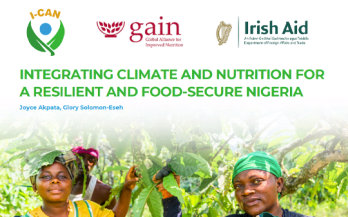
Nigeria faces overlapping crises of climate change and malnutrition, with rising temperatures, erratic rainfall, and extreme weather reducing crop yields and pushing 30.6 million people toward severe food insecurity in 2026. Most climate and nutrition policies operate in silos, limiting coordinated action, while existing links remain largely analytical rather than practical. Integrating climate-smart agriculture, water management, and community resilience initiatives can create “win-win” outcomes, strengthening food security and health—but urgent collaboration across government, civil society, and the private sector is needed to turn commitments into local solutions.
- 28/11/2025
Global food systems face complex, multi-faceted challenges that greatly vary by context, and their environmental, health, and socio-economic impacts are equally diverse. A comprehensive understanding that integrates these disparate factors into unified, clear guidance is essential for decision-making, including policy measures and industry practices.
- 05/11/2025
The I-CAN Assessment 2025 aims to provide a snapshot into the current state of integration between climate and nutrition action across 16 indicators in policy and finance. Despite modest progress since 2023, the report makes clear that integration of climate and nutrition in key international and national policies and financing remains limited, slowing progress towards both reducing malnutrition and climate goals. However, the report also helps to highlight priority areas for action, spotlighting examples of best practice we can learn from as we progress into the second half of this critical decade for the SDGs and climate action.
- 14/10/2025
Through the Nourishing Food Pathways programme, GAIN has collaborated with Hystra on a new study exploring how investments in nutritious food value chains can deliver both nutrition and environmental benefits in Latin America, Sub-Saharan Africa, and South Asia. The research highlights opportunities for impact-oriented investors, specifically Development Finance Institutions (DFIs), to direct capital towards businesses that improve diets while advancing sustainable food systems.
The study prioritises six nutritious food value chains; fruits, vegetables, legumes, milk, poultry, and aquaculture, selected for their inherent nutritional value, potential to reduce environmental pressures and high investment potential. In each region, case studies of investable enterprise illustrate how targeted investments can expand access to affordable and diverse nutritious foods, reduce post-harvest losses, promote climate-friendly practices such as regenerative agriculture and circular resource use, and enhance productivity.
The report provides practical insights for DFIs and other impact-oriented investors who are committed to advancing SDG2 (Zero Hunger) and SDG13 (Climate Action). By making strategic investments in businesses operating in these value chains, investors can simultaneously reduce environmental impacts and expand access to nutritious, affordable foods in local markets, creating a virtuous cycle of sustainable growth and resilience.