India’s agricultural transformation is widely recognised as one of the most consequential development stories of the twentieth century. From chronic food shortages in the decades following independence to self-sufficiency in staple cereals like rice wheat and millets, India’s investments in irrigation, research, and price support fundamentally reshaped food availability. Public procurement and subsidised public distribution systems ensured that calories reached even the most vulnerable. And this culminated in the institutionalisation of food security through the National Food Security Act.
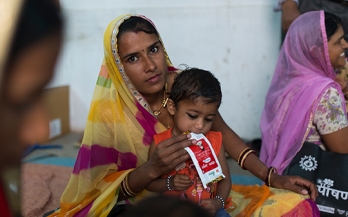
The Take-Home Ration (THR) component of India’s Supplementary Nutrition Programme, the world’s largest
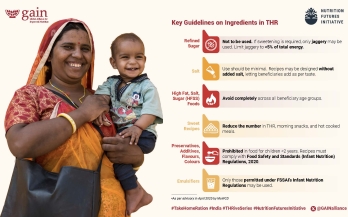
flagship supplementary feeding programme under POSHAN 2.0 and Saksham Anganwadi, is a key intervention to improve the nutrition of children 6-36 months, adolescent girls, pregnant women, lactating mothers. THR has evolved over the years to ensure it provides adequate amount of daily and protein for children and PWLMs, with recent updates emphasizing macro- and micronutrient profiles and limiting added sugars, salt, preservatives, and synthetic additives.
Read our third story in the series on The Food Crisis: What's Happening, a collection of work on the current events and the impact communities are seeing on a global scale. The Food Crisis is affecting everyone socially, economically and nutritionally. Tarun Vij, our India Country Director discusses the wide reaching ripple effect India is experiencing and what actions need immediate attention.
As a nation, India joins over 125 countries that have embarked on coordinating efforts for inclusive, multistakeholder Food Systems Summit Dialogues to engage around the vision of the ‘people’s summit’. All over the world, countries have been holding – and in some cases continue to hold – national and sub-national dialogues to surface and prioritise needs and actions.