Billions of people worldwide are malnourished. Despite our best efforts, the cost of a healthy diet and food insecurity continue heading in the wrong direction. Without significant intervention, this crisis will persist—but we believe artificial intelligence (AI) represents a powerful new tool to help change that trajectory.
Jakarta moves fast. So do its appetites. Over the past five years, Indonesia’s food landscape has shifted further towards convenience and high-risk options, moving away from diets that are nourishing and environmentally grounded. Indonesia Health Survey 2023 tells the story in numbers: high-fat foods consumption rose from 58.5% in 2018 to 60.7% in 2023; salty foods jumped from 40.3% to 52.2%; and instant noodles climbed from 45% to 51.7%. Meanwhile, adequate vegetable intake (five portions per day) fell from 4.6% to 3.3%.
Why Climate and Nutrition Integration Matters?
Climate change is not just an environmental issue; it intersects with systemic multiple aspects of human life. It interlinks the Sustainable Development Goals (SDGs) which aim to end hunger and poverty, preserve the environment, and ensure prosperity. In practice, climate change worsens hunger and hidden hunger as its increasing disasters, declining agricultural harvest and productivity, and threatening crop nutrition.
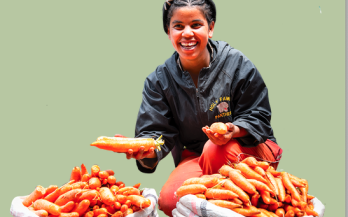
Smallholder farmers are the backbone of our food systems. Through small-scale agriculture, they contribute to economic development, provide jobs and livelihoods, and ensure food security for millions. Yet, despite producing 70–80% of the world’s food, many smallholder farmers remain impoverished and food insecure.
Each year, agricultural productivity declines as climate change intensifies. Smallholder farmers are among the most vulnerable groups to climate change because they rely heavily on rain-fed agriculture, cultivate marginal lands, and often lack access to the technical and financial support that could help them invest in better agricultural practices.
Many governments and organisations are addressing this crisis through climate-smart agriculture training, funding drought-resistant crops, early warning systems, resilient technologies and financial services. However, one crucial aspect remains overlooked: the nutrition and well-being of the farmers themselves.
Organisations working closely with smallholder farmers, whether through direct employment or value-chain partnerships, often focus on productivity interventions such as inputs, finance, and market access. However, the nutrition and well-being of the farmers who make these systems thrive are mostly neglected.
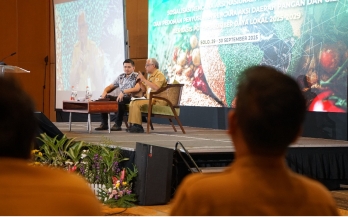
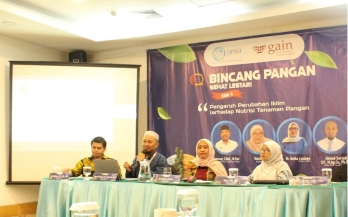
On October 14, 2025, the 5th series of Bincang Pangan Sehat Lestari brought together experts, policymakers, and practitioners from government agencies and NGOs. The discussions focused on the impact of climate change on food crop nutrition.
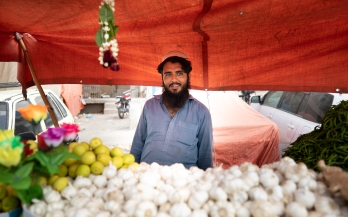
Local and traditional food retail markets are inherent in a city’s social fabric and the urban food environment. Millions of residents connect daily through food at local and traditional markets; and for many low income urban residents, this is their primary source of food.
Thousands of tons of fresh, dried and on ice produce flow into these retail and wholesale-retail hybrid markets, bought by consumers directly and/or by food-outlets, restaurants, and last mile vendors.
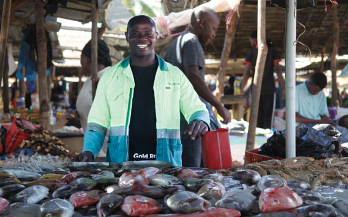
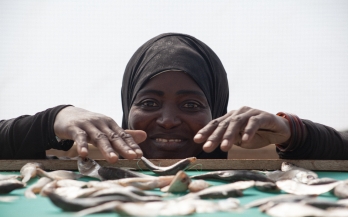
Moma, Mozambique – When Islova Alberto Aly decided to venture into fish drying, her primary aim was to generate an income to support her children's education. Little did she know that her traditional fish drying methods—spreading fish on the ground by the Mucoroge beach, exposed to sand, dust, sun, and bacteria—would harm her community.
Every October, the world comes together to mark World Food Day, a moment to reflect on progress and renew our commitment to building food systems that nourish everyone. The 2025 theme, “Hand in Hand for Better Foods and a Better Future,” speaks to the power of collaboration. At GAIN Nigeria, we see this play out every day in our partnerships across governments, industry, and civil society. It is not just about what we do as an organization it is about what we achieve together. One powerful example of this is the Digital Fortification Quality Traceability Plus platform (DFQT+) platform, now transforming how fortified foods are monitored in Nigeria.