GAN Pakistan Programmes
In Pakistan, malnutrition, particularly among children and women, remains a significant public health challenge.
In Pakistan, malnutrition, particularly among children and women, remains a significant public health challenge.
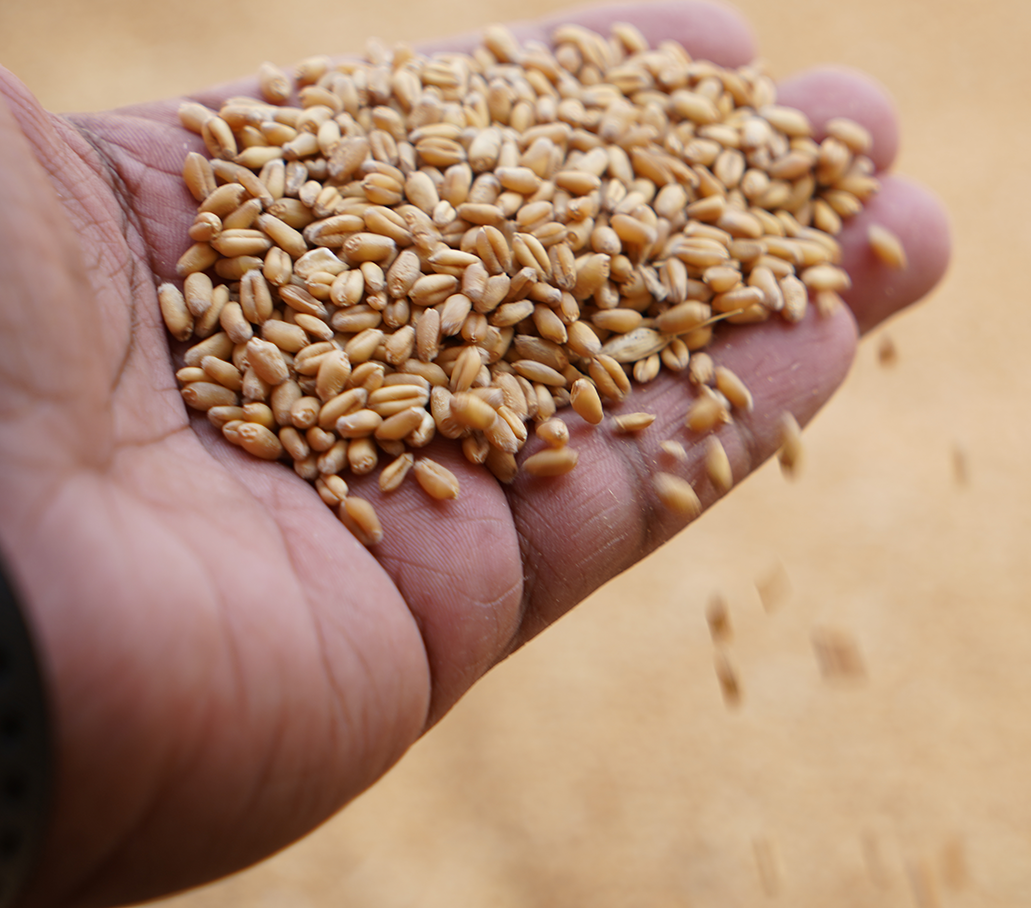
GAIN Pakistan in collaboration with partners is working on the nutrient enriched crops by significantly expanding the availability and reach of food and food products made with biofortified Zinc wheat (BZW), a staple crop. GAIN strengthens the seed supply, production, segregation, procurement and processing of the Biofortified Zinc Wheat to make the biofortified Zinc Wheat Products available in the market. The project also engages government at different levels through advocacy to influence relevant.
The project identified and developed Biofortified Zinc Wheat hotspots by engaging farmers, government departments and other value chain actors in three districts of Punjab Province. These efforts enhanced production and promoted greater consumption with a particular focus on vulnerable populations and farmers at the lowest socioeconomic levels.
In parallel, GAIN supported the Government of Balochistan in assessing the wheat multiplication system and through the Balochistan Agriculture Research and Development Centre (BARDC), provided technical assistance and supplied Biofortified Zinc Biofortified Wheat basic seed for multiplication and commercialization, strengthening local capacity and contributing to improved nutrition outcomes.
GAIN convenes the SUN Business Network (SBN) Pakistan, a network of businesses committed to improving nutrition that aims to increase the availability and affordability of safe, nutritious foods to consumers, especially low-income consumers through innovative solutions at national levels.
In Pakistan, GAIN convenes the SUN Business Network under the stewardship of the SUN Secretariat.
Under SBN, GAIN endeavours to:
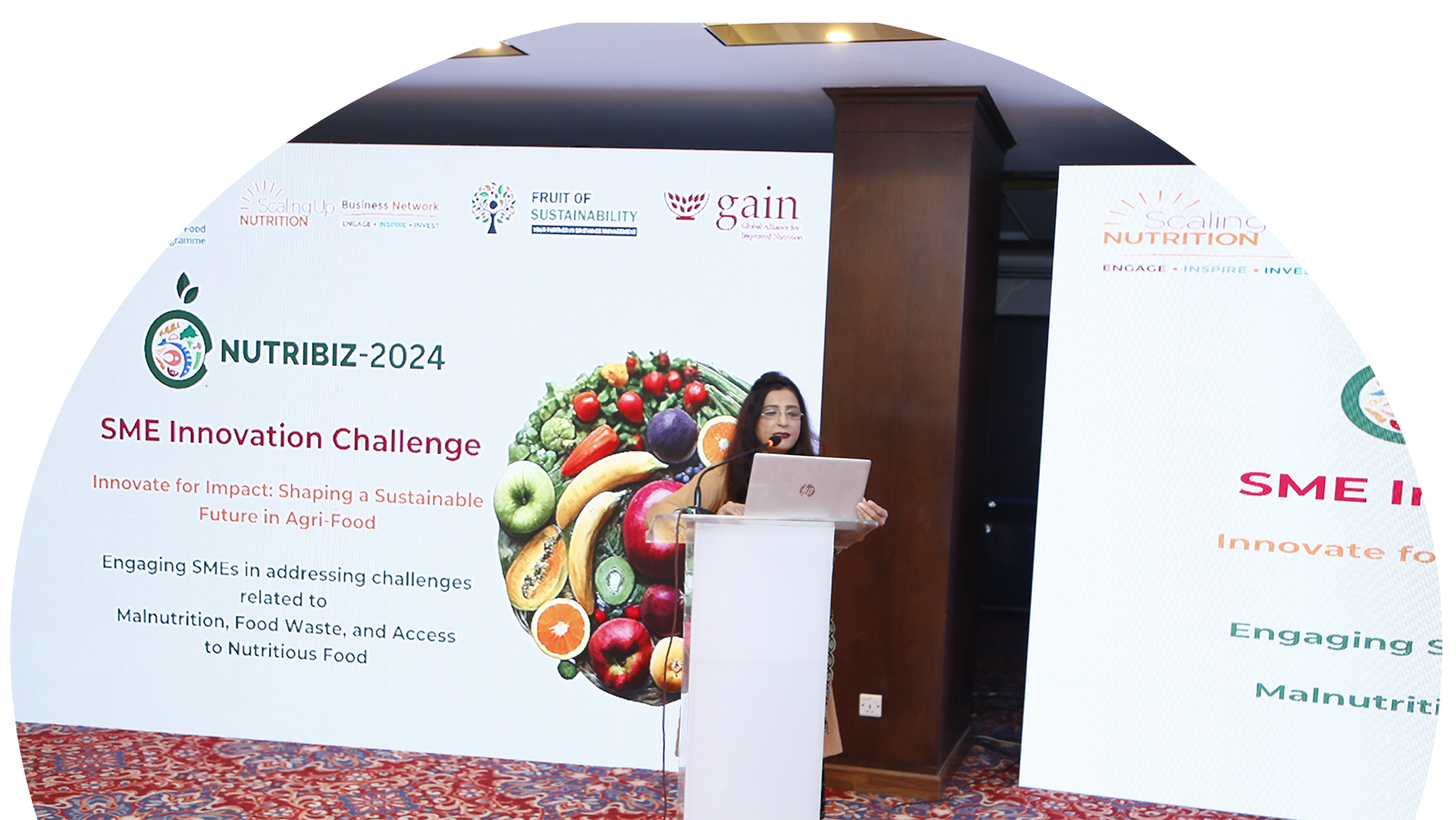
Much of Pakistan’s fruit processing industry operates within the informal sector, characterised by small-scale operations, traditional methods, and limited access to modern technologies. This leads to inefficiencies, high post-harvest losses, inconsistent product quality, and constrained market access thereby limiting income opportunities for smallholder farmers, particularly women.
This initiative addresses these challenges by reducing post-harvest losses and increasing value addition within the fruit processing sector.
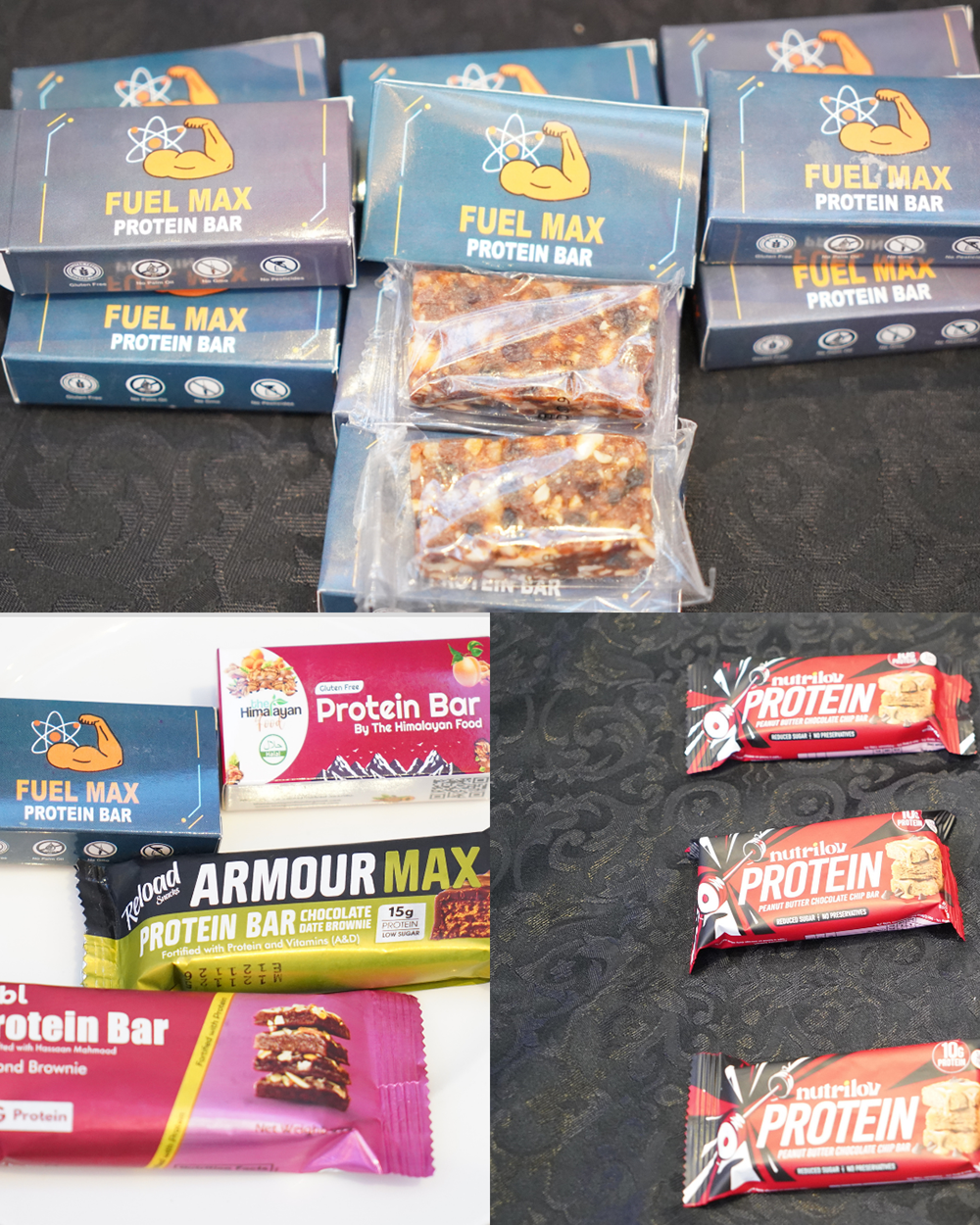
The project introduces environmentally sustainable processing techniques to transform surplus apricots and dates into protein-balanced, fruit-based bars. This approach improves product quality, extends shelf life, and creates new market opportunities for locally produced fruit.
Ten local fruit processing companies have been mobilised and equipped with technical support to adopt these improved processing methods and produce higher-value, nutritious fruit bars that meet quality and nutrition standards.
The initiative also fosters partnerships between local and global stakeholders through the Scaling Up Nutrition Business Network, supporting wider adoption of the innovation by other businesses in Pakistan.
The project is implemented by GAIN Pakistan, with funding from DANIDA, in collaboration with local food processing companies and with technical support from Arla Food Ingredients.
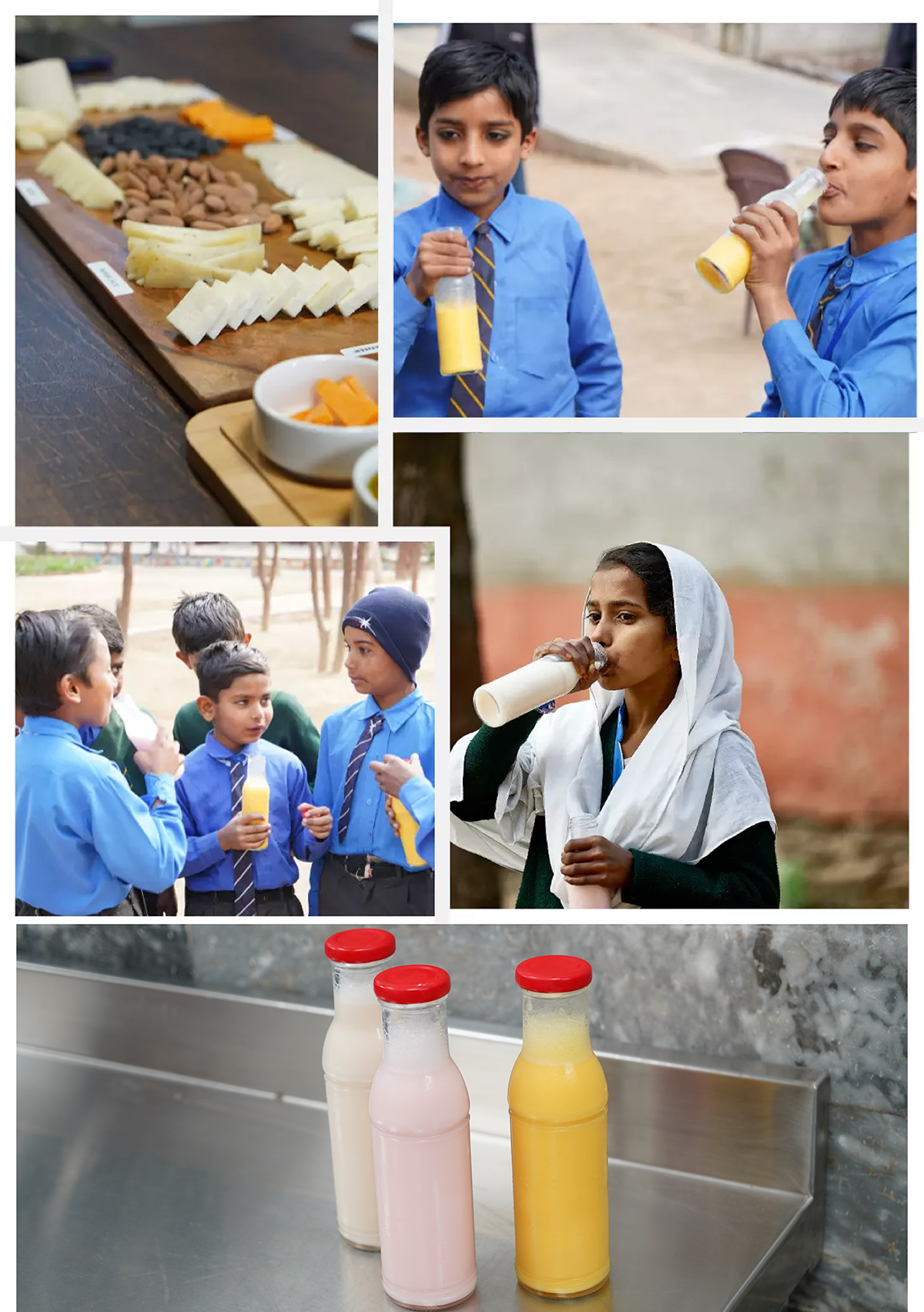
The Whey2Value initiative in Pakistan focuses on converting dairy by-products into affordable, nutritious food while supporting environmental sustainability and economic growth within the dairy value chain.
By utilising whey, a by-product of cheese production that is often discarded, the project reduces environmental strain associated with dairy processing. At the same time, it supports the development of fortified whey-based products designed to improve access to essential nutrients for low-income and vulnerable populations.
The initiative brings together private companies, government agencies, civil society organisations, and academia to co-develop products that are both nutrient-rich and affordable. Through fortification, these products aim to address micronutrient gaps without increasing the retail price per serving.
In parallel, the project strengthens the dairy value chain by enabling local processors and other actors to derive value from whey thereby supporting more sustainable production practices, improving profitability, and contributing to job creation.
The initiative is implemented by Global Alliance for Improved Nutrition Pakistan, with funding from the DANIDA Green Business Partnerships, and in collaboration with partners Arla Food Ingredients (AFI), Danish Industry (DI) and local cheese processing companies.
The Nourishing Food Pathways Programme is a multi-country initiative operating in ten countries, including Pakistan, that accelerates progress towards SDG 2 (Zero Hunger) by supporting inclusive and coherent food systems transformation.
Food systems in many countries face fragmented implementation of national pathways, limited multi-stakeholder collaboration, and gaps in policy translation, institutional capacity, and knowledge sharing.
The programme translates national food systems pathways into implementable actions, promotes collaboration among diverse stakeholders, advances food systems policy priorities, and strengthens capacity building and knowledge sharing.
In Pakistan, it has supported the development of the National Nutrition Research Agenda, formulation of the Healthy Diet Strategy for Balochistan, design and implementation of HEC accreditation for Food Systems Transformation courses, development of a Food Safety Roadmap for Punjab, and formulation of School Meal Guidelines for Punjab.
These efforts are shaping evidence-based policies, enhancing institutional capacity, and fostering partnerships to drive healthier, more sustainable, and resilient food systems.
The programme is funded by the Bill & Melinda Gates Foundation, the Dutch Ministry of Foreign Affairs, and the Swiss Agency for Development and Cooperation, and is implemented by GAIN with over 100 partners across all ten countries.
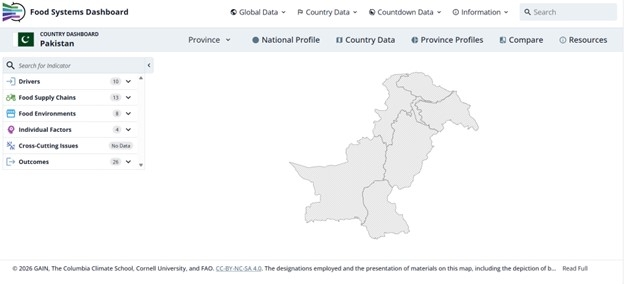
The Subnational Food Systems Dashboard in Pakistan is a comprehensive data platform that provides national, city, and district-level information across a range of key food systems indicators.
In partnership with the Government of Pakistan, the Subnational Food Systems Dashboard was established by GAIN in collaboration with other stakeholders to help national and subnational actors better understand food systems..
After the government took ownership of the dashboard, Pakistan Agricultural Research Council, the Ministry of National Food Security and Research, and GAIN have been leading efforts to strengthen evidence collection, with the federal and provincial Bureaus of Statistics playing an integral role in gathering data across various indicators.
The dashboard bridges evidence gaps by providing credible, granular data to inform food systems decision-making.
It serves as a key resource for tracking progress against indicators, supporting accountability for food systems transformation, strengthening evidence-based policymaking, and improving coordination and integration of policies and actions. It also helps identify transformative actions to improve diets and understand climate impacts, supporting monitoring of food systems over time.
Pakistan is home to one of the largest youth populations in the world, with more than 60% of its people under the age of 30. This demographic presents both an opportunity and a responsibility: equipping young people with the knowledge, skills, and platforms to contribute actively to national development is critical, particularly in addressing nutrition and food security challenges.
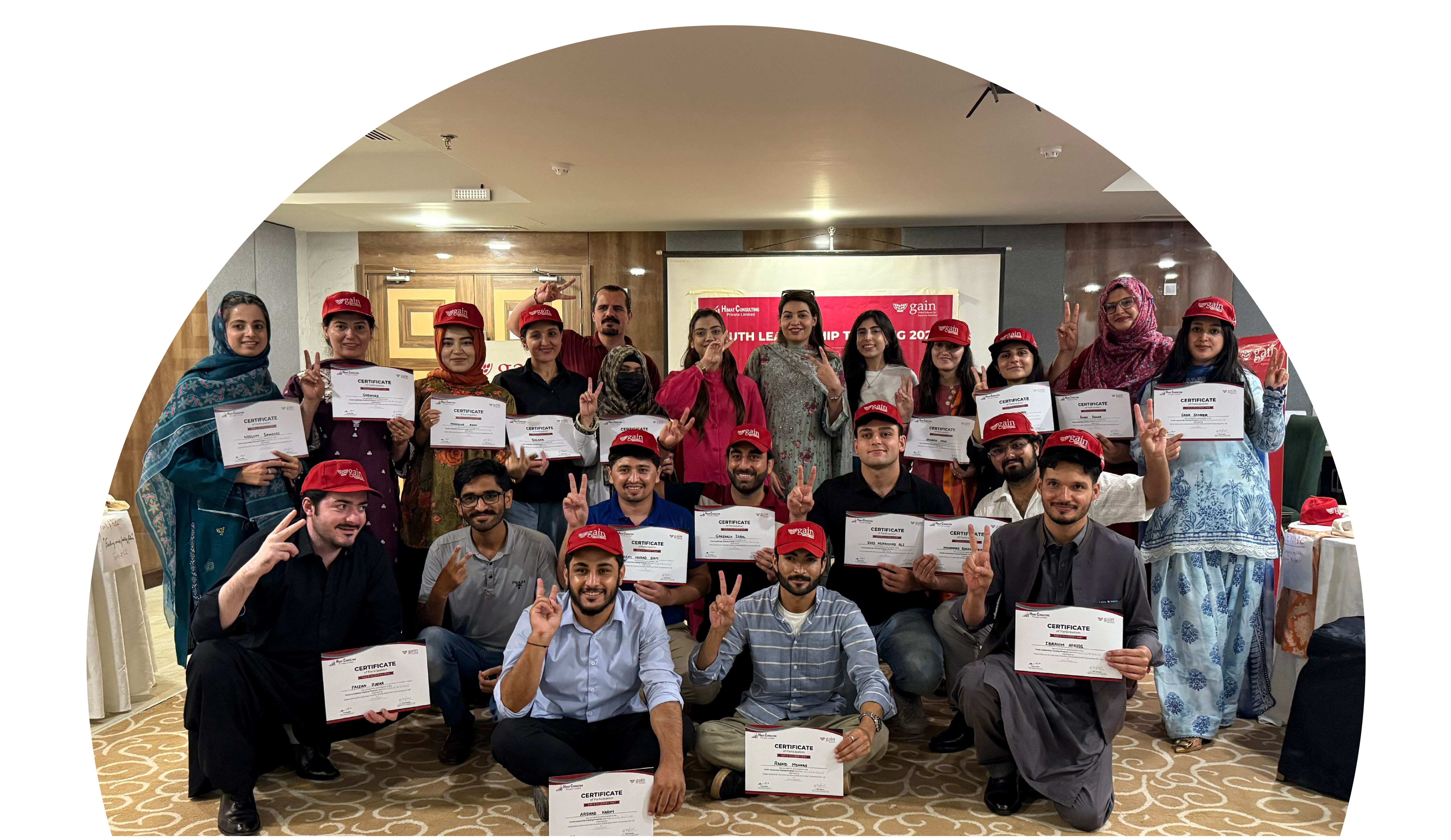
The Youth Leadership Training Program has directly capacitated nearly 200 youth across all provinces of Pakistan, including participants from vulnerable and marginalized areas. These young individuals were trained as Master Trainers, enabling them to strengthen their own leadership skills while mentoring and training other youth within their communities.
Beyond capacity building, the program provides grants to youth leaders to implement their Community Action Plans (Collective Actions), turning ideas into tangible initiatives that improve local food systems. These projects showcase how young people, when supported and resourced, can generate practical, innovative, and community-driven solutions to nutrition and food security challenges.
The program is implemented by GAIN in collaboration with local partners, youth networks, and community organizations to strengthen youth engagement and leadership in food systems across Pakistan.
Launched by the Government of Egypt at COP27, I-CAN is a global, multisectoral initiative designed to strengthen collaboration and resilience at the intersection of climate, nutrition, and health. Core partners include World Health Organization, Food and Agriculture Organization, the UN Nutrition Secretariat, and the Scaling Up Nutrition (SUN) Movement.
In Pakistan, GAIN supports I-CAN by providing technical assistance, promoting knowledge sharing, and coordinating with national stakeholders.
The initiative seeks to integrate nutrition into climate strategies, influencing Pakistan’s National Adaptation Plan (NAP) and Nationally Determined Contributions (NDCs). It provides a coordinated, resilient pathway to tackle climate, nutrition, and health challenges.
By leveraging technical expertise, government leadership, and multi-stakeholder collaboration, I-CAN positions Pakistan as a regional leader in climate-resilient nutrition, contributing to a healthier future for its people.

Pakistan Social protection Pathways
The Social Protection Project is a five-year initiative in Pakistan aimed at improving nutrition and strengthening gender inclusivity within social protection programs, with a focus on food distribution networks (FDNs).
Many social protection programs face barriers at the community level, including limited access to nutritious foods, gaps in gender inclusivity, and insufficient coordination among system actors. These challenges reduce the nutritional impact of FDNs and limit the effectiveness of Social and Behaviour Change Communication (SBCC) interventions.
The project works directly with FDNs to enhance access to nutritious foods, strengthen coordination and oversight, and improve the capacity of networks to provide nutritionally balanced food. It also supports the integration of local value chains and builds a stronger evidence base on the implementation and potential nutrition impacts of SBCC, while fostering awareness and buy-in among system actors for broader uptake and expansion.
The initiative promotes an enabling environment through the establishment of an effective coordination mechanism via a Resource Centre and by improving access to, and demand for, safe and nutritious foods.
The project is implemented by GAIN in collaboration with local FDNs and other stakeholders to strengthen nutrition outcomes and gender inclusivity in social protection programs across Pakistan.