Story One - Rehema Nakamya: How A Market Stall Became A Wellness Classroom
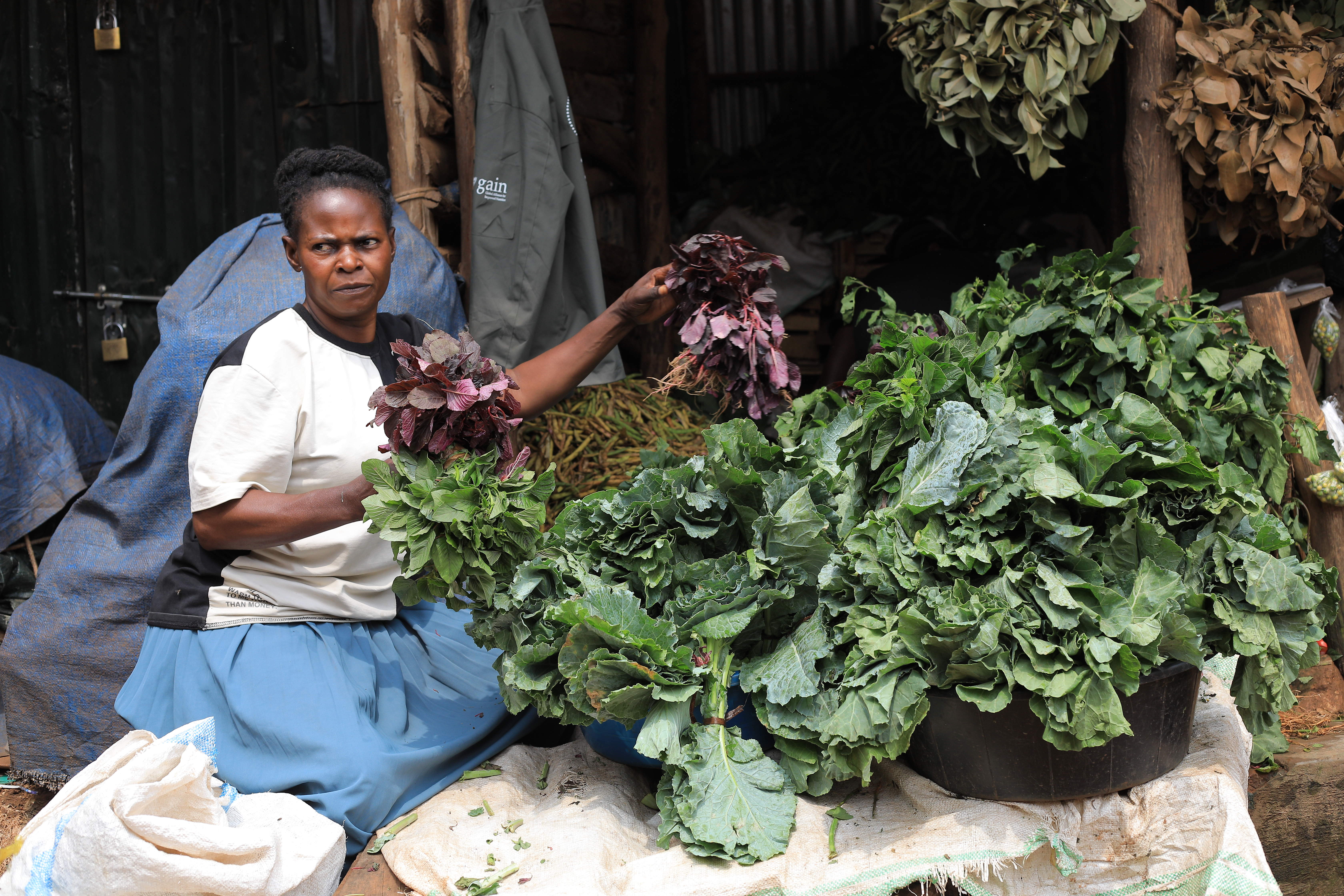
Every morning, before the sun rises above Wakiso, Rehema Nakamya is already awake. The market is still quiet when she arrives at Wakiso Central Daily Market, but her presence is familiar and reassuring.
With hands shaped by years of honest work, she carefully arranges bundles of leafy green vegetables on her stall. To many, she is simply a vendor. To those who have taken time to listen, Rehema is a storyteller, a guide, and a living reminder that wisdom grows with time. Rehema has spent more than fifteen years in this market.
She remembers when Wakiso was less crowded, when everyone knew each other by name, and when buying vegetables was more about routine than choice. In those days, nakati, dodo, and buga were the most popular greens. They were trusted, affordable, and deeply rooted in local culture. People cooked what they knew, and few questioned its value. But Wakiso did not remain the same. Over the years, the area has transformed. New roads were built, people arrived from different regions and backgrounds, and lifestyles began to shift. With this diversity came new consumer habits. Customers started asking for spinach, lettuce, and other “exotic” greens. Some vendors struggled to adjust, but Rehema paid attention. She understood that change was not a threat, it was an opportunity to learn. Instead of abandoning traditional vegetables, Rehema chose to expand her knowledge. She stocked both local and exotic greens, believing there was space for both.
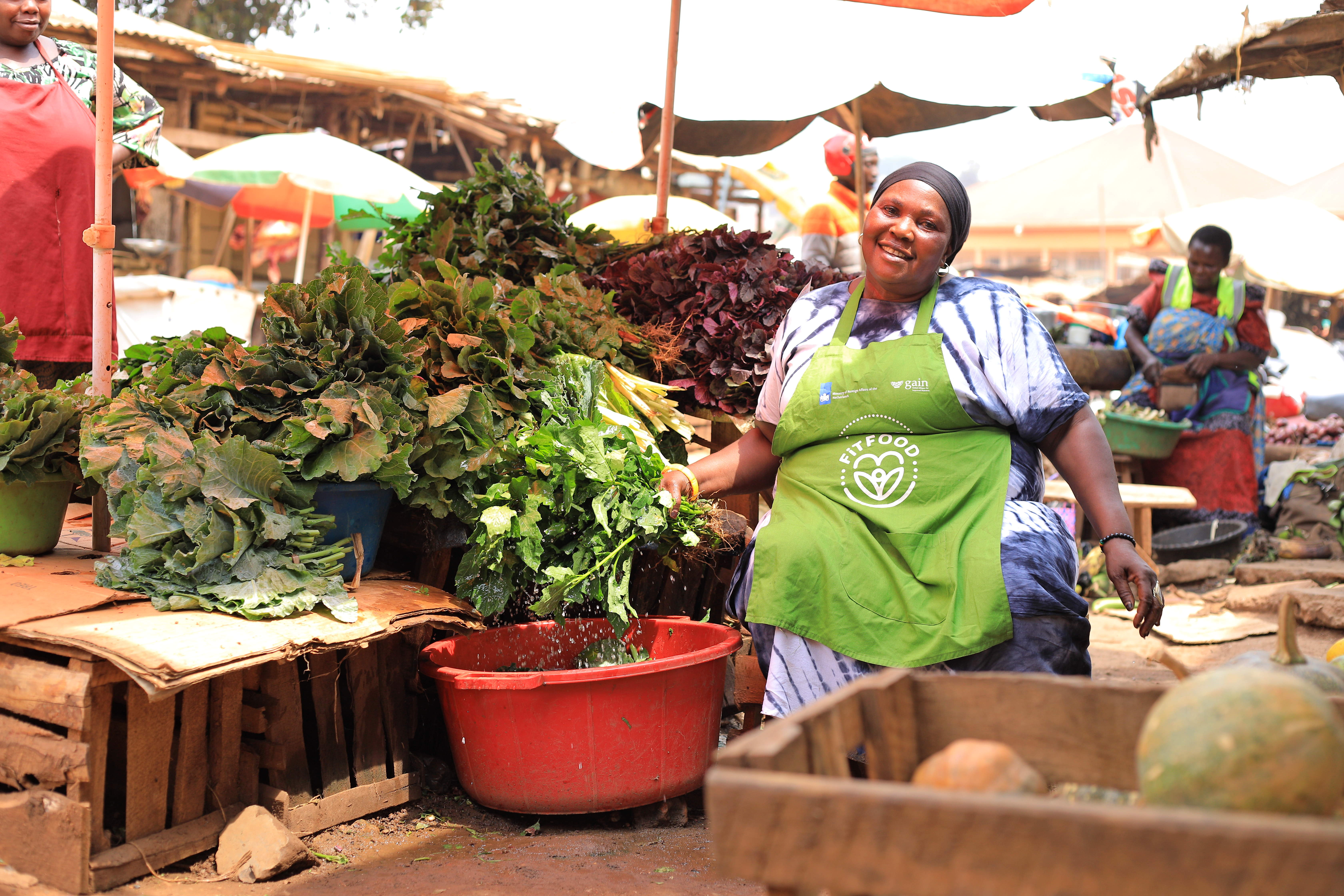
Through initiatives like Fit Foods, she became more involved in promoting healthy eating. She began taking time to talk to her customers, explaining the benefits of including vegetables in daily meals. She spoke about strength, disease prevention, and the importance of balance in diet. Her words carried weight because they came from experience, not theory. Rehema’s wisdom is also reflected in her deep respect for food. She works with trusted suppliers and, whenever possible, buys directly from gardens. She believes that knowing where food comes from is just as important as selling it.
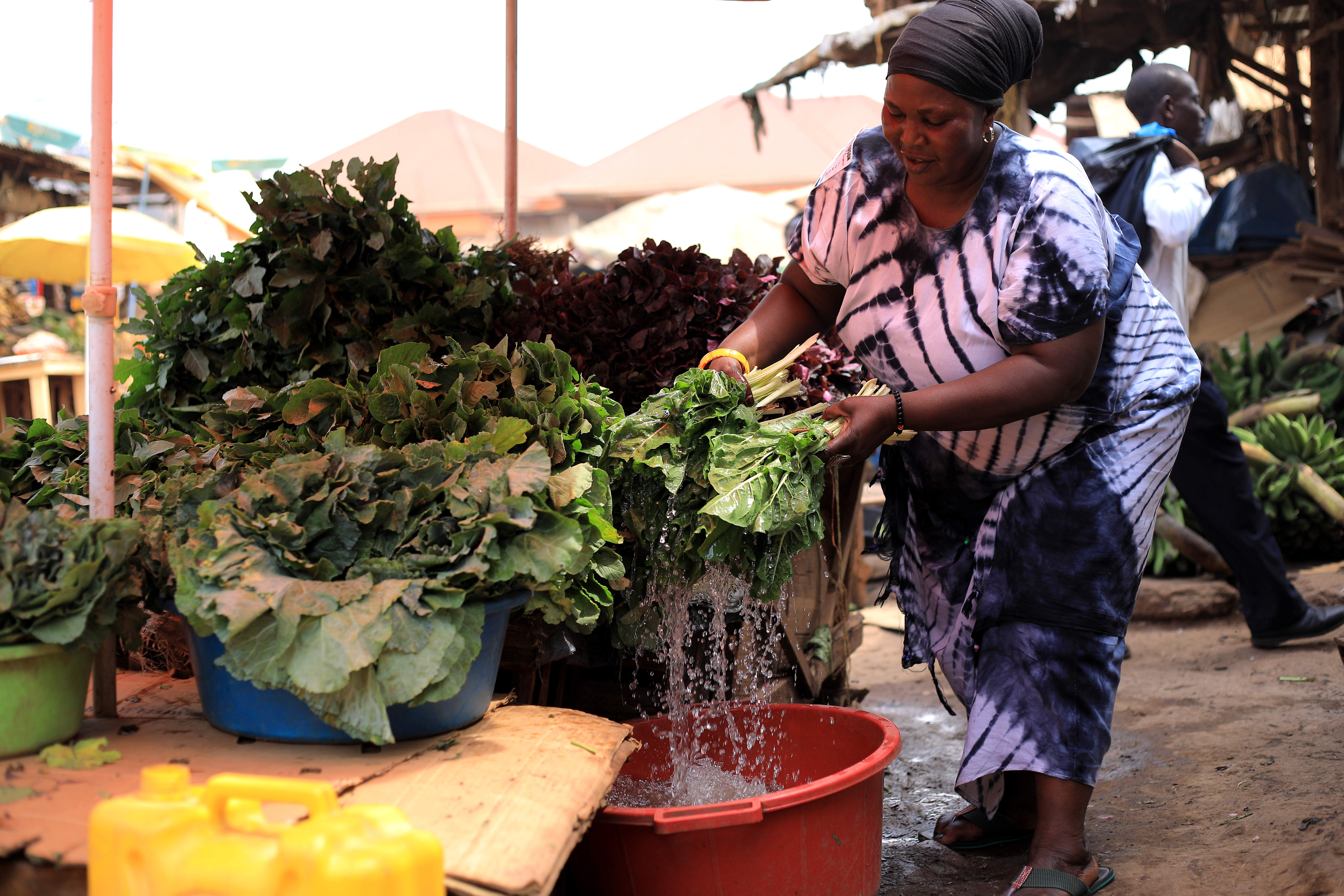
Each morning, the first thing she does is thoroughly wash the vegetables to remove dirt and pesticide residue. Throughout the day, she regularly dips them in fresh, clean water to keep them fresh and vibrant despite the heat of the market.
“This is how you care for vegetables,” she tells her customers. “And this is how you care for your body.” She gives the same advice to mothers, young professionals, and elderly clients alike—wash your greens well, store them properly, and cook them with care. Many of her customers return not just for the vegetables but for the conversation. They ask questions, seek advice, and sometimes simply listen.
In a fast-moving world, Rehema offers patience. Age has taught her that health is not built overnight. It is shaped by small, daily choices, what we eat, how we prepare it, and how we value our bodies. She has seen trends come and go, but she knows that vegetables remain constant in their importance. Whether traditional or modern, leafy greens are a foundation of good living. As Wakiso continues to grow and evolve, Rehema Nakamya remains firmly rooted. Like the vegetables she sells, she is resilient, nourishing, and essential.
Through her dedication, she uses the wisdom of age to encourage her community to eat better, live healthier, and remember that true progress honors both the past and the future. I am Changing Diets and often people underestimate the influence a market vendor has over what ends up on someone’s plate. I see it every day. Once a customer trusts you, they are willing to let you decide for them, what to buy, how much, and sometimes even how to cook it. In that moment, you are no longer just selling food. You are shaping habits, health, and long-term well-being. I take that responsibility seriously.
As a vendor who believes in healthy eating, I make sure that most of what my customers walk away with are leafy green vegetables. I understand that my produce, my advice, and even my personal behavior inform the direction of their diet. That is why I go beyond selling. I talk to people about why greens matter, how to include them in daily meals, and how small changes can make a big difference over time. I also make healthy choices easier.
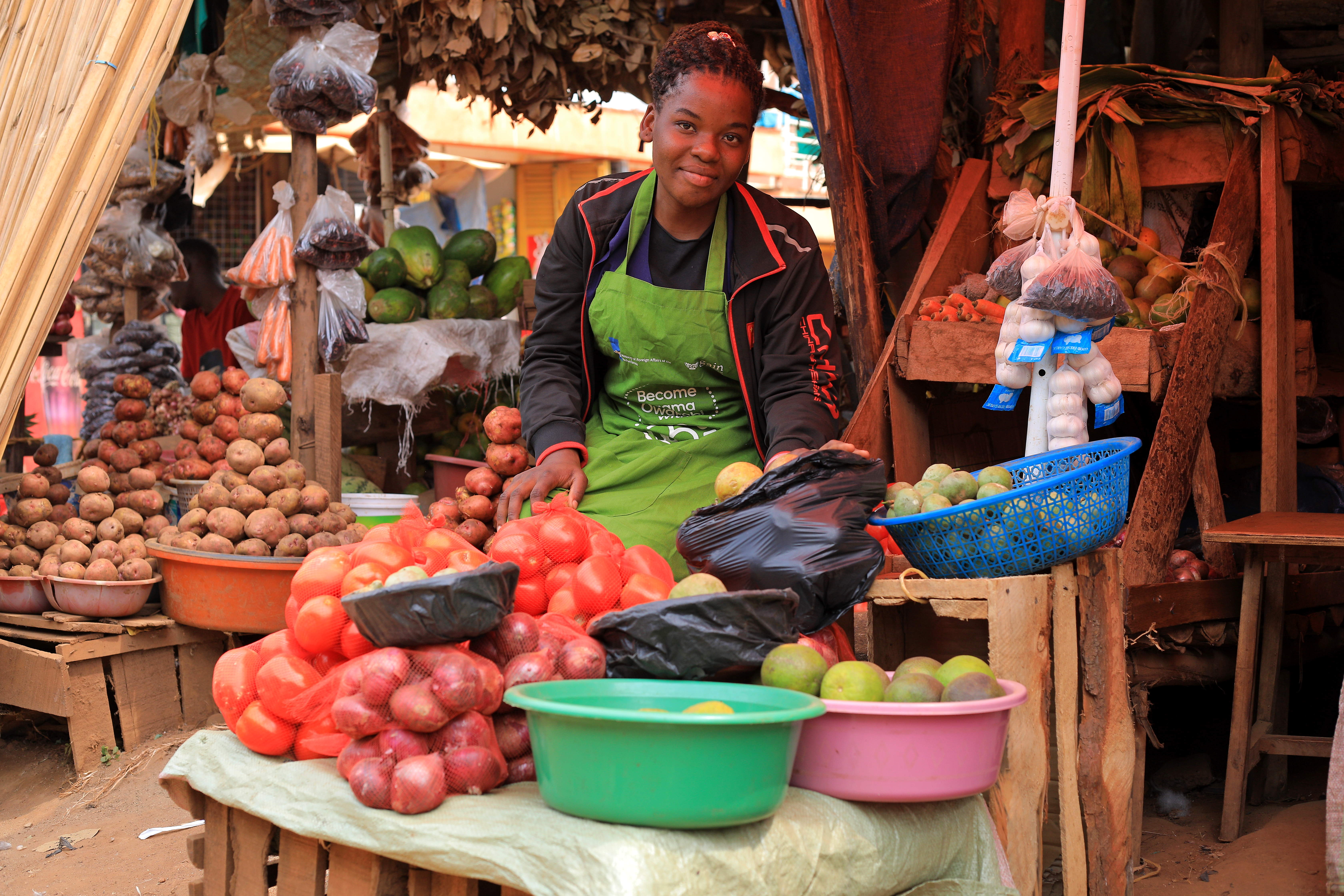
Story Two: Victoria Winyana, A Young Vendor Who Showed Resilience That Kept Her Business Moving

Many people want to eat better but feel overwhelmed by time and effort. So I wash, chop, and prepare vegetables for my customers, reducing the work they have to do at home. All they need to do is put them on the fire. I have learned that convenience is often the missing link between intention and action. Being young has helped me build strong connections with my customers. I relate easily to my peers, and older customers often see me as a daughter they can trust. Our conversations go beyond food. We talk about family, work, and daily struggles. Through these relationships, I am able to influence eating habits in a way that feels natural, respectful, and lasting.
My name is Victoria Winyana, and I have been working as a market vendor for two years. I entered this trade out of necessity.
When I could no longer continue with school, I realized I had to find a way to earn my own income. Formal jobs were limited, so I chose self-employment. I started with a Shs150,000 loan from my mother, which I used to buy my first stock of vegetables. It was not much, but it represented independence.
The market was challenging at first. Many people doubted that a young woman like me would survive in such a demanding environment. But I stayed. Over time, I built a loyal customer base, especially among young people who saw themselves in me. I understand how my generation lives. Many of us want quick meals and simple solutions. Instead of judging those choices, I work with them. By preparing vegetables in advance, I make it easier for young people to choose greens instead of skipping them altogether. I have seen how this small service changes behavior. Beyond selling, I encourage people to grow their own vegetables whenever possible. It gives them control over what they eat and confidence in the safety and freshness of their food.
Through nutrition and food safety training provided by organizations like GAIN, I have gained knowledge that strengthened my commitment to this work. I now understand how deeply food choices are connected to health, dignity, and opportunity. That training changed how I see myself. I am not just a vendor. I am a role model. I am part of the food system, and my daily actions influence how people eat and live. What began as a way to survive has become a purpose. I know now that I am touching lives, quietly, consistently, and meaningfully.
My long-term goal is to transition into farming so I can grow and sell fresh, safe vegetables myself, creating a direct link between the garden and the consumer. I may not have a large online following, but my influence is real. It happens face to face, in conversations at the market, in trust built over time, and in the small choices people make at the end of the day. I am a young woman who started with very little. But through resilience, care, and belief in the power of green vegetables, I am helping shape healthier lives, one customer, one meal, and one bundle of greens at a time.

Story Three: Rose Nabasirye Shapes Meals, Shapes Lives
For more than twenty years, Rose Nabasirye has worked in the informal food economy, an ecosystem that feeds millions yet is often overlooked in global health conversations. From her vegetable stall, Rose does far more than sell produce. She translates nutrition knowledge into daily practice, influencing how people cook, eat, and think about vegetables. “This work is rewarding,” she says, “especially when you have enough capital to expand what you offer.” But for Rose, success is not only measured by sales. It is reflected in repeat customers who return with questions, curiosity, and growing confidence in preparing vegetables at home.
These small recommendations often lead to bigger changes. Customers return not only to buy greens, but to discuss recipes and combinations they have tried at home. By exploring how different vegetables work together, Rose helps transform vegetables from a routine purchase into a creative and enjoyable part of meals. This approach makes healthy eating feel accessible rather than prescriptive.
The Market as a Nutrition Classroom Rose sees the market as a space for informal education. Through everyday conversations, she introduces ideas about dietary diversity, taste, and balance, core principles of good nutrition. Her influence is built on trust developed over decades and on advice that respects local food cultures. Customers learn by doing, guided by someone who understands their preferences, budgets, and cooking realities. In this way, Rose bridges the gap between nutrition knowledge and actual consumption, a challenge central to global health efforts.

The Power of Visibility and Trust One of the most transformative aspects of Rose’s journey has been her involvement with GAIN’s Fit Foods initiative. The branding, she says, has changed how people engage with her stall.
“People are curious about Fit Foods,” she explains. “It starts conversations.”
The visible association gives her work a sense of credibility and professionalism, reinforcing customer trust. For Rose, this recognition matters, not only for business, but for confidence. Being part of an organized initiative validates her role as a contributor to healthier food systems.
An Essential Link in the Food System Rose’s story highlights the often-unseen power of market vendors in shaping nutrition outcomes. With experience, training, and community trust, she exemplifies how informal food workers can act as frontline influencers for healthy diets. In a world searching for scalable solutions to improve nutrition, Rose’s work offers a reminder that meaningful change does not always begin in laboratories or policy rooms. Sometimes, it starts at a vegetable stall, where knowledge, culture, and care meet daily demand.

Story Four - Jamada Nduga, The Supplier Behind Every Fresh Plate
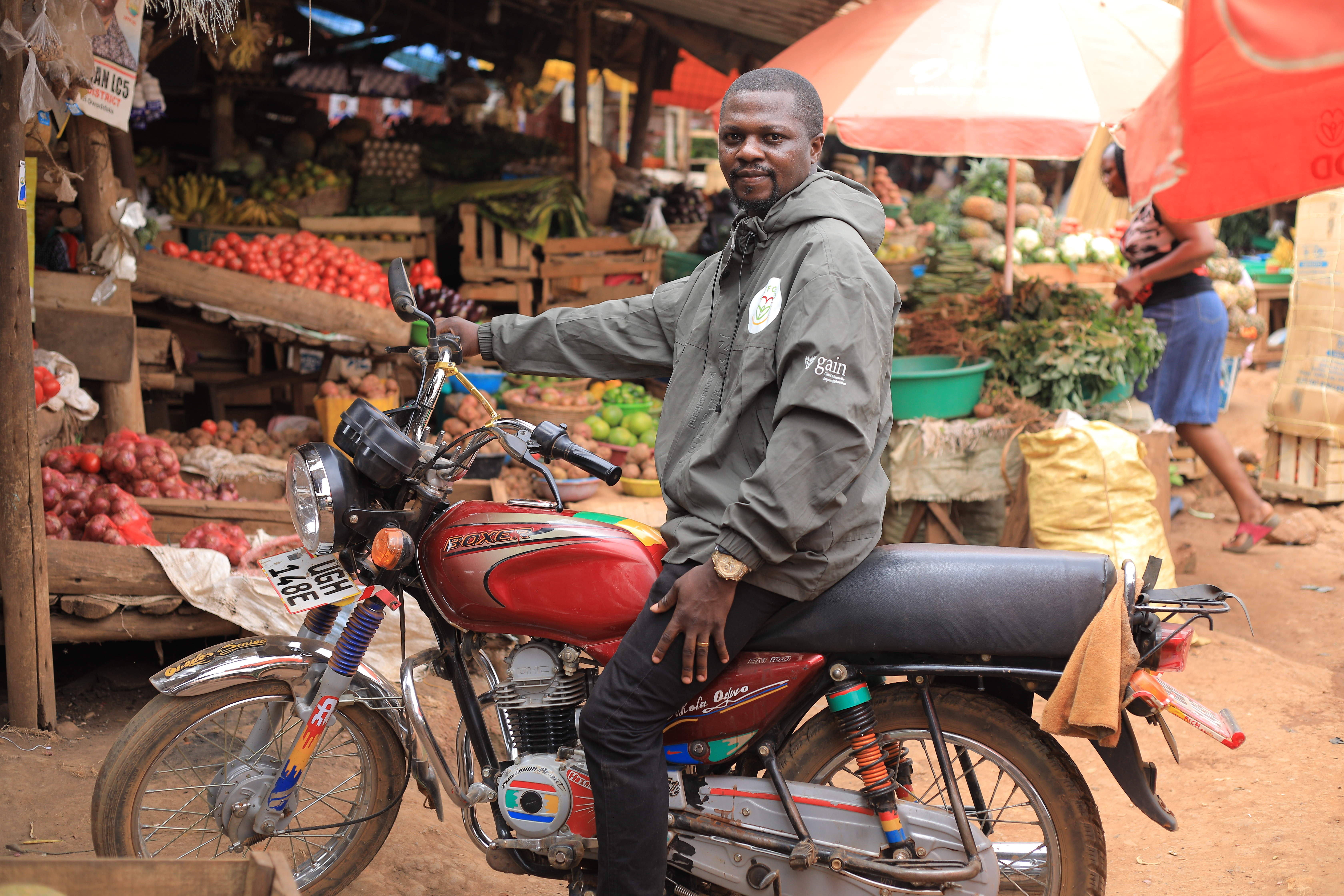
Every morning before the market comes alive, Jamada Nduga is already on the move. For over a decade, he has navigated the countryside, visiting farms in villages like Mpata, Katukwe, Mweera, and Banda, selecting vegetables that are fresh, safe, and nutritious. For Jamada, this is not just a job, it is a responsibility. The choices he makes determine not only what vendors sell, but ultimately what families eat. In a world where nutrition is increasingly central to health outcomes, his role is quietly essential.
“My job is to scout for the healthiest produce in the farms,” Jamada explains. “I go through many villages every week to find vegetables that are fresh and free from harmful chemicals. What I bring to the market affects what people eat and their health. I take that seriously.”
Jamada’s work bridges two critical points in the food system; the farmer and the vendor.

Many smallholder farmers grow nutritious vegetables but struggle to access markets where their produce can fetch fair prices. Vendors, on the other hand, rely on consistent supplies of high-quality produce to attract customers. Jamada fills that gap, ensuring that both sides benefit while also promoting better nutrition. “Being a supplier is more than delivering vegetables,” he says. “It’s about connecting farmers who work hard with vendors who want to sell quality food, and in the process, ensuring that families have safe and healthy vegetables on their plates.”
Over the years, Jamada has learned to read the land and understand the seasonal cycles of different crops. He can identify healthy, vibrant vegetables at a glance and knows which farms follow safer practices. This expertise has earned him the trust of both farmers and vendors, creating long-term relationships that make the supply chain more reliable and sustainable. His work also carries a financial impact.

Being part of initiatives like GAIN’s Fit Foods project has expanded his network significantly. “The biggest benefit is the connections it has created,” Jamada says. “It has linked me to more vendors and farmers, which has helped my business grow. On a good day, I can make about Shs 1 million. That has improved my family’s livelihood and allowed me to invest in other areas, like education and household needs.” Yet the advantages of this work extend beyond money.
Through training programs, Jamada has gained knowledge in business management, food safety, and nutrition. “I have learned that it’s not just about selling vegetables,” he explains. “It’s about making sure people get food that is good for their health while running a professional and sustainable business.” These skills have not only improved his efficiency but have also elevated his status within the market. Vendors see him as a trusted advisor, and farmers view him as a reliable partner. Jamada’s influence on nutrition is subtle but significant.
By choosing fresh and safe produce, he ensures that the end consumer receives food that is both healthy and appealing. While many global nutrition campaigns focus on education for consumers, Jamada demonstrates the power of upstream interventions; those that improve the quality of food before it even reaches the kitchen. His work is also a story of resilience and dedication. Traveling between villages is physically demanding, and weather conditions are unpredictable. Yet Jamada approaches each day with purpose. “Every trip I make is an opportunity to improve diets and livelihoods,” he says. “I think about the families who will cook these vegetables, and that motivates me to choose the best every time.”

For Jamada, the market is more than a place to sell produce, it is a space for building community. Farmers, vendors, and customers all rely on him not only for vegetables but also for guidance and reassurance. His role illustrates how local actors in food systems can drive meaningful changes in nutrition, health, and economic development. In a world where food systems are complex and often fragmented, people like Jamada Nduga are vital. His work reminds us that improving nutrition is not only about policy or campaigns, but also about the everyday choices of individuals who connect farmers to families, knowledge to practice, and food to health. Through his expertise, dedication, and integrity, Jamada is quietly shaping healthier communities, one vegetable at a time.