Social Protection School Feeding Case Study-Ethiopia
01/22/2026 -Blog
01/22/2026 -Blog
A child’s diet is central to their long-term development, health, and well-being. For children, access to healthy diets can be instrumental for doing well in school, and ultimately shapes a child’s ability to attain a dignified, productive livelihood and decent quality of life in the future.
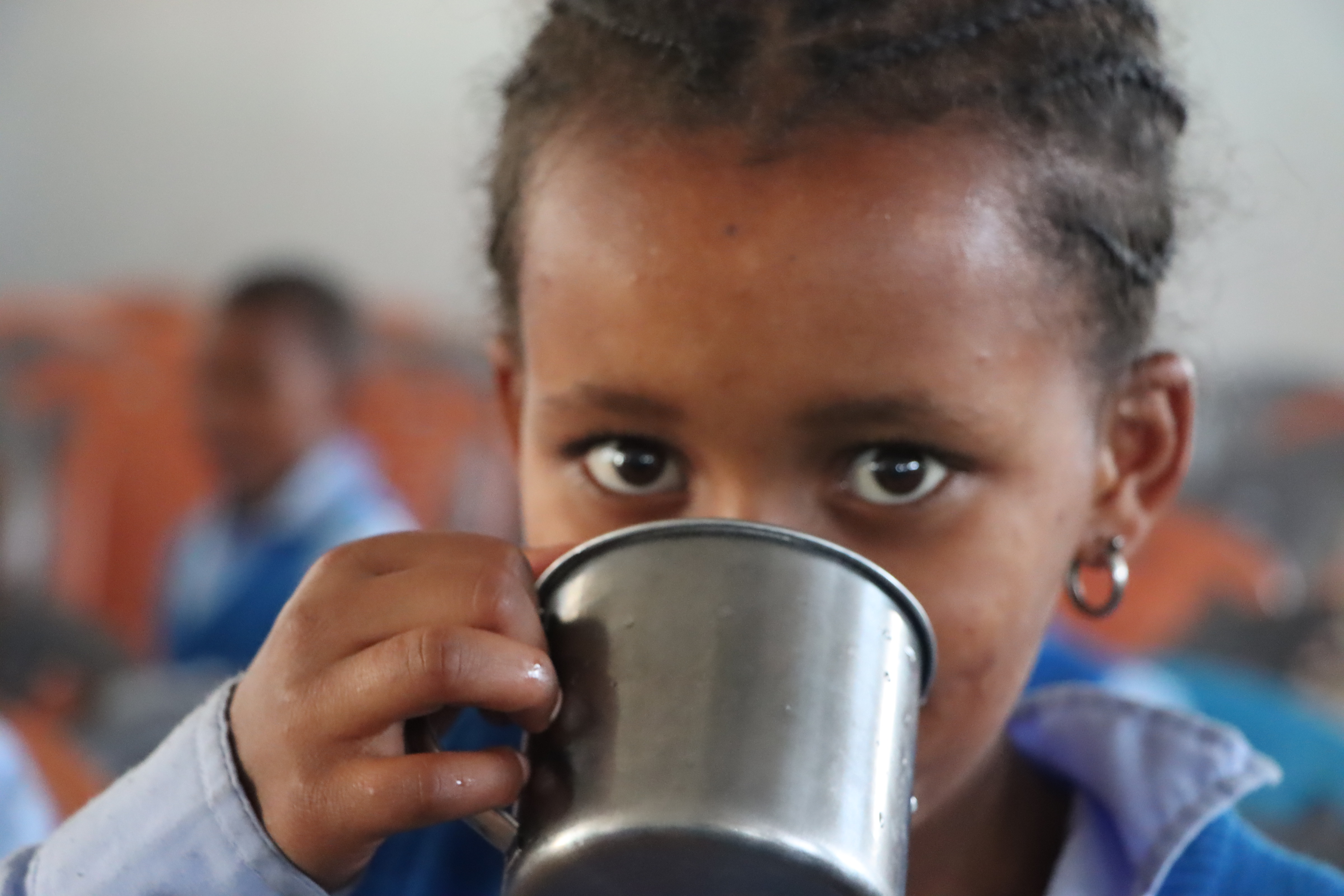
In Ethiopia, however, too many children are missing out on the nutritious food they need to grow and thrive. Only 14% of school-aged children receive a diverse diet (Ethiopian Food System Dashboard, 2019)., leading to significant health issues such as stunting and micronutrient deficiencies.
Reduced immunity, low concentration, and school dropout correlate with the limited frequency, diversity and quality of children’s diets.
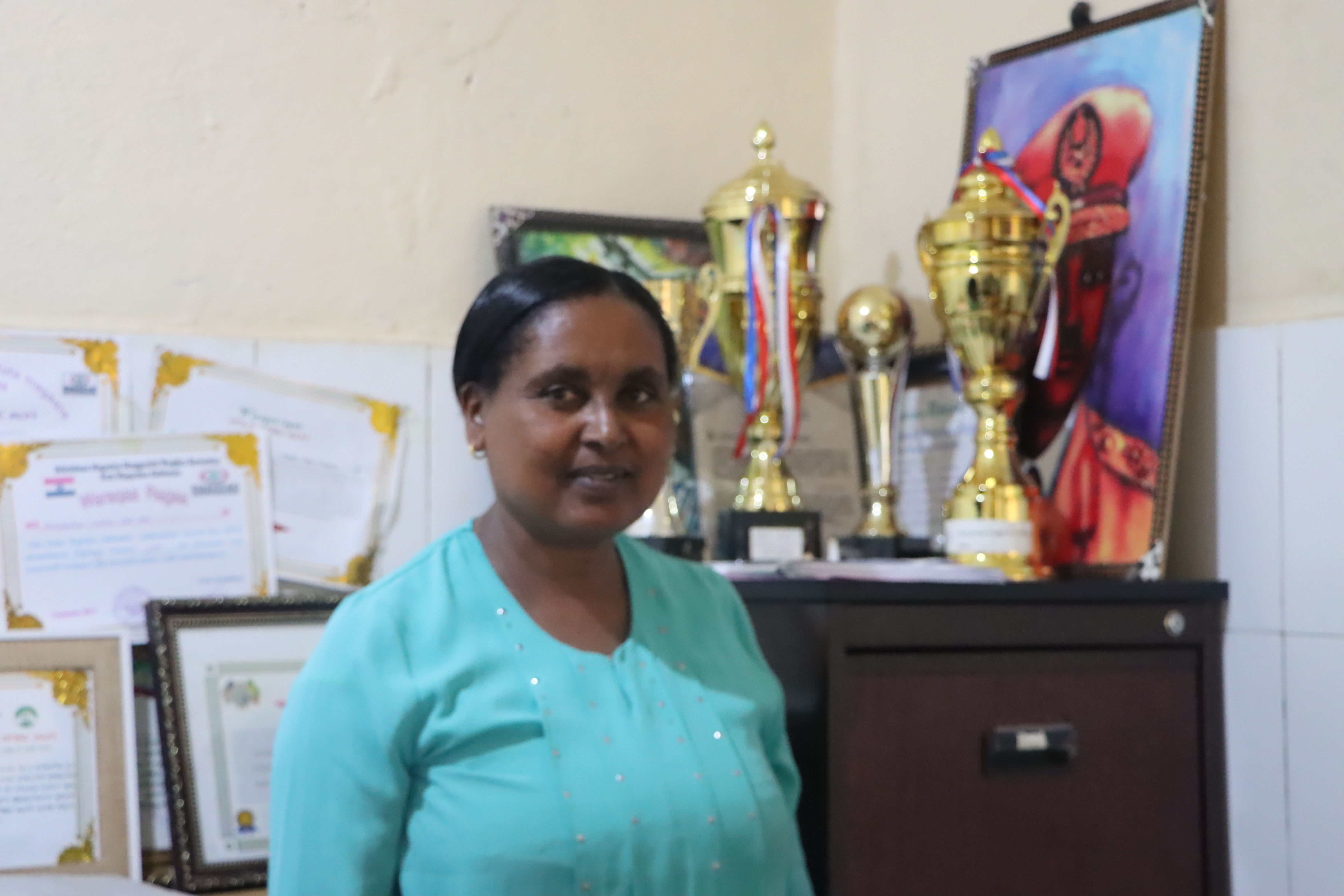
Tigist Gelaw, a social sciences teacher at Mulugeta Gedle School in Sebeta, Sheger City explains. “I love teaching, it makes me happy to spend my day with young minds.” Even so, Tigist says there are days where she can’t bring herself to teach seeing her students struggle due to their poor diets.
Sometimes they faint. So we go out and buy what we can for them, some biscuits and water to get them through.
It’s an economic issue,” stresses Tigist. “Many of these families can’t afford to give their kids breakfast before school, let alone a nutritious one”.
Tigist’s experience is one all too familiar for educators across the continent and illustrates a perilous relationship between malnutrition and educational attainment. Research has shown that malnutrition is a direct determinant to a child’s performance in school, often leading to poorer academic performance. According to the Cost of Hunger Study in Africa, stunted children complete an average of 1.1 fewer years of schooling, and in 2009, stunting was linked to 16% of all primary school grade repetitions in Ethiopia (World Food Programme, 2020).
In fact, more than half of Ethiopians cannot afford the least expensive healthy diet. Per person, it costs $4.78 per day ($1744.7 per year) to meet the most basic requirements set out in national dietary guidelines. With a per capita income of $1,133 as of 2024 – a basic healthy diet is far beyond the reach of a large share of the population, highlighting the severe gap between income levels and the cost of adequate nutrition. School feeding as a critical safety net
School feeding has long been identified by the government of Ethiopia as a critical tool to curb this challenge, initially as an emergency initiative, followed by pilot programmes. The government has committed to Home Grown School Feeding programmes including developing a policy framework, resource mobilisation strategy and setting standards via menu booklets.
.
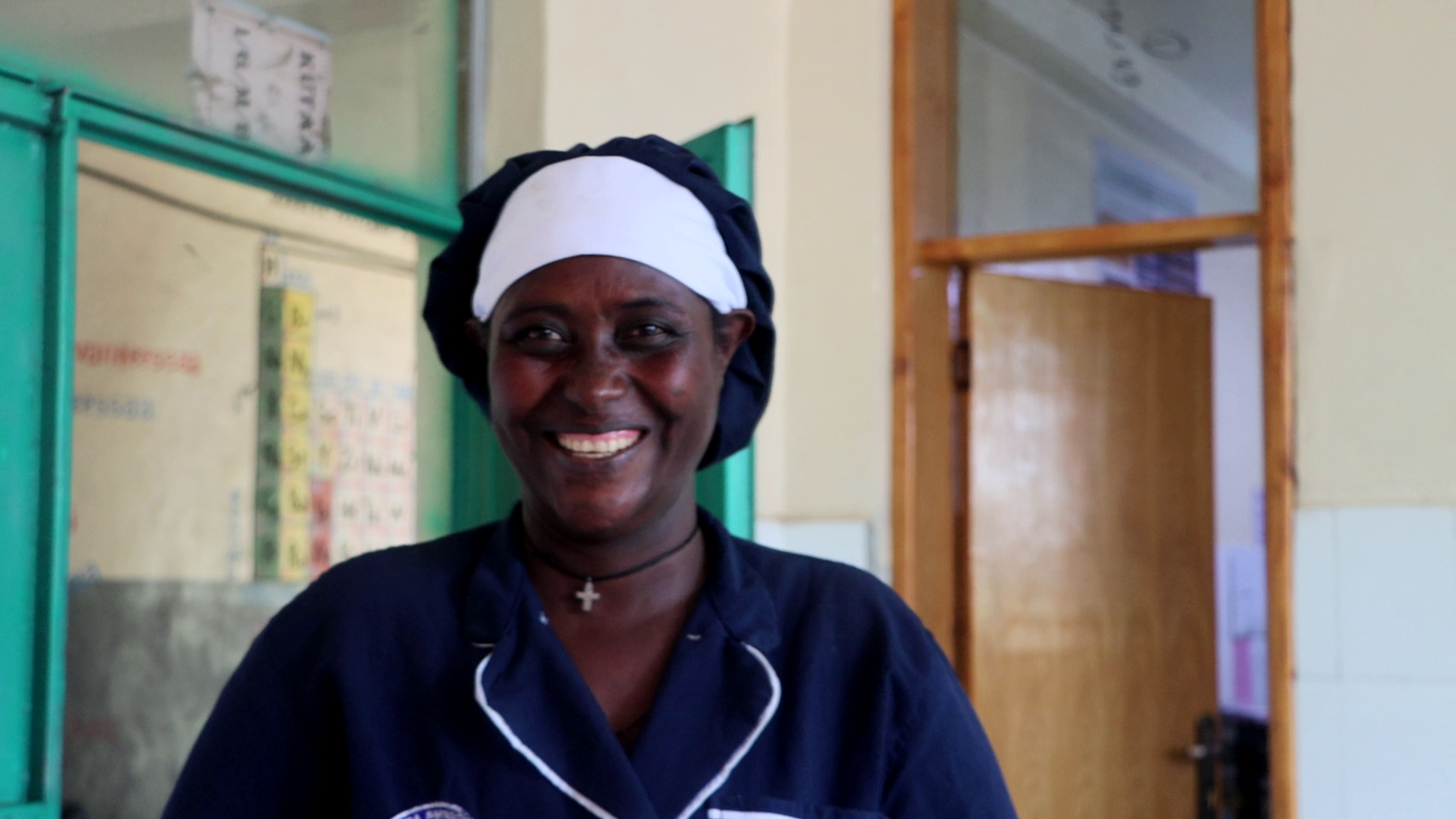
GAIN spoke to a parent at Mulugeta Gedle School, Shilimu Gidelew, who has 3 sons and 3 daughters and for whom, school feeding became a critical safety net for her family. “Their (children’s) father is no longer with us,” says Shimilu.
I would provide whatever I could with what I have, but I know it was never enough.
As a day labourer at the time, school feeding was a life-line to her family.
Established in Sebeta, Sheger City in 1948, Mulugeta Gedle has long served as an anchor for many vulnerable groups in the community,
As Tigist Gelaw explains, several social, political and economic paths lead to their status today. “I have students that are refugees staying with family members in Sebeta, and even some that work as maids for families when they’re not at school”.
Tigist Kebede, has served as the School’s Director since 2019. She says 2,969 students now attend the school.
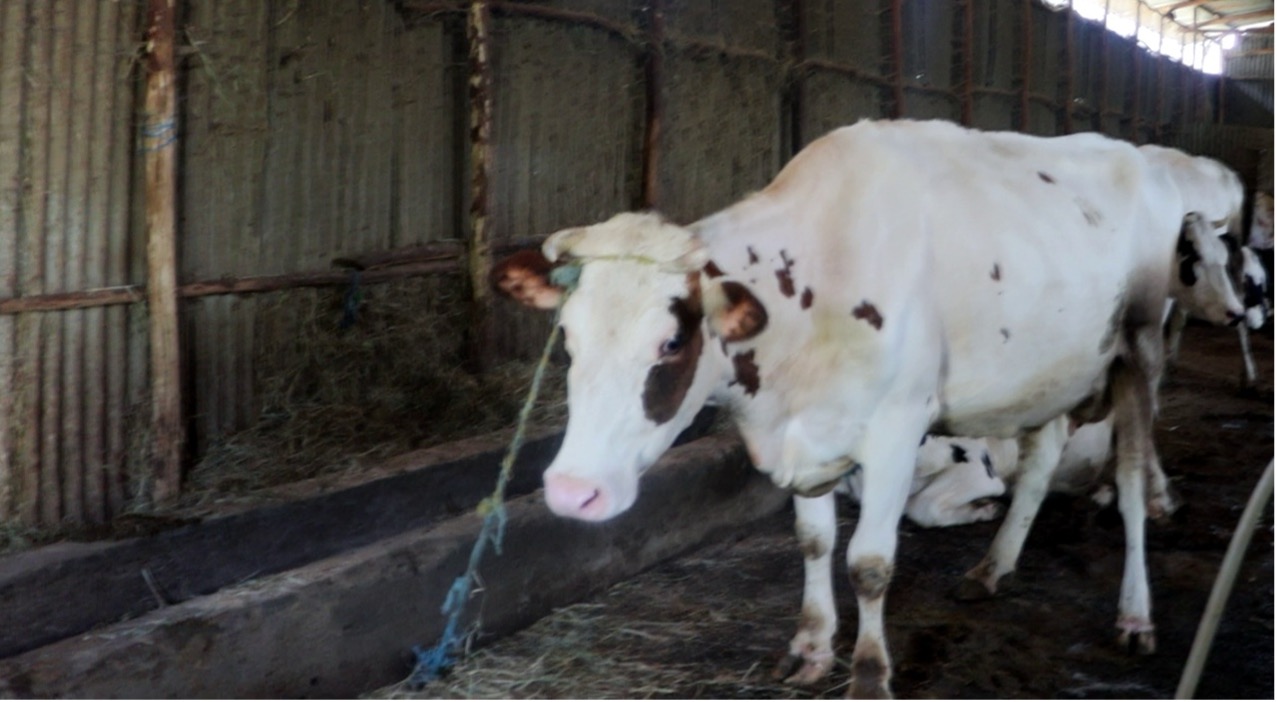
In 2015, the school received 10 cows from the Ethiopian School Meal Initiative (ESMI) to provide milk to students. ESMI also established dairy farm infrastructures and assigned a focal person to manage the feeding of the cows for one year,
and handed this over to school with some amount of seed money to sustain the program.
“But we could not go on.The price of feed got out of hand,” explains the Director, “and at the same time we received many more students”. The dairy output dwindled until they could only provide milk to less than a hundred students per week in 2019.
“Despite our effort to care for the cows, the school stopped feeding milk since 2019 due to a high number students and unaffordable cost of cow feed. . The school started to sell milk to the community to cover only the forage cost.”
In fact, that was a really challenging moment for me,” added Tigist Kebede, feeling guilty for this disruption, despite the support and effort of ESMI for the initiative’s sustainability.
“I began to give up,” admitted Tigist. “GAIN’s project sparked the idea of solving this issue sustainably.”
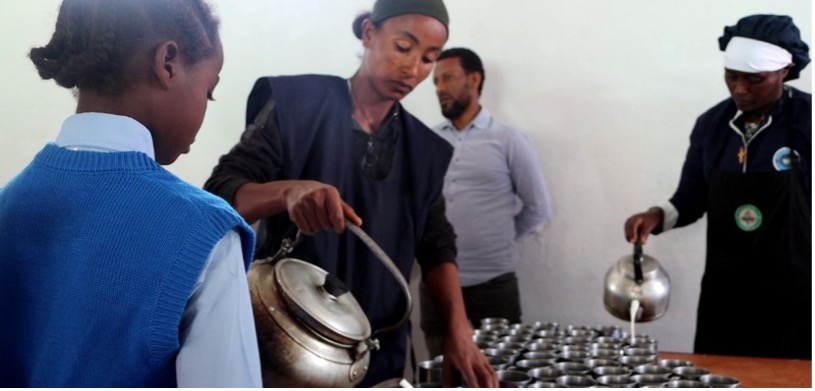
Recognising that the best solutions come from the communities that understand their lived experiences, GAIN led the revival of the dairy feeding, aiming to reach 480 students weekly. Using the Human-Centred Design (HCD) approach, the Social Protection/School Feeding Project brought governmental and non-governmental organizations, the school, community, and the parent committee together to identify solutions through a rigorous HCD process that assessed critical challenges and supported identification of feasible models for dairy inclusion in existing school feeding programs.
To address the high cost of cow feed, GAIN is supporting the school to improve internal resource utilization, working in close collaboration with the school community, parent committee, and other government stakeholders. The partnership was critical in supporting problem solving, improving capacity in resolving resource gaps and designing a replicable model to sustainable home grown school dairy provision.
Today, 550 students receive dairy, reaching 70 more students than initially targeted. The school and its stakeholders are currently working on opportunities to make the current dairy scheme self-sustaining, while exploring other ways to better serve their students.
The findings, ideas, and conclusions presented on this website are those of the authors and do not necessarily reflect positions or policies of any of the agencies mentioned above.
This case story was produced under GAIN’s Nourishing Food Pathways programme which is jointly funded by:

The findings, ideas, and conclusions presented on this website are those of the authors and do not necessarily reflect positions or policies of any of the agencies mentioned above.

Ethiopia, Country Director
Project Officer, GAIN

Communication Manager, Demand Generation
Research Lead-Healthy Diets, Knowledge Leadership, GAIN

Head of Communications, GAIN

Intern, Communications and Social Media ( Children and Young People )