Building Nutrition-Sensitive Social Protection in Indonesia:
How Partnerships Turned Evidence to Action
BLOG | 2nd April 2026
How Partnerships Turned Evidence to Action
BLOG | 2nd April 2026
Indonesia has made impressive strides in improving nutrition since 2013, with reduction in stunting, undernourishment, and wasting, reflecting strong commitment from the government, development partners, and civil society. Yet progress remains uneven. Anaemia among pregnant women has declined far more slowly, leaving Indonesia nearly 17 percentage points short of the global target.
Data from the recent Micronutrient Gap Analysis (MGA) conducted by GAIN reveal that while wealthier households achieve adequate micronutrient intake, the poorest quintile still falls below recommended levels for nearly all essential nutrients. This means millions of Indonesians—especially women and children—are still not receiving the nutrients they need to thrive.
One pathway to closing this gap is through fortified rice, and partnership has been key to making this a reality.
GAIN Indonesia works works closely with the National Food Agency (NFA) to pilot the distribution of fortified rice in social protection programmes targeting vulnerable households. Together, GAIN and NFA are taking a multifaceted approach to scale-up the provision of fortified rice, including integrating fortified rice into existing systems, aligning monitoring and quality assurance processes, and optimising operational feasibility. This partnership lays the foundation for generating credible evidence and sustaining policy and budget support for fortified rice in the social protection system in the years ahead.
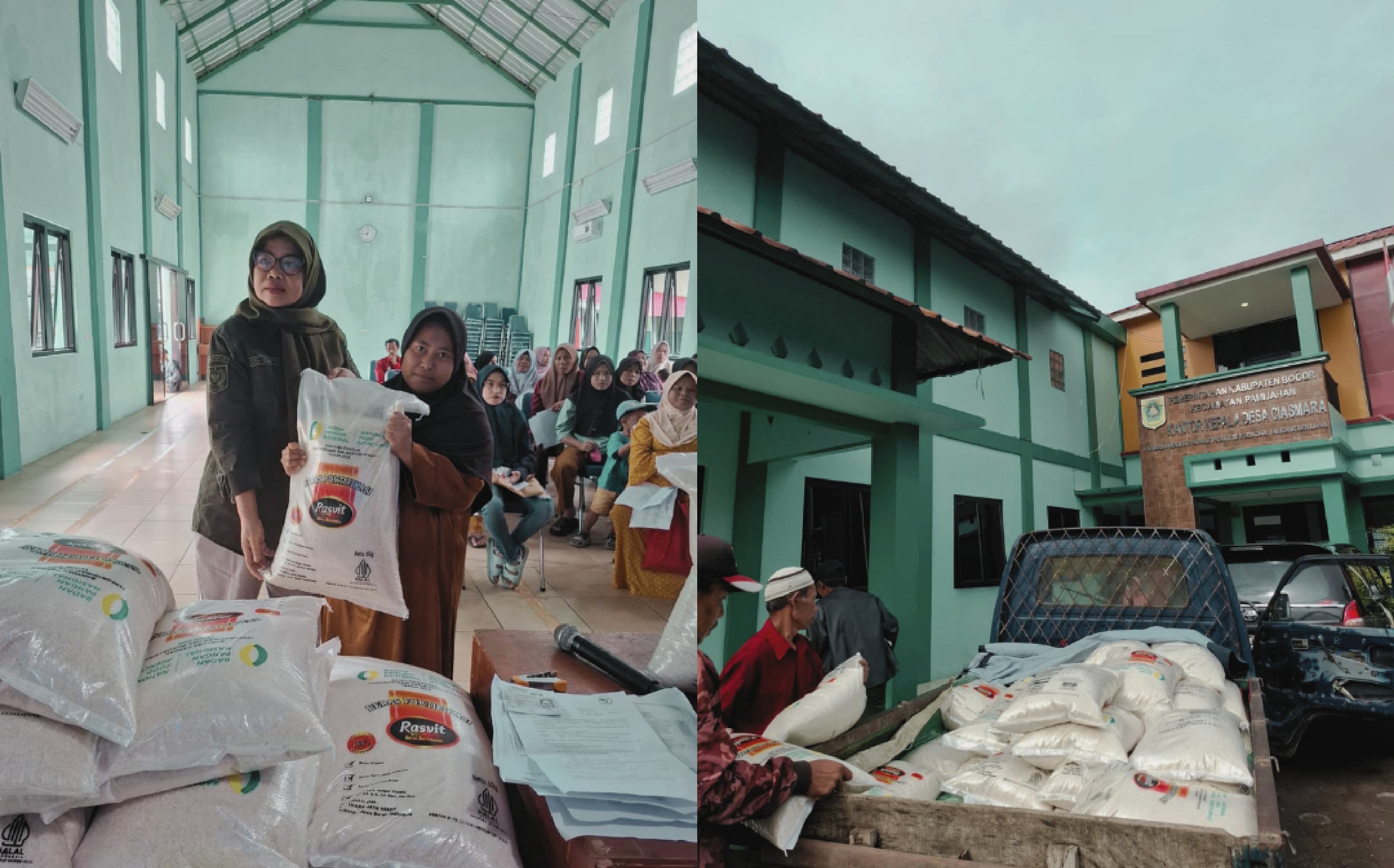
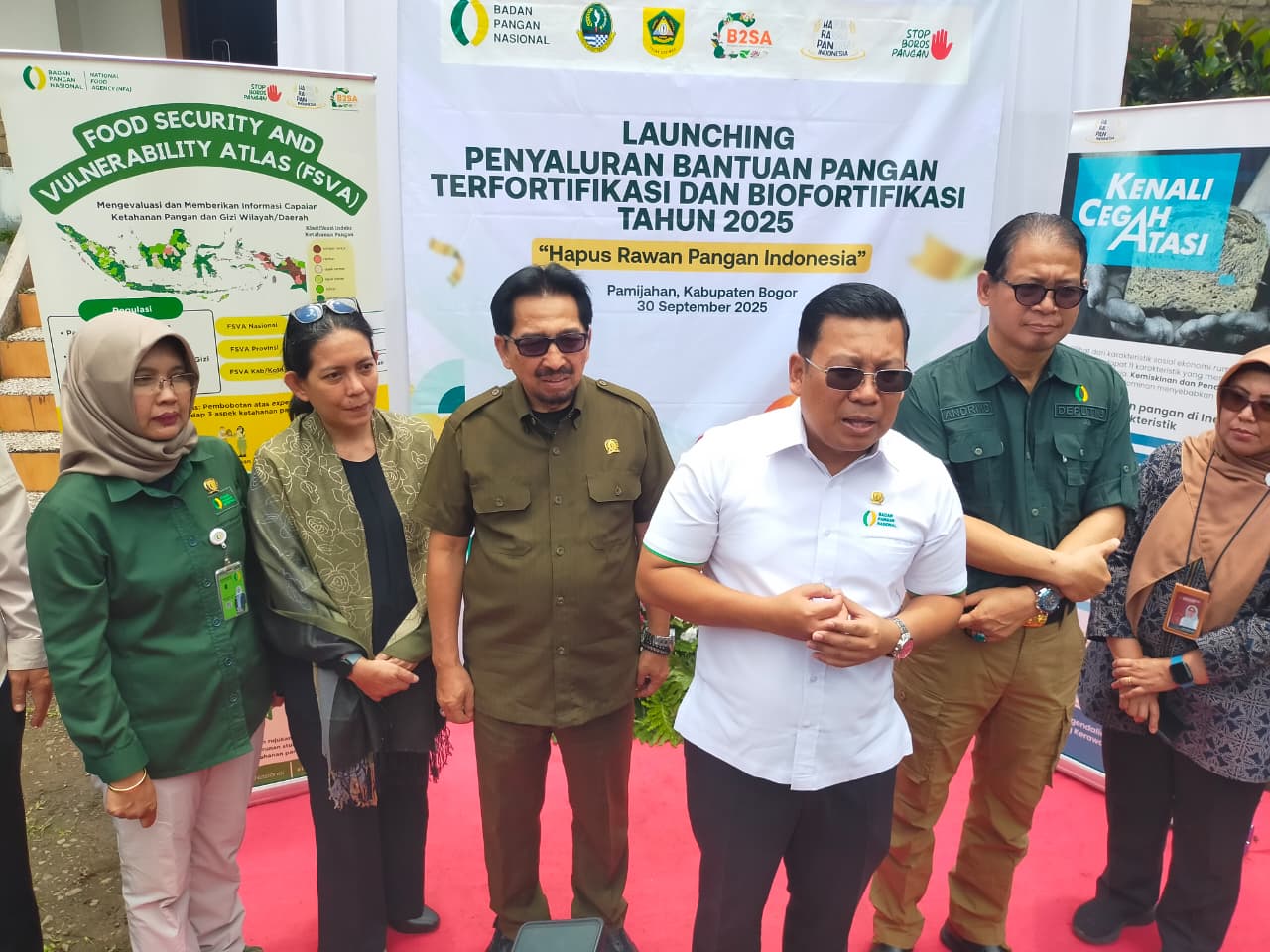
A major milestone was reached recently with the launch of fortified rice distribution through NFA’s food assistance programme , ensuring that fortified rice is now reaching households in food- and nutrition-insecure areas. This marks a significant shift from providing food for calories to providing food for nutrition, aligning with the long-term vision of Indonesia Emas 2045, which emphasises human capital development and resilient food systems. The integration of fortified rice is formalised through a Regulation of the Head of NFA No 9/2025 on the Strategic Plan of the National Food Agency 2025–2029, signalling that this is not simply a pilot but part of an emerging institutional direction.
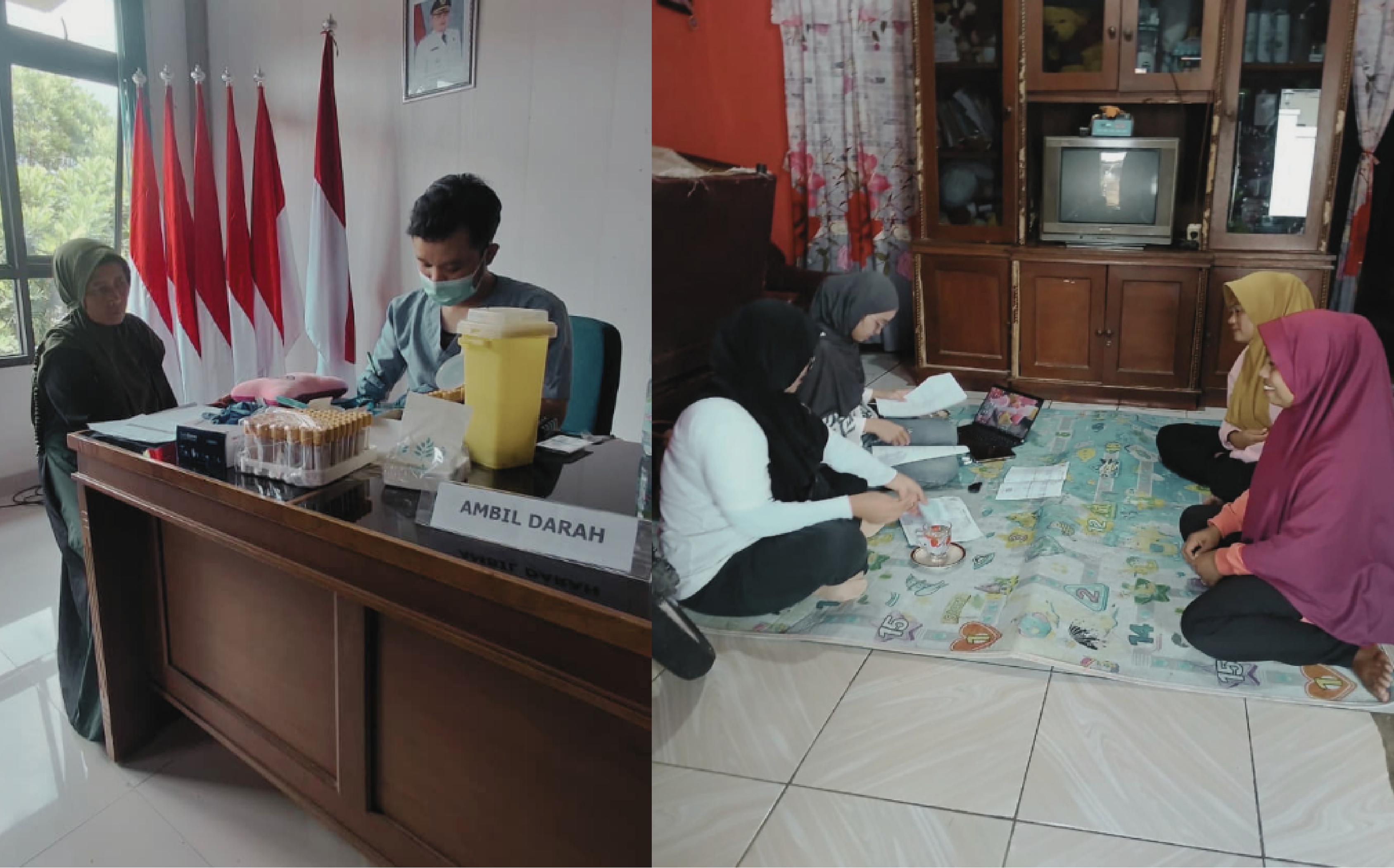
GAIN worked alongside academia and NFA to turn evidence into action—from generating scientific evidence and facilitating policy dialogue to supporting implementation. Through Human-Centered Design (HCD)-based Behaviour Change Communication (BCC) , GAIN is helping households understand the health benefits of fortified rice, build trust in the product, and encourage proper use to reduce the risk of resale.
At present, however, budget allocations remain limited. Moving from phased implementation to national scale will require stronger and sustained financing. GAIN will continue to work alongside government partners to advocate for this next step.
Filling Indonesia’s micronutrient gap: Potential of fortified rice
Working with the Ministry of Health and other partners, GAIN conducted a comprehensive analysis of the rice supply chain to identifying opportunities and bottlenecks for fortification at scale. Using data from the 2023 national socio-economic survey (Susenas) and individual food consumption survey (SKMI) 2014, the Micronutrient Gap Analysis revealed that even when calorie intake is sufficient, many Indonesians, particularly in low-income households, lack key vitamins and minerals such as iron, zinc, folic acid and several types of Vitamin B. The findings highlighted that the gap needs to be addressed by adding nutrients to a vehicle (in this case, rice) and rice fortification as a practical and impactful solution to close nutrient gaps across income levels. This way, GAIN built a strong evidence base to inform policy and programming.
However, evidence alone does not drive change. GAIN worked hand-in-hand with the government and academia to turn research into policy. GAIN, along with partners developed a policy brief and roadmap outlining practical steps to integrate fortified rice into social protection programmes. GAIN also supported advocacy dialogues feeding into the national medium-term development plan (RPJMN) 2025–2029, ensuring rice fortification became part of Indonesia’s broader food systems transformation agenda where 100% of rice food assistance will be fortified by 2029.
Parallely, GAIN also provided technical support to the Ministry of Health in drafting the micronutrient enrichment composition standards for rice fortification and become an active member of the Large-Scale Food Fortification (LSFF) Forum, a national platform that brings together government, private sector, and development partners. Once adopted, these standards will anchor a common specification for fortified rice used in food assistance programmes, helping to ensure consistent quality, align formulations with population nutritional needs, and create a more transparent and cost-efficient procurement system. By setting a mandatory reference point, the standards can support fairer pricing across suppliers and strengthen accountability in the delivery of fortified rice through social protection.
To move from policy to practice, GAIN partnered with NFA on pilots and effectiveness studies to test fortified rice distribution within social protection. These included sensory evaluations and acceptability testing to ensure the product met consumer preferences. To address risks such as resale, GAIN applied its HCD-based BCC approach to build public trust and encourage proper use.
Importantly, the pilot also influenced food assistance beyond the national programme. In 2025, Bogor District allocated its own budget to reach 300 households with fortified rice and has committed to scaling up to 1,000 households in 2026. This local adoption demonstrates how national pilots can catalyse subnational investment and accelerate the transition toward nutrition-sensitive social protection.
Through these efforts, GAIN helped bridge data, policy, and implementation, working alongside government and partners to make nutrition-sensitive social protection a reality for Indonesia.
Indonesia' social protection system is extensive, reaching over 50 million households and 40 million students in 2025 through programmes such as Non-Cash Food Assistance (Bantuan Pangan Non-Tunai, BPNT), the Free Nutritious Food Programme (Makan Bergizi Gratis, MBG), and the food assistance from Rice Reserves Programme (Cadangan Pangan Pemerintah, CPP). While BPNT provides vouchers or cash transfers, MBG and CPP directly distribute food, making them ideal entry points for fortified rice integration. Leveraging these platforms can transform social protection from a basic safety net into a powerful tool for improving nutrition and public health.
To achieve national scale, Indonesia must take several key steps:

Head of Programmes at GAIN Indonesia

Program Coordinator, Youth & Food System and Social Protection.