
GAIN Working Paper Series 27 - Conceptualising and assessing food affordability
- 15/03/2022
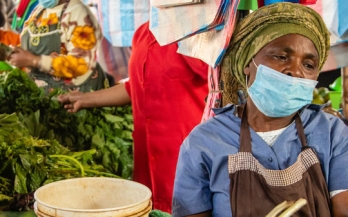
Affordability is a key barrier to accessing nutritious foods, particularly for lower-income consumers. Several measures of food affordability have been proposed and used in the research literature. This paper reviews the concept of food affordability, discusses the limitations of existing measures, and makes recommendations for improvements. Food affordability measurement is typically based on income, social safety nets, or expenditures.
War in Ukraine poised to threaten global food security
The war in Ukraine is a catastrophe for that country and for the world. The loss of food production and exports from Ukraine (and to some extent Russia) will push world food prices up as the lack of supply fails to meet demand. High energy prices due to the loss of production, trade and the sanctions imposed will do the same, making food production, distribution and preparation more costly. Higher food and fuel prices will lower people’s income for other necessities such as clean water, sanitation and health care.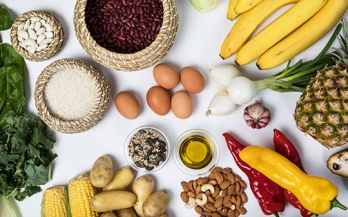
Micronutrient-dense foods to combat malnutrition
Malnutrition comes in many forms. Hunger, stunting, and wasting can have severe consequences that are all too visible. A related form of malnutrition—deficiencies in essential vitamins and minerals—often goes unnoticed yet can wreak havoc on the immune system, hinder growth and development and, in extreme cases, lead to death. This “hidden hunger” is the result of poor diets lacking in essential micronutrients.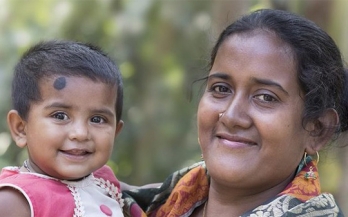
International Women's Day
In this op-ed, the Global Alliance for Improved Nutrition Sadia Kaenzig, Head of Communications and Bhuvaneswari Balasubramanian, India Programme Lead, challenge the world’s leaders to end the silent scourge of female hunger and work towards a more equitable and inclusive food systems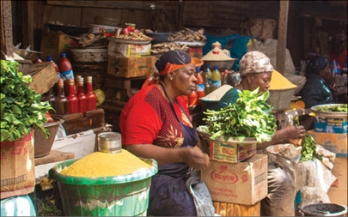
Shaping Gender-Sensitive Approaches to Food Safety in Traditional Markets
This blog highlights findings related to gender from EatSafe's formative research. Women’s empowerment and gender equity are central to reducing the burden of foodborne illness and integral research, learning, and evaluation of food safety interventions.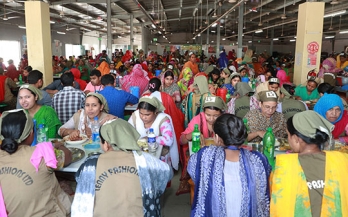
GAIN Working Paper Series 26 - Gender power dynamics for supporting workforce nutrition
- 07/03/2022
Over half the global population spends one third of their adult life at work, and a third of the global population also suffers from some form of malnutrition. This paper reviews prior research on gender issues in the workplace, with the objective of clarifying the implications of these norms for workplace nutrition programming in low- and middle-income countries.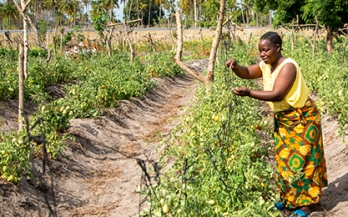
Science of new IPCC report makes clear: we ignore Food Systems at our peril
The latest IPCC report marks a step change in recognising links between food and the climate crisis. Food systems, which are mentioned 350 times in the report, are already creaking under the pressure of multiple climate shocks, changing weather patterns, ecosystem collapse and degradation of land, soils and waterways.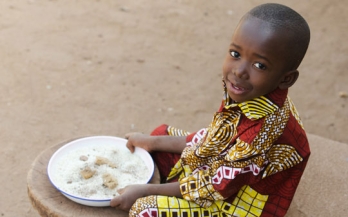
GAIN Discussion Paper Series 10 - Transforming Food Systems to deliver nutritious foods: The vital roles of Fortification and Biofortification
- 24/02/2022
An estimated 2 billion people globally are affected by micronutrient deficiencies, while around one third of the global population is at risk of at least one micronutrient deficiency. Micronutrient deficiencies, also known as hidden hunger, can be linked to significant disease burden and economic loss.