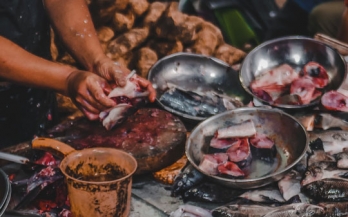
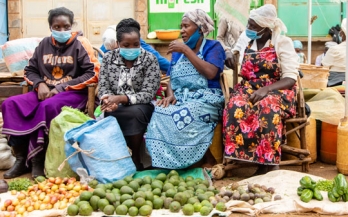
Session: Achieving Zero Hunger Nutritiously and Sustainably
"We are truly the first generation with a real chance of ending hunger and malnutrition". GAIN Executive Director and Chair for the UN Food Systems Summit Action Track 1 Lawrence Haddad noted as he opened the Achieving Zero Hunger session at the United Nations Food Systems Summit.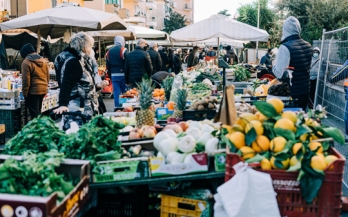
A working guide for Urban Food Listing
- 09/08/2021
As the importance of national level information on dietary intakes in low- and middle-income countries is increasingly recognized; reliable methods, tools and guides to support the compilation of quality food and nutrient intake data are needed. In general, guidance on how to adequately prepare for a dietary survey prior to embarking on data collection is scarce.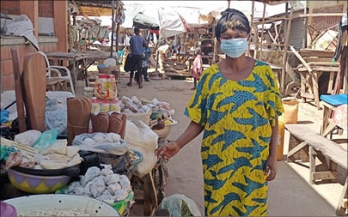
Multi-Country Market Reports: Vendor and Consumer Perspectives on COVID-19
- 09/08/2021
Understanding the rapidly changing situation for vendors in traditional markets and the consumers that rely on these markets can provide vital information for determining what is needed to ensure the availability of affordable, safe, nutritious food during the COVID-19 pandemic.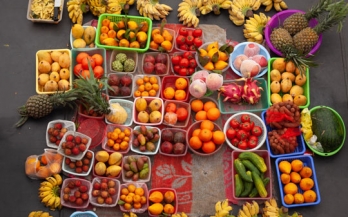
Incentives and opportunities for the inclusion of SMEs in the business accountability landscape
- 29/07/2021
In January 2021, GAIN published its latest report "Business Accountability for Better Nutrition" listing concrete ways to improve business accountability by using a number of existing reporting tools to assess business impact on nutrition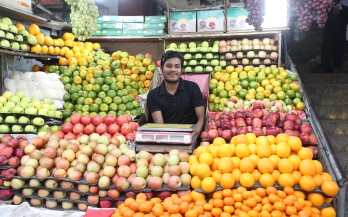
Sprinting through the super year for food
EP 10
Tune in to Episode 10 Sprinting through the super year and preparing for the marathon to 2030 to…
23 Minutes▶ Play this episode

Towards a Coalition on the true value of food: Making markets work for healthy & sustainable food
Online Webinar, Global
By redefining the value of food through True Cost Accounting and redesigning the economics of food through true pricing, market players and governments can increase the true value food markets create for society. In this session, both the science and practical examples will be discussed.
Closing the evidence gap for food systems transformation – enabling access to data and providing evidence to monitor progress
Online Webinar, Global
This session will feature a multi-sectoral panel from across Action Tracks and Innovation Levers focused on the challenges and opportunities for more and better data, more useful data, and more data use for food systems transformation. It will feature a moderated panel discussion followed by an open Q&A.
Youth, Businesses, and Food Systems: Act4Food Act4Change Youth-led Round Table
Online Webinar, Global
Act4Food Act4Change is a youth-initiated and led campaign in support of the UNFSS and the GoodFood4All campaign. It brings together young people from around the world to focus on their personal actions as a contribution to food system change. It urges governments, businesses, UN agencies, youth counterparts, and people of all ages to pledge to act boldly and promptly.
Leveraging social protection for poverty reduction, food security, nutrition and decent work
Online Webinar, Global
On July 26 at the Pre-Summit, we will jointly discuss solutions and opportunities to promote better food security, nutrition, decent work and inclusive and sustainable livelihoods with a group of governments, civil society, academic, and international organizations.