





Explore the full nutrition crisis in Pakistan
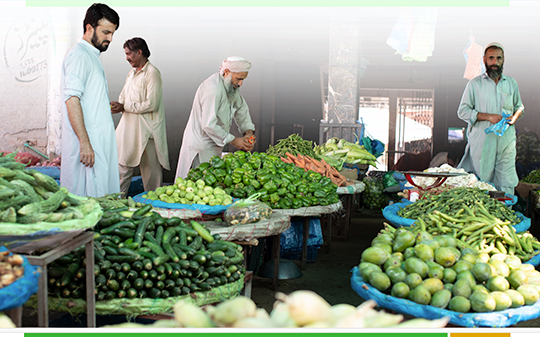
Diet is the number one risk factor in the burden of disease and is a central driver for all forms of malnutrition. The State of Food Security and Nutrition in the World (SOFI 2025) highlights an acute food security crisis in Pakistan characterized by seemingly everlasting high food prices, pervasive inability to purchase healthy and nutritious diets. Only 33% of the population in Pakistan can afford to buy food that is safe and healthy compared to the global average of 58%. Furthermore, Pakistan is still among the ten countries with the greatest fluctuations in food prices.
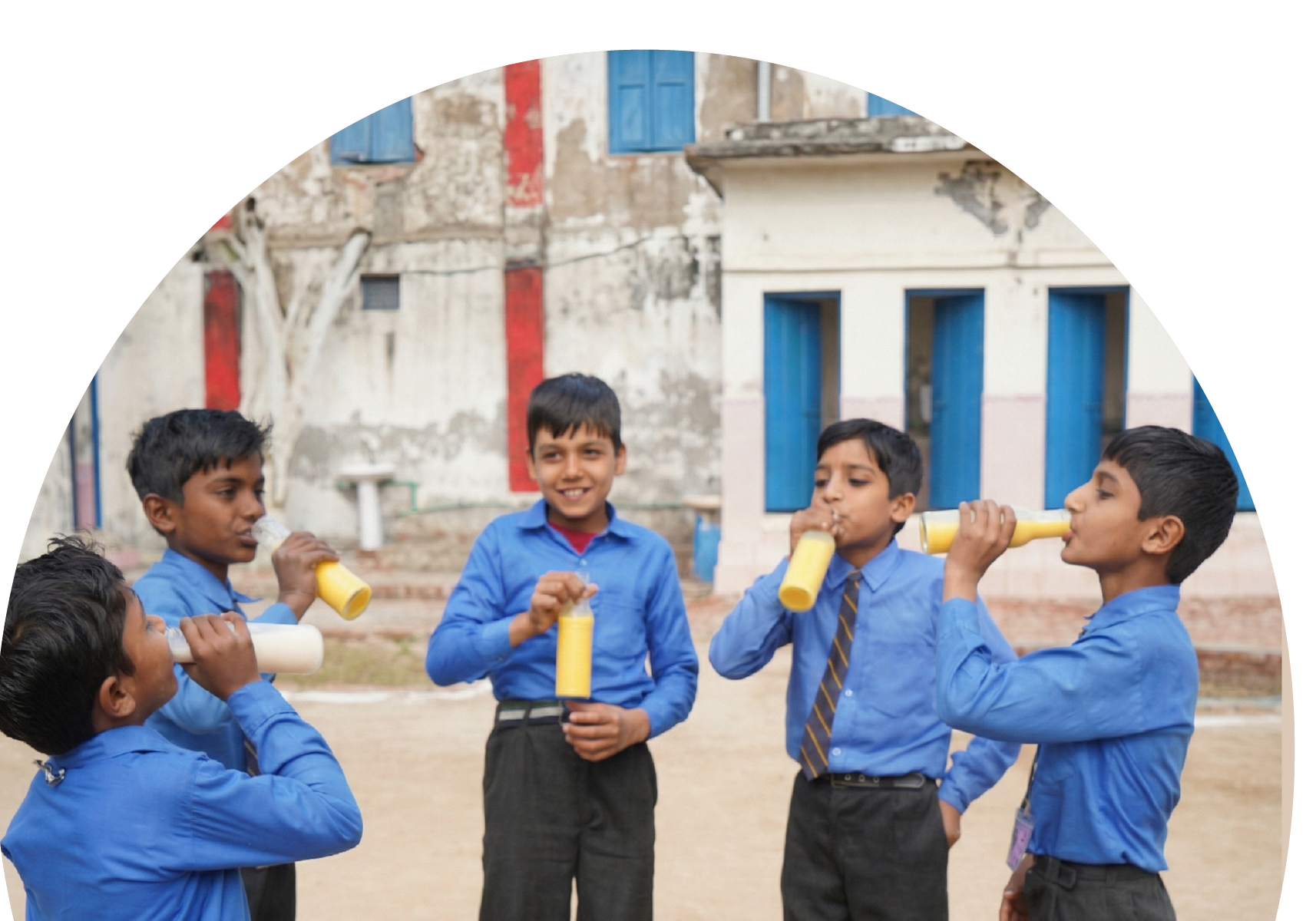
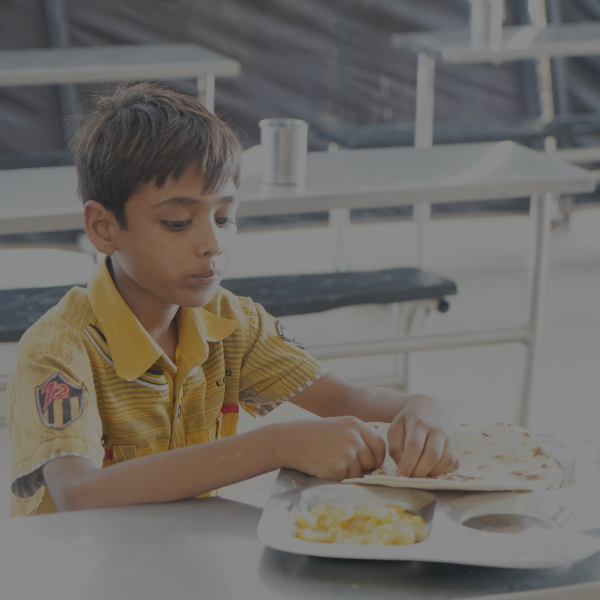
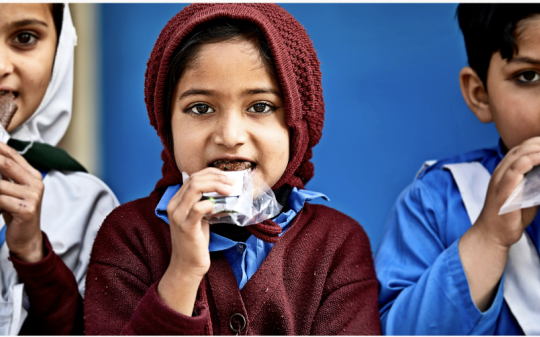
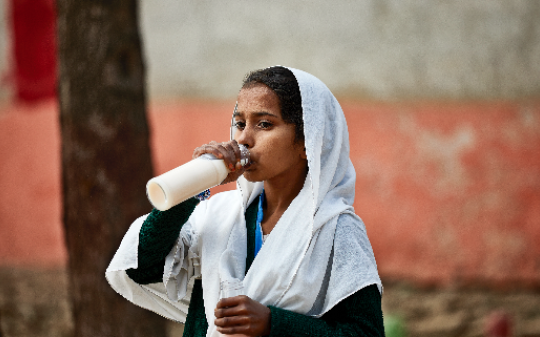
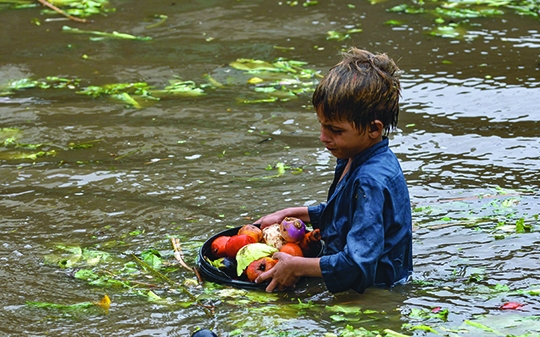
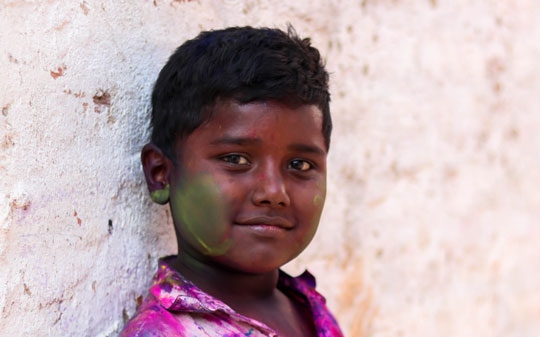
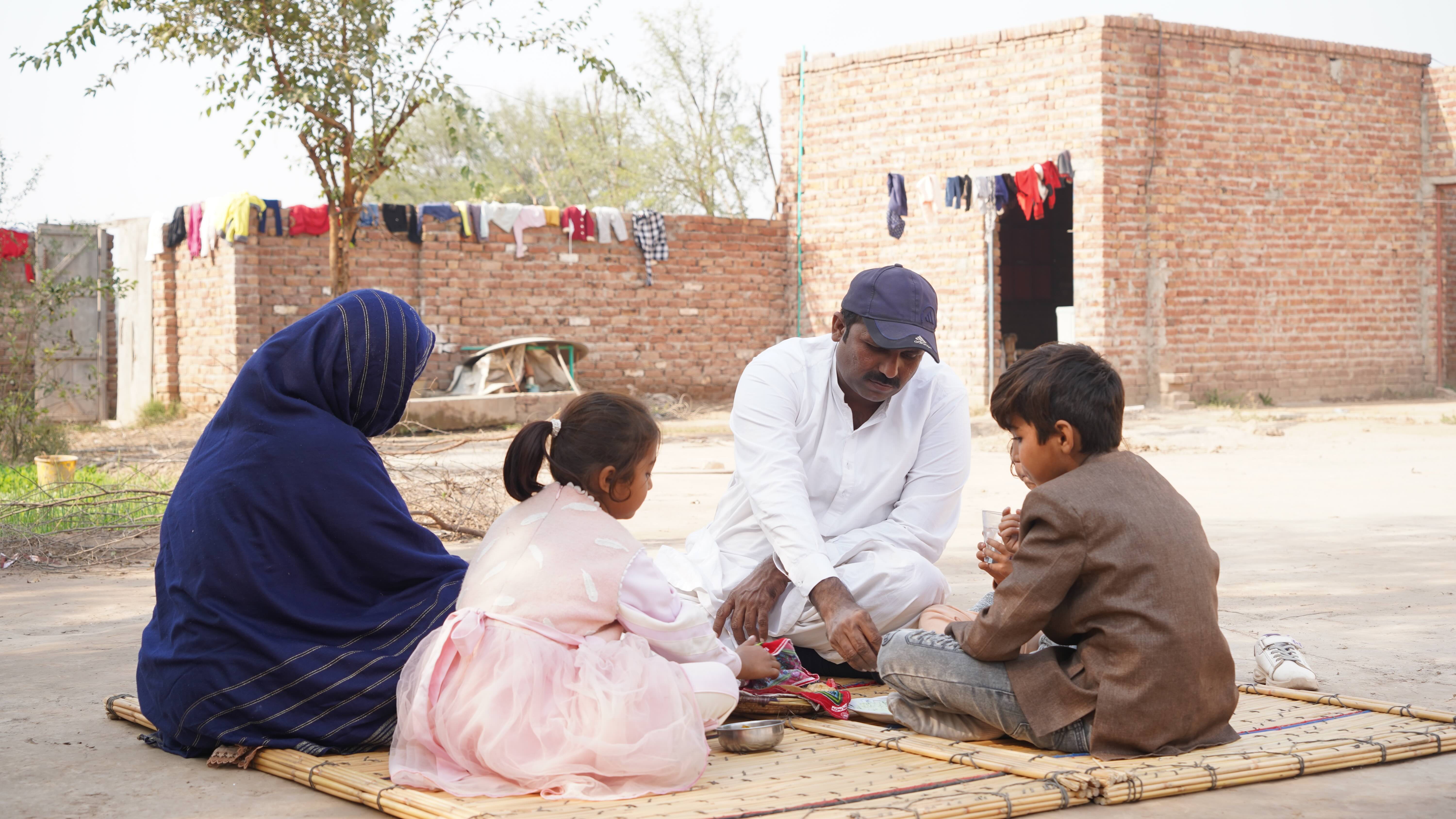
The nutrition situation keeps getting worse: stunting is over 40% among children in rural areas and wasting is common. Furthermore, women are more food insecure than men (39% versus 30%), with the situation being the worst in Balochistan and Sindh provinces. The crisis primarily affects children and women who are now forced to eat nutrient- poor and very cheap processed food. The past decade (2015-2024) has shown stagnation or decline in most key indicators due to climate shocks, inflation, low purchasing power, and poor governance in the food system.
Poor diets do not just cause micronutrient deficiencies, but also overweight and obesity, whose levels are rising. The prevalence of overweight among children under five has almost doubled over seven years, increasing from 5% in 2011 to 9.5% in 2018 (as per NNS 2018). This causes further health problems, such as increases in heart diseases, higher blood pressure, and diabetes.