0
GAIN Uganda was established
GAIN works with partners in Uganda
to strengthen food systems so that safe,
nutritious and affordable foods are more
accessible to communities.
GAIN Uganda, established in 2007, is part of the Global Alliance for Improved Nutrition’s global mission to end malnutrition by improving access to nutritious and safe food. Operating in alignment with Uganda’s Vision 2040 and the Uganda Nutrition Action Plan II, GAIN Uganda addresses the country’s triple burden of malnutrition.
Through multi-sectoral partnerships and a systems approach, GAIN Uganda focuses on industrial fortification, biofortification, food safety, consumer behaviour change and strengthening MSMEs.
GAIN Uganda was established
SMEs targeted
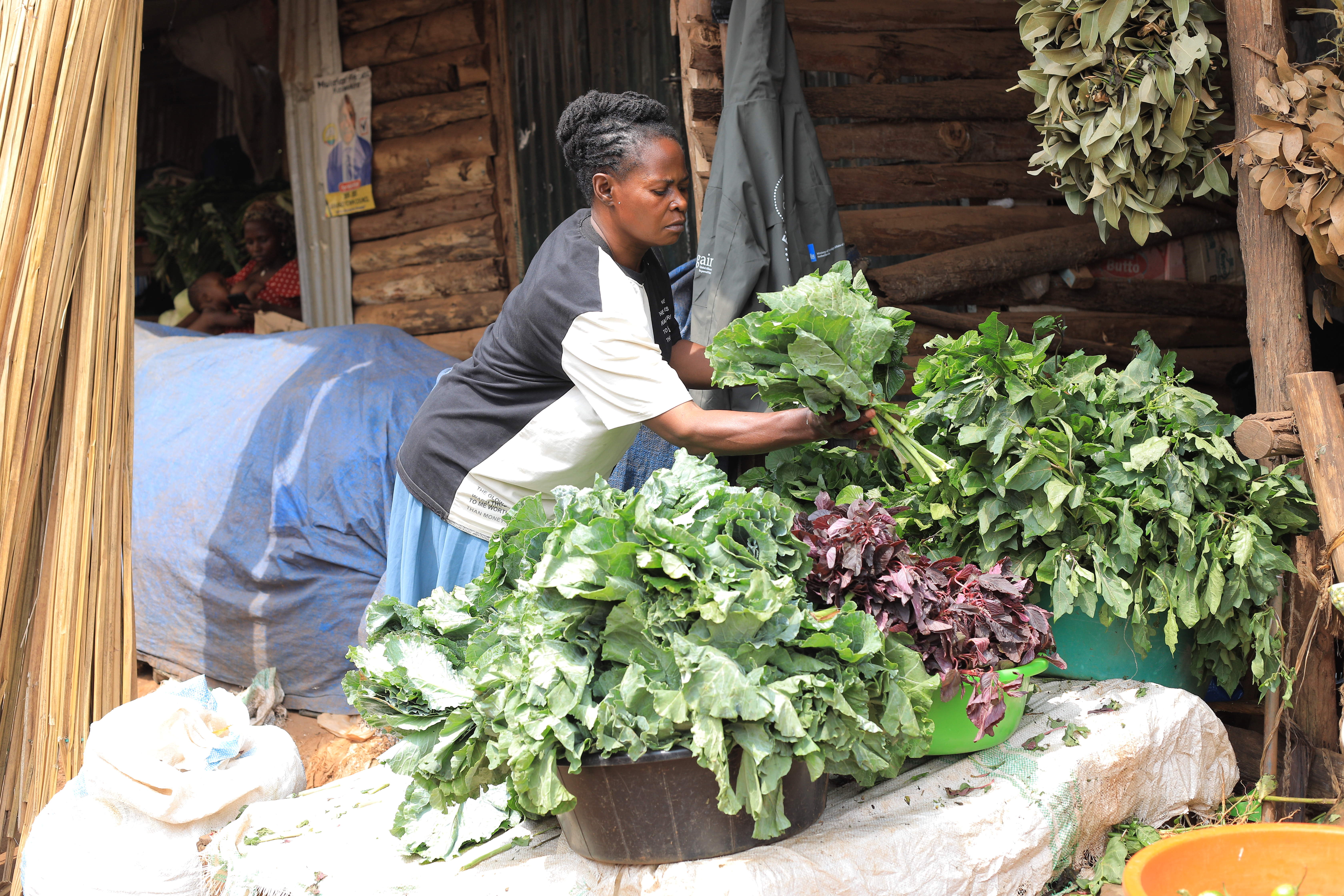
Individuals reached through vegetable promotion
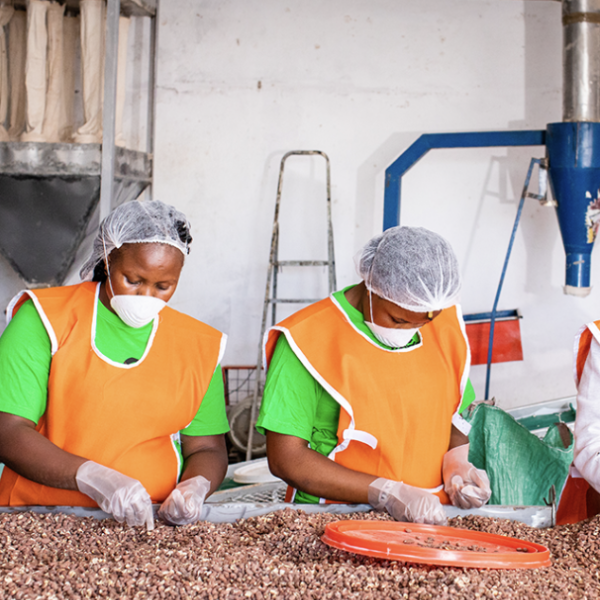
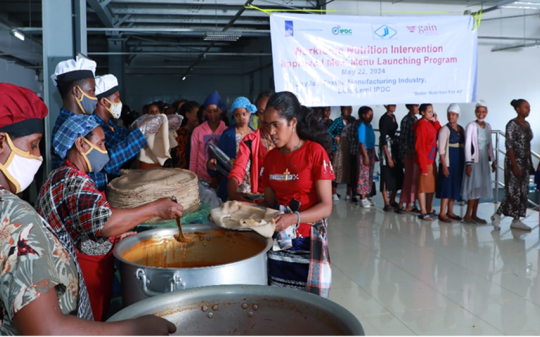
Workers benefited from workforce nutrition programmes
GAIN Uganda’s work supports healthier diets for all. The programme works closely with government, civil society and the private sector to create sustainable food systems, with particular attention to women, children and other vulnerable groups.
Uganda has made progress in food production, but many people, especially women, children, and low-income communities, still face barriers to accessing safe, nutritious, and affordable diets. Malnutrition and diet-related diseases remain pressing concerns.
GAIN is working to close this gap by strengthening Uganda's food system in partnership with local stakeholders. We support the production and consumption of fortified and biofortified foods, promote dietary diversity, and empower small and medium enterprises to deliver healthier options.
At the heart of our work is a simple but powerful goal: to ensure that all Ugandans, especially the most vulnerable, can enjoy healthier diets and live better lives.
GAIN Uganda works across the food system through six interconnected areas that strengthen access to safe, nutritious and affordable diets.
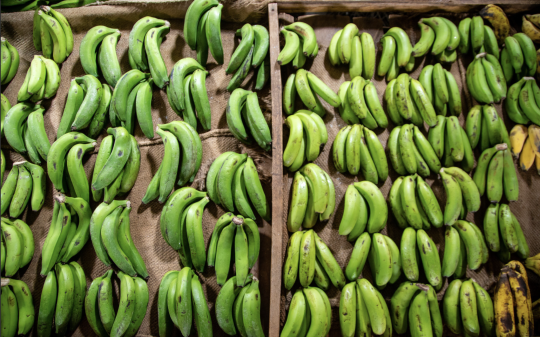
Enhancing the fortification and biofortification of staple foods to improve nutritional outcomes.
Empowering local businesses to deliver affordable, nutritious and healthy food options.
Promoting consumer awareness and behaviour change towards healthier and more nutritious diets.
Improving food safety standards through collaboration, capacity strengthening and policy advocacy.
Driving evidence-based policies to create a sustainable and inclusive food system, while embedding gender equity and environmental sustainability across programmes.
Conducting research tailored to Uganda's nutrition and food-system transformation needs to generate evidence for policy, innovation and healthier diets while strengthening national capacity and accountability.
Children are the most affected by malnutrition, which harms their future potential and productivity. When it occurs in early childhood, malnutrition causes lasting physical and mental damage.

Iron and Vitamin A deficiencies remain widespread, particularly among young children and pregnant women, where iron deficiency causes anemia.

26%

Ugandan children aged 6–59 months are stunted (short for their age).
3%

Dangerously thin for their height due to severe weight loss.
10%

Low weight for their age due to acute or chronic malnutrition.
Source: 2022 Uganda Demographic and Health Survey (UDHS)
53%

53% of children aged 6–59 months are anaemic.
32%

32% of women of reproductive age in Uganda, aged 15 to 49 years, have anaemia.
Source: 2016 Uganda Demographic and Health Survey (UDHS).

Overweight and obesity prevalence is higher among women with higher education (46%) and in urban areas (14%) compared to rural areas (6%).

9% of men and 18% of women are overweight, while 8% of women and 2% of men are obese.

Only 5.2% of Ugandan adults consume the recommended five servings of fruit and vegetables per day.
Source: 2022 Uganda Demographic and Health Survey (UDHS) for overweight and obesity.
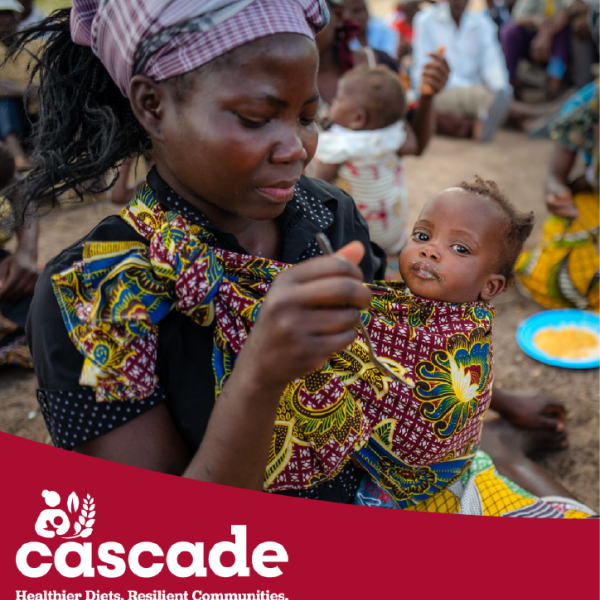
Supporting mothers and children under five through private-sector engagement and policy advocacy.
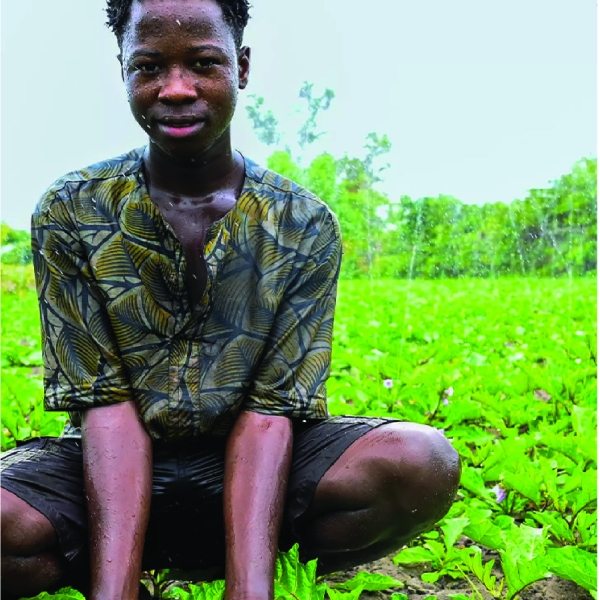
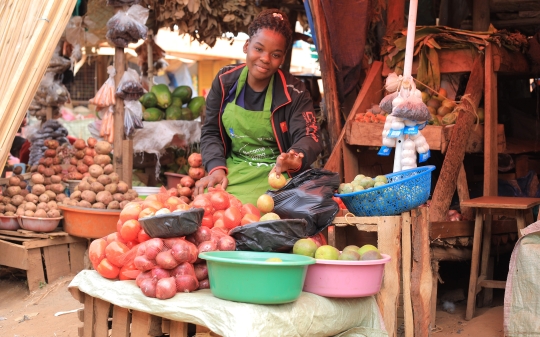
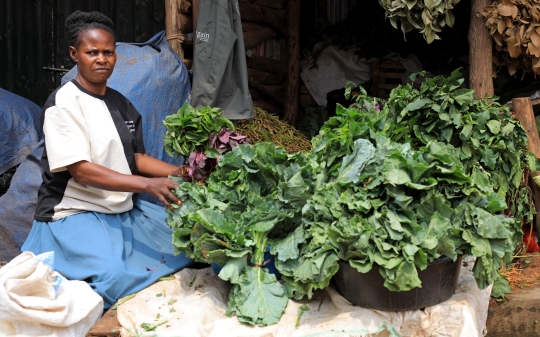
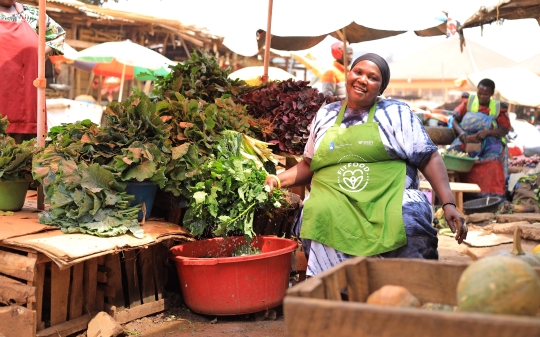
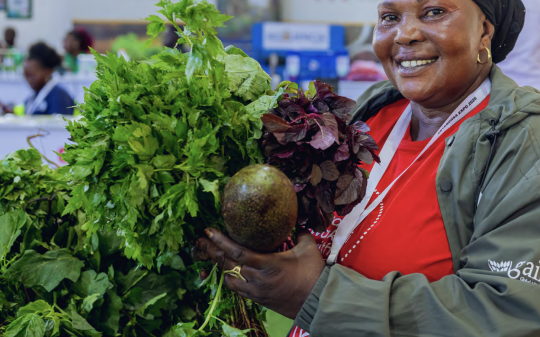
Promoting vegetable consumption among 118,000+ urban and peri-urban consumers.
Training 427 private players and supporting 300 SMEs.
Reducing malnutrition and improving diets requires engaging with and building alliances between governments, donors, including philanthropists, civil society and youth, producers, academia, UN and development partners, and the private sector to develop and implement new approaches to drive improved action.
GAIN Uganda is committed to improving nutrition outcomes through a comprehensive approach that includes food fortification and biofortification, strengthening MSME supply chains, increasing consumer demand for healthier diets, enhancing food safety, and advocating for effective policy reforms.
This work also focuses on addressing barriers that prevent people from accessing and choosing nutritious foods, including affordability, awareness, and availability. By working across the entire food system, GAIN supports both producers and consumers in making healthier choices.
Collaboration with government, private sector actors, and local communities is central to driving sustainable change. The goal is to create lasting improvements in nutrition that are embedded in everyday food systems and practices.
Uganda
An overview of GAIN Uganda's work, achievements and strategic direction.
FROM GAIN UGANDA
Discover conversations, stories and insights shaping healthier diets and stronger food systems in Uganda.
Why does a country rich in agricultural production continue to face high levels of malnutrition?
Host Mark Gachagua and GAIN Uganda Country Director Damali Sali explore Uganda’s food and nutrition paradox, looking beyond food availability to the information, habits and choices shaping what people eat.

Country Director Note
GAIN Uganda works with communities, government, businesses and partners to transform food systems and improve access to safe, affordable and nutritious foods.

At GAIN, we believe that everyone deserves access to safe, affordable and nutritious food — especially the most vulnerable among us. In Uganda, our work is deeply rooted in collaboration with communities, government and the private sector to transform food systems and improve nutrition outcomes.
As we continue to expand our reach and deepen our impact, we remain committed to scaling proven solutions such as food fortification, supporting small and medium enterprises, and driving demand for healthier diets.
Our goal is simple but urgent: healthier diets for all, and a food system that works for everyone. Thank you for visiting our page and for being part of this journey towards a nourished and thriving Uganda.
Kampala, Uganda
Plot 9, Kyambogo View Road, Minister’s Village, Ntinda
P.O.Box 800896
Kampala, Uganda
Tel :+256 200 922 02
Email: [email protected]