
Dr. Yasser Durrani
Professor of Food Science and Nutrition
Can healthier workplace food improve employee wellbeing and productivity? GAIN’s pilot in Pakistan shows how nutrition education, healthier snack options and employer engagement can help create better workplace food environments.
Employee wellbeing is increasingly recognized as a driver of productivity, business resilience, and sustainable growth. Yet in many industrial settings, workplace meal programmes continue to focus primarily on providing affordable food, with limited attention to improving diet quality, nutrition awareness, or healthier food environments.
To better understand opportunities for improvement, the Global Alliance for Improved Nutrition (GAIN) conducted formative research in Hattar Industrial Estate (HIE), Pakistan. The findings highlighted that while many industries provide subsidized meals for employees, structured Workforce Nutrition (WFN) programmes remain largely absent. More than 90% of employees reported limited awareness of nutrition education, healthy food initiatives, nutrition-focused health services, or breastfeeding support in their workplaces. At the same time, employers showed strong interest in adopting Workforce Nutrition interventions once they understood the potential benefits for employee wellbeing, productivity, and business performance.
Building on these findings, GAIN partnered with Silver Lake Foods Limited (KIMS) to pilot a practical Workforce Nutrition intervention that combined nutrition education, engagement with factory management, and collaboration with a local small and medium-sized enterprise (SME). As part of the pilot, workers were provided with a locally produced fruit bar developed by the SME as a healthier snack option alongside existing workplace meals. The pilot explored the operational feasibility and employee acceptance of introducing healthier snack choices within workplace meal programmes while complementing nutrition education and promoting healthier eating practices.
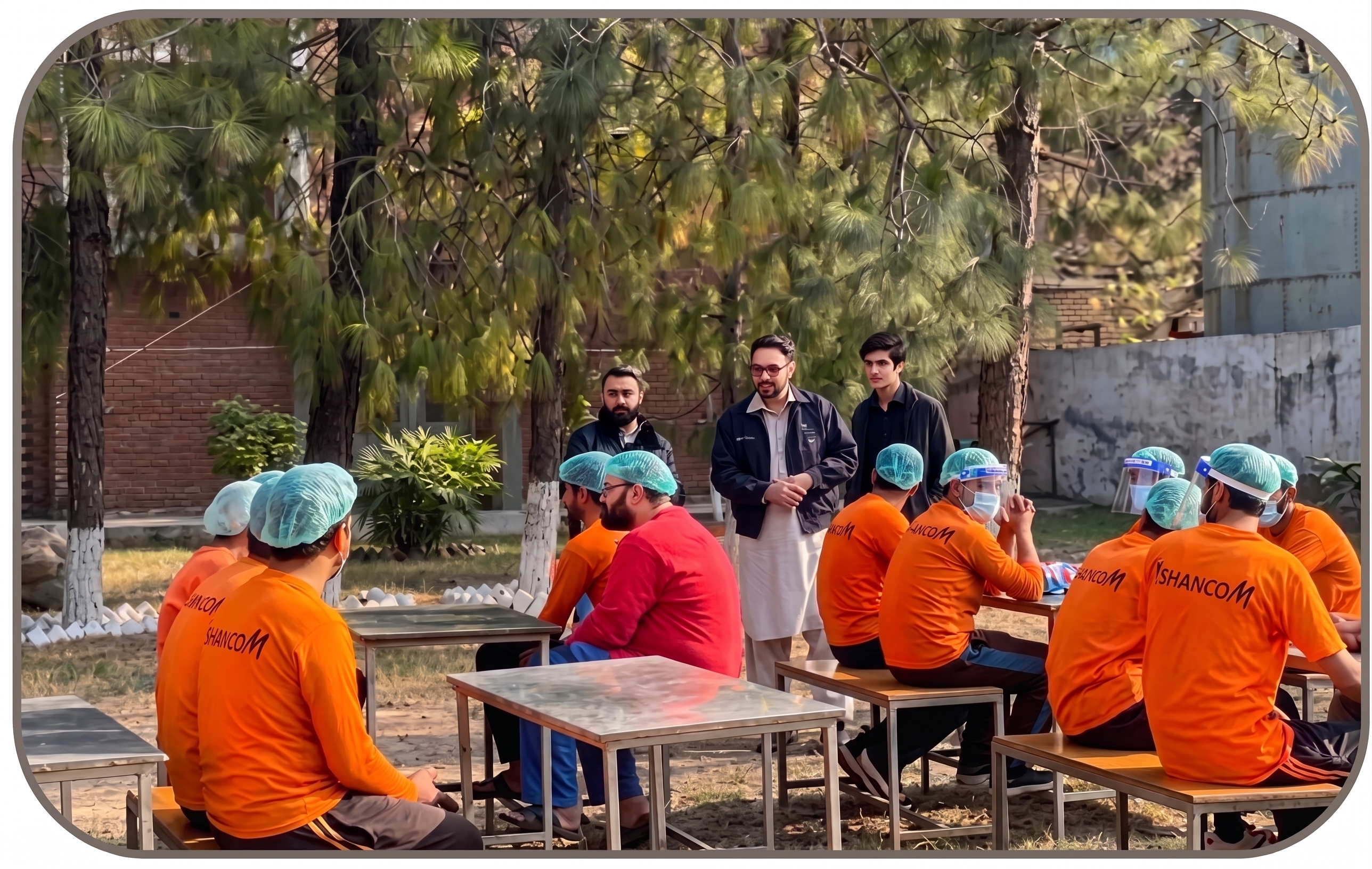
An assessment involving 100 industrial workers (50 men and 50 women) provided valuable insights into employees' nutritional status and dietary practices.
The assessment highlighted the coexistence of different forms of malnutrition within the workforce, with overweight and obesity affecting many employees while some workers remained underweight. Discussions with workers also revealed frequent consumption of refined carbohydrates and fried foods, alongside limited dietary diversity and relatively low intake of nutrient-rich foods.
These findings underscored the importance of strengthening nutrition awareness while creating workplace environments that make healthier choices easier for employees.
Based on the findings of the assessment a pilot intervention was implemented over a one-month period.
This pilot was intended to generate practical insights to inform the design of future Workforce Nutrition programmes. Specifically, the pilot explored workers' needs, preferences, and acceptance of nutrition education and healthier snack options, while also providing insights into the operational feasibility of implementation, including the perspectives of factory management and the collaborating SME
Rather than introducing a standalone nutrition activity, the pilot brought together several components of the Workforce Nutrition framework.
Workers participated in interactive nutrition education sessions covering balanced diets, dietary diversity, healthy snacking, protein sources, portion sizes, and practical food choices using concepts such as the "My Plate" model . The sessions focused on helping employees translate nutrition knowledge into everyday decisions both at work and at home.
Alongside these sessions, GAIN worked closely with factory management to explore practical ways of strengthening the workplace food environment. As part of this process, a locally produced fruit bar developed by an SME partner was introduced within workplace meals on a pilot basis to understand the operational feasibility and employee acceptance of incorporating alternative snack options into existing meal arrangements. The pilot was designed to explore implementation and user experience .
One of the key strengths of the pilot was the collaboration between GAIN, factory management, and a local SME.
Factory management played an active role in facilitating employee participation, integrating the pilot into routine workplace operations, and supporting implementation throughout the intervention. At the same time, collaboration with the SME demonstrated how local businesses can contribute innovative food solutions that respond to employer needs while strengthening domestic food value chains.
The experience illustrates how Workforce Nutrition can create value not only for employees but also for employers and local enterprises by encouraging practical partnerships that support healthier workplace food environments.
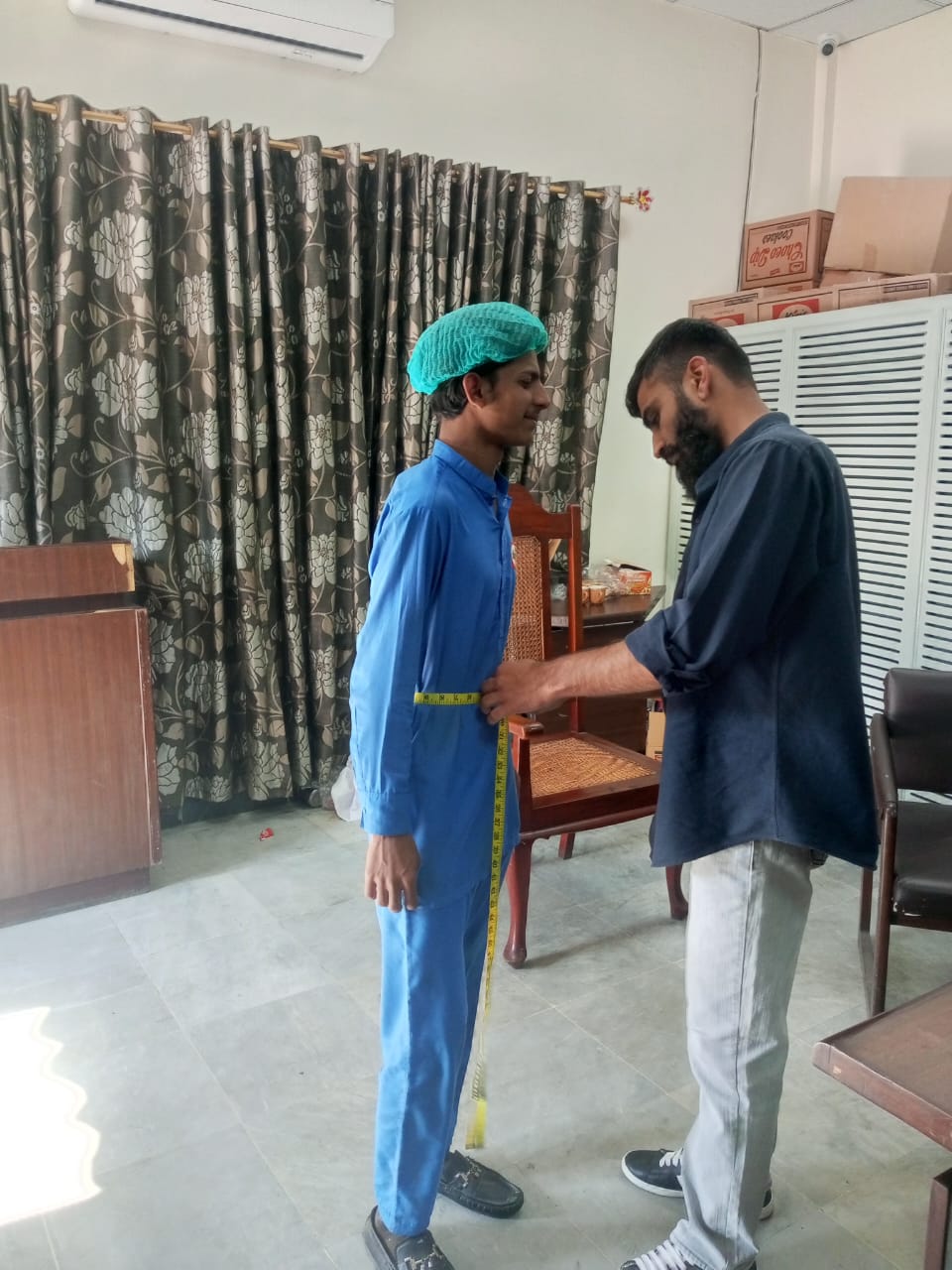
An important outcome of the pilot was the positive engagement of employees throughout the intervention.
Workers actively participated in the nutrition education sessions and demonstrated strong interest in learning more about healthier eating practices. Feedback gathered during the pilot also indicated that employees were receptive to exploring healthier food options within workplace meal programmes when these were introduced alongside practical nutrition education and supported by employers.
These findings reinforce the importance of combining behavior change communication with supportive workplace environments, rather than relying on information alone.
Looking Ahead
Although the pilot was intentionally designed as a short-term feasibility exercise, it generated valuable lessons for the future implementation of Workforce Nutrition programmes in Pakistan.
The experience demonstrated that successful Workforce Nutrition interventions depend not only on the foods available in the workplace but also on strong employer engagement, practical nutrition education, and partnerships that enable healthier workplace food environments.
Future programmes implemented over longer periods will help assess how comprehensive Workforce Nutrition interventions influence dietary behaviours, employee wellbeing, workplace practices, and business outcomes. They will also provide opportunities to refine workplace food offerings by ensuring that the nutritional composition of snacks and meals is aligned with the specific nutritional needs and requirements of workers. Such evidence will support employers in designing sustainable, context-appropriate Workforce Nutrition programmes that contribute to healthier, more productive workforces.
The experience from Hattar Industrial Estate shows that meaningful improvements in workplace nutrition begin with collaboration. By bringing together employers, employees, local businesses, and technical partners, industries can move beyond simply providing meals towards creating workplaces that actively support healthier choices and long-term wellbeing.
Professor of Food Science and Nutrition

Communications Associate

Senior Research Associate