
TURFS Strategy
- 28/11/2023
A strategy to catalyse a global food systems transformation for people, planet and prosperity using cities as entry points.- 28/11/2023
A strategy to catalyse a global food systems transformation for people, planet and prosperity using cities as entry points.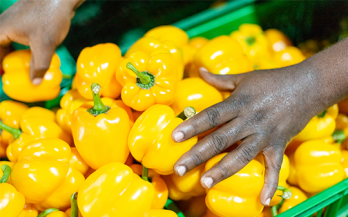
- 25/08/2023
The 2021 UN Food System Summit led to strategic pathways for food system transformation in countries, supported by an Ecosystem of Support (EoS). This analysis evaluates transformation progress, suggests principles for effective EoS functioning, and emphasizes flexibility while respecting national leadership and promoting collaboration, inclusivity, and transparency and decision-making in advancing food system goals.
- 03/11/2022
The global food system is experiencing the worst crisis in history. Unlike the food price crisis of 2007-8, in 2022 there is a convergence of multiple crises. Hunger and malnutrition have soared in the wake of the coronavirus pandemic (COVID-19).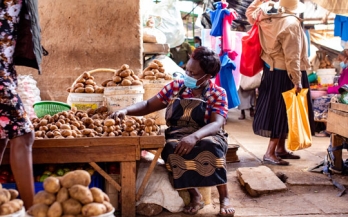
- 23/02/2022
This paper responds to the need to better understand the interaction between gender norms and urban food systems in low- and middle-income countries. More people are living in cities than ever before. As a result, the role played by urban food systems is of growing importance at both the population level and for individuals, especially women, who are considered responsible for meal provision in most cultures.
- 27/01/2022
Nowadays, 1 in 10 children is overweight or obese and this number is rising. While overweight and obesity was once considered a high-income country (HIC) problem, low- and middle-income countries (LMICs) are now increasingly confronted with overweight and obesity in their populations alongside the still existing problems related to undernutrition.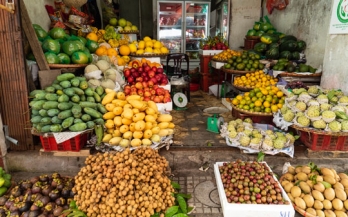
- 14/10/2021
Understanding urban specific contexts and food system challenges during the pandemic is the first step towards the co-design of policy options. Between December 2020 and April 2021, GAIN conducted a mixed method Rapid Needs Assessment of the urban food system in Machakos and Kiambu (Kenya), Beira and Pemba (Mozambique), and Rawalpindi and Peshawar (Pakistan).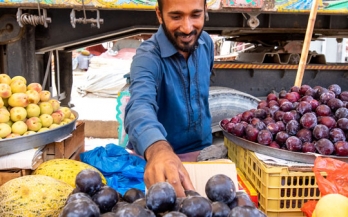
- 29/09/2021
Understanding urban specific contexts and food system challenges during the pandemic is the first step towards the co-design of policy options. Between December 2020 and April 2021, GAIN conducted a mixed method Rapid Needs Assessment of Machakos and Kiambu (Kenya), Beira and Pemba (Mozambique),) and Rawalpindi and Peshawar (Pakistan).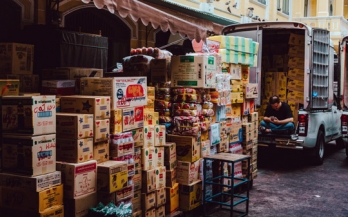
- 09/10/2020
Informal food retail is a central informal sector activity with a particular defining role in urban food systems, and is critical to the food and nutrition security of urban society. Many families and individuals residing in cities, especially those on low incomes, depend on informal food retail as a source of nutritious food such as fresh fruits and vegetables. It also offers a livelihood and source of income for many workers.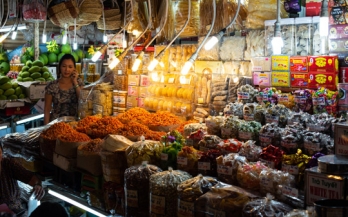
- 16/07/2020
In urban areas in Low- and Middle-Income Countries, rates of overweight, obesity and diet-related non-communicable diseases (NCDs) are increasing. At the same time, undernutrition persists, particularly among those on low incomes. Where people acquire their food and factors such as availability, affordability and convenience all influence what people eat in urban areas (i.e. urban food environments) and are essential to people’s diets, nutrition and health
- 15/07/2020
Consumption of sugar-sweetened beverages (SSBs) is rising rapidly, especially in urban areas in low- and middle-income countries (LMICs). SSB consumption increases the risk for overweight and obesity, which are linked to a variety of non-communicable diseases (NCDs), including diabetes, cardiovascular diseases and certain types of cancer. One policy tool targeted at lessening the consumption of SSBs is a SSB tax, which increases the price of sugary drinks in a given area, which could be a single city, states or a country.