- 01/01/2016
The purpose of this study was to create a paper test card that measures a common iodizing agent, iodate, in salt. To test the analytical metrics, usability, and robustness of the paper test card when it is used in low resource settings, the South African Medical Research Council and GroundWork performed independent validation studies of the device.
- 04/09/2012
In this assessment, dietary modeling in children aged 6–60 months was undertaken, based on food consumption patterns described in the 2009 national food consumption survey, using a 24-h recall method.
- 01/01/2010
The overall aim of the survey was to generate data to assess the project performance in terms of household coverage, utilization and population reach of fortified wheat flour products, vegetable oil and salt in Ghana, as well as to determine the prevalence of iodine deficiency by analysing urinary iodine.
- 01/05/2014
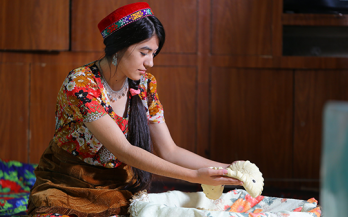
USAID Tajikistan commissioned GAIN to assess the wheat sector in Tajikistan and identify opportunities for strengthening flour fortification with micronutrients. This report follows a desk review and interviews in October 2013, a mission to Kyrgyzstan, Kazakhstan and Tajikistan in late October to November 2013 and analysis of feedback from national stakeholders in early 2014.
- 01/01/2017
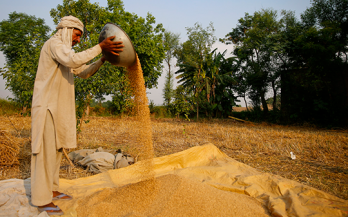
In Afghanistan and Pakistan, there is a severe vitamin and mineral deficiency problem, including deficiencies in vitamin A, vitamin D, iron, folate and zinc. To effectively mobilize the industry and initiate the production of fortified wheat flour as per Afghan requirements, an industry assessment was conducted during November and December 2016.
- 01/01/2018
GAIN implemented the Tajikistan Technical Support Project to Reduce Micronutrient Deficiencies with financial support from the United States Agency for International Development (USAID) from October 2014 to December 2017. The project’s goal was to improve nutrition for vulnerable women and children in Tajikistan.
- 01/01/2015
The objective of the study was to assess the present knowledge among rural families (including general population, pregnant women, lactating women and adolescent girls) on food fortification and their attitude and behaviour towards regular use of fortified atta.
- 01/10/2014
Afghanistan depends substantially on food imports from neighbouring and other regional countries due to being landlocked with limited water and agricultural resources. GAIN has been working to improve nutritional outcomes of the population through fortification projects for two major products: wheat flour and edible oil/ghee. This report is a supply chain assessment of these two food products in Afghanistan.
- 01/06/2012
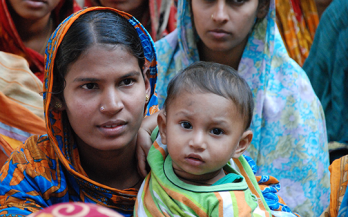
Bangladesh is effectively implementing measures to address high rates of malnutrition. This brief presents the Pushtikona model and the partnership formed with Renata, a pharmaceutical company and BRAC, to deliver micronutrient powders across Bangladesh.
- 01/01/2011
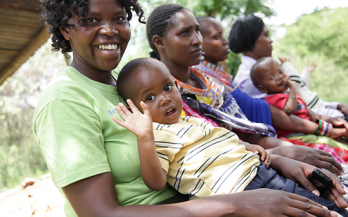
Millions of families worldwide face inadequate access to diverse and nutritious foods. This brief presents GAIN’s Multinutrient Supplements Initiative (MSI) in Kenya, showcasing the success stories of delivering fortified foods and nutrient supplement to vulnerable families throughout the country.