

Environmental Benefits Beyond the Farmland
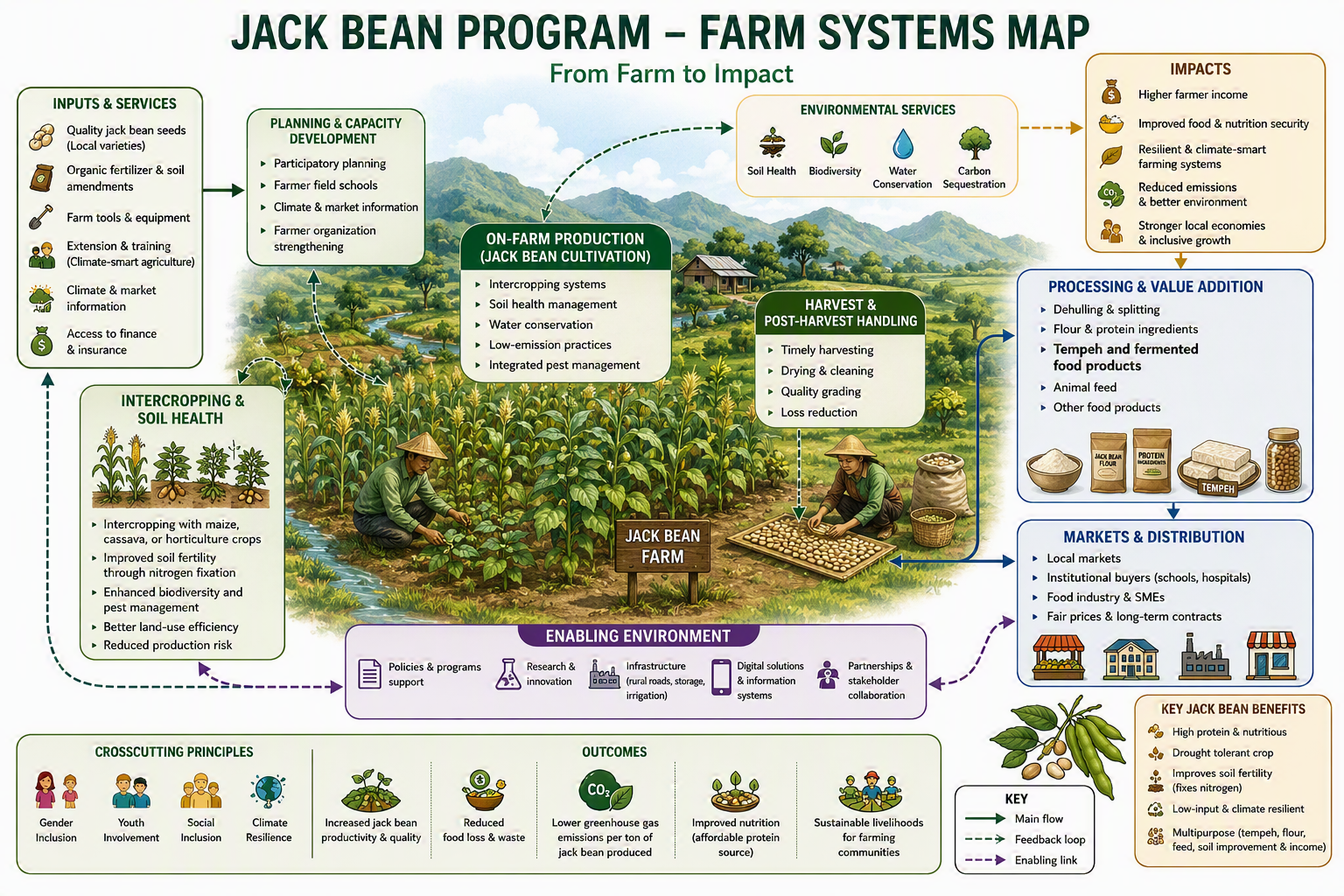
Because jack bean is a nitrogen-fixing legume, its cultivation can improve soil fertility and reduce dependence on synthetic fertilizers. Farmers also benefit from lower input costs and improved long-term soil health. Approximately 10 tonnes of biologically fixed nitrogen per year generated through 85 hectares of jack bean intercropping managed by 400 farmers, equivalent to about 22 tonnes of urea fertilizer.
The initiative also contributes to climate resilience. Jack bean is drought-tolerant and can be grown on marginal lands, making it suitable for areas increasingly affected by climate variability. Increased adoption can enhance agricultural biodiversity, improve land productivity, and strengthen the resilience of farming systems.
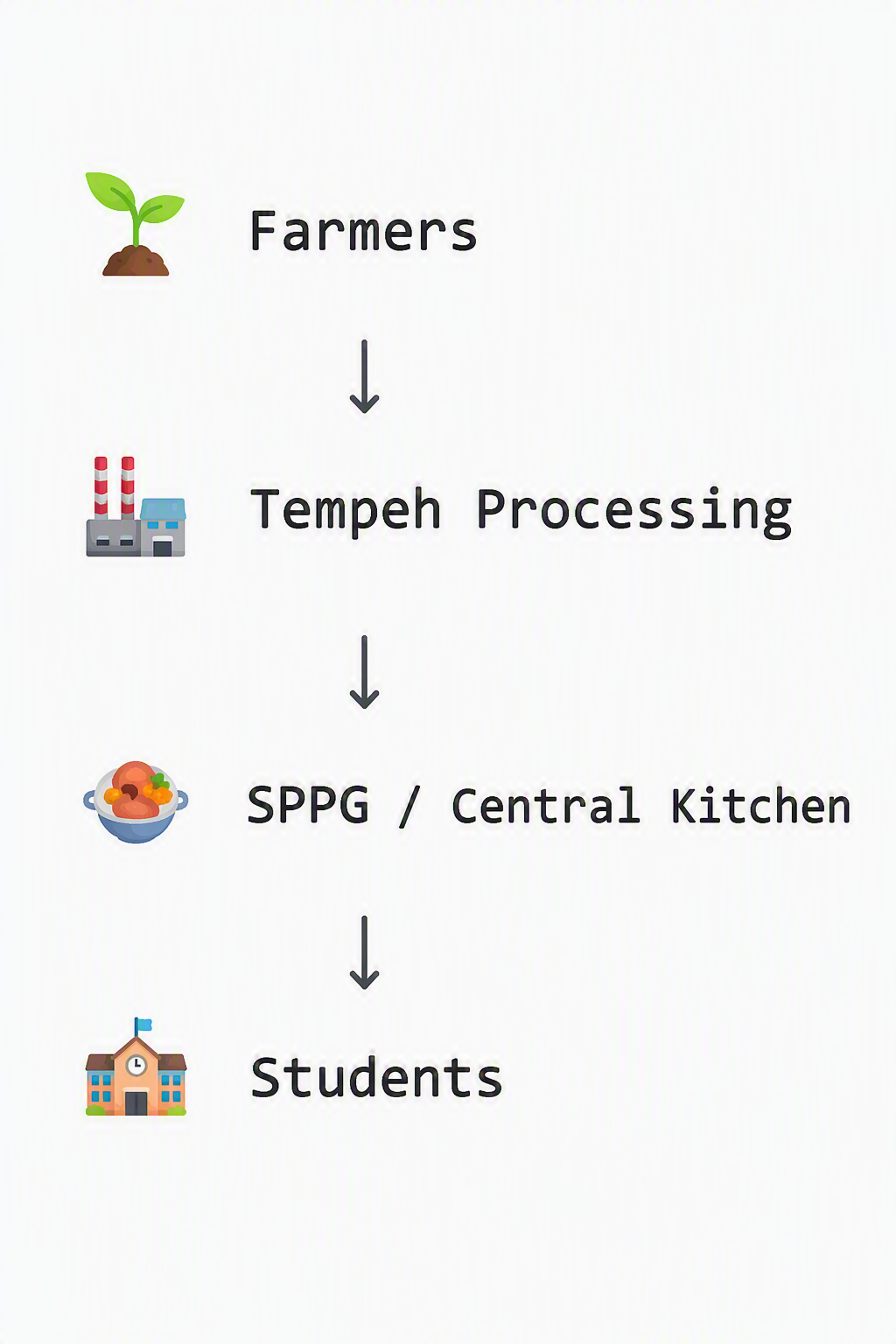
Another important benefit is the reduction of dependence on imported soybeans. By partially substituting imported soybean inputs with locally produced jack beans, the project helps reduce supply-chain emissions, strengthen food sovereignty, and support more localized food systems.