
Florencia Vasta
Programme Lead, Large Scale Food Fortification
Summary: Three years after a unanimous World Health Assembly resolution, momentum behind large-scale food fortification (LSFF) is accelerating — underscored by a new German government call to make LSFF a cornerstone of the global fight against hidden hunger and a landmark report documenting the movement's progress to date.
Something significant is happening in food fortification. Quietly, and across more countries than most people realize, the years following passage of a milestone resolution on food fortification at the World Health Assembly have delivered a meaningful acceleration in the scale, quality, and political visibility of large-scale food fortification programs worldwide.
Today, at the Hamburg Sustainability Conference, that momentum is becoming impossible to ignore. The German Federal Ministry for Economic Cooperation and Development (BMZ) is launching a groundbreaking Call to Action to catalyze large-scale food fortification to end child malnutrition by 2030. This commitment from one of the world's most significant bilateral donors builds on a groundswell of evidence, advocacy, and country-level progress over the past three years.
Germany’s announcement is one example of the momentum building behind food fortification. Nourishing Progress — launched recently at the 79th World Health Assembly by Future Fortified — documents the broader progress that has unfolded globally over the past three years.
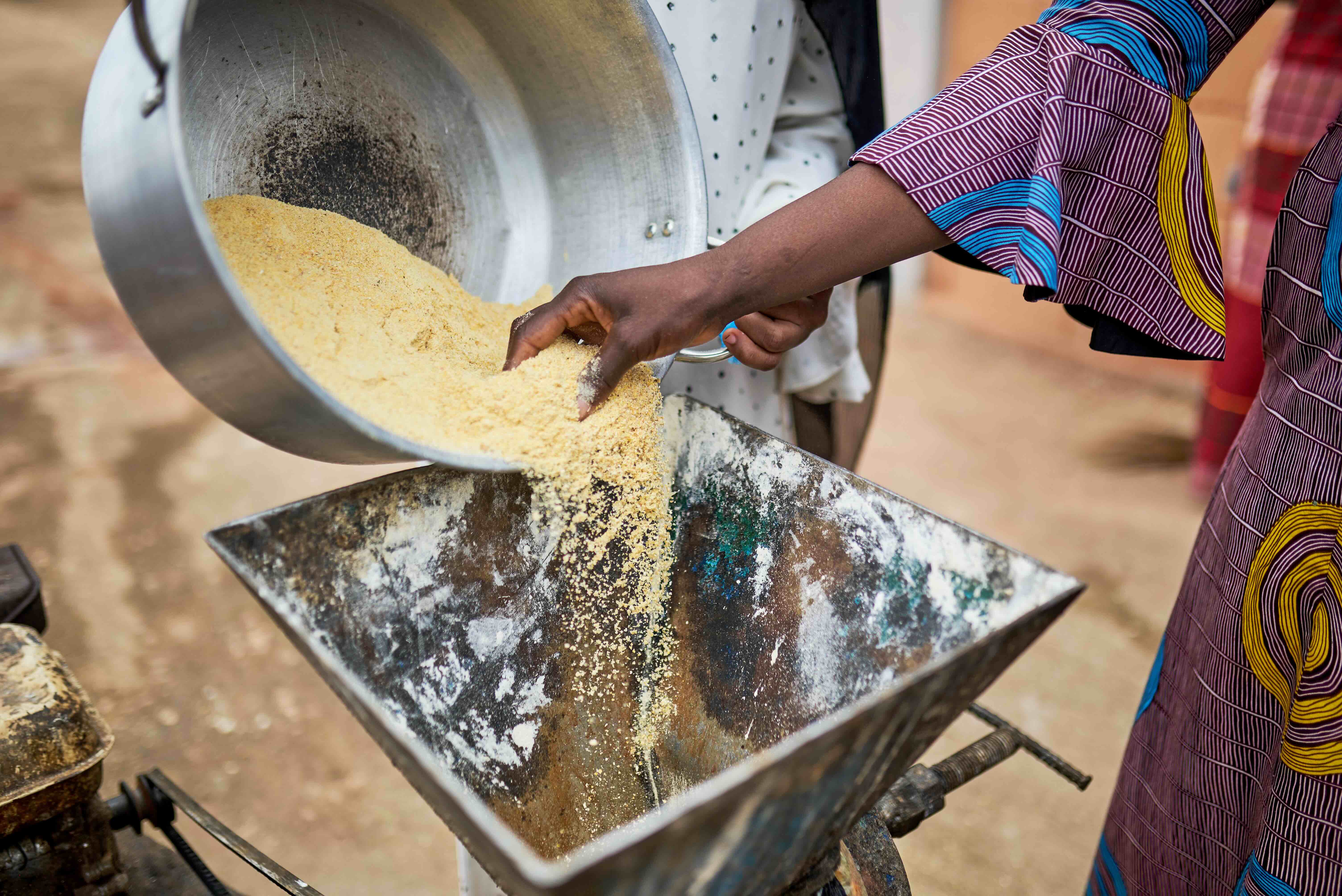
The evidence of momentum spans every region. In sub-Saharan Africa, new regional coordination mechanisms are bringing greater coherence to what was once a fragmented landscape of national programs, harmonizing standards and laying the groundwork for regional trade in high-quality fortified foods. Digital tools for monitoring fortification quality are scaling up in Nigeria, Bangladesh, and India. National premix revolving funds — launched in Senegal, Ethiopia, and elsewhere — are lowering costs and addressing access to high-quality premix, one of the most persistent practical barriers to compliance at scale.
There has been equally impressive progress at national level. Ethiopia recently became the first country in the world to mandate iodine and folic acid-fortified salt, an intervention with the potential to reach 120 million people at an additional cost of just $0.01 per capita per year. Kenya more than doubled its fortified wheat flour market coverage in the past two years. Bangladesh scaled fortified rice from 30,000 to 16 million beneficiaries through government social safety net programs.

Colombia, Mozambique, Tanzania, and others have updated or strengthened their regulatory frameworks, laying the institutional foundations for long-term impact. And a growing coalition of spina bifida and hydrocephalus associations, neurosurgeons, and public health professionals has emerged as one of the most powerful forces driving advocacy for folic acid fortification to address preventable birth defects of the brain and spine.
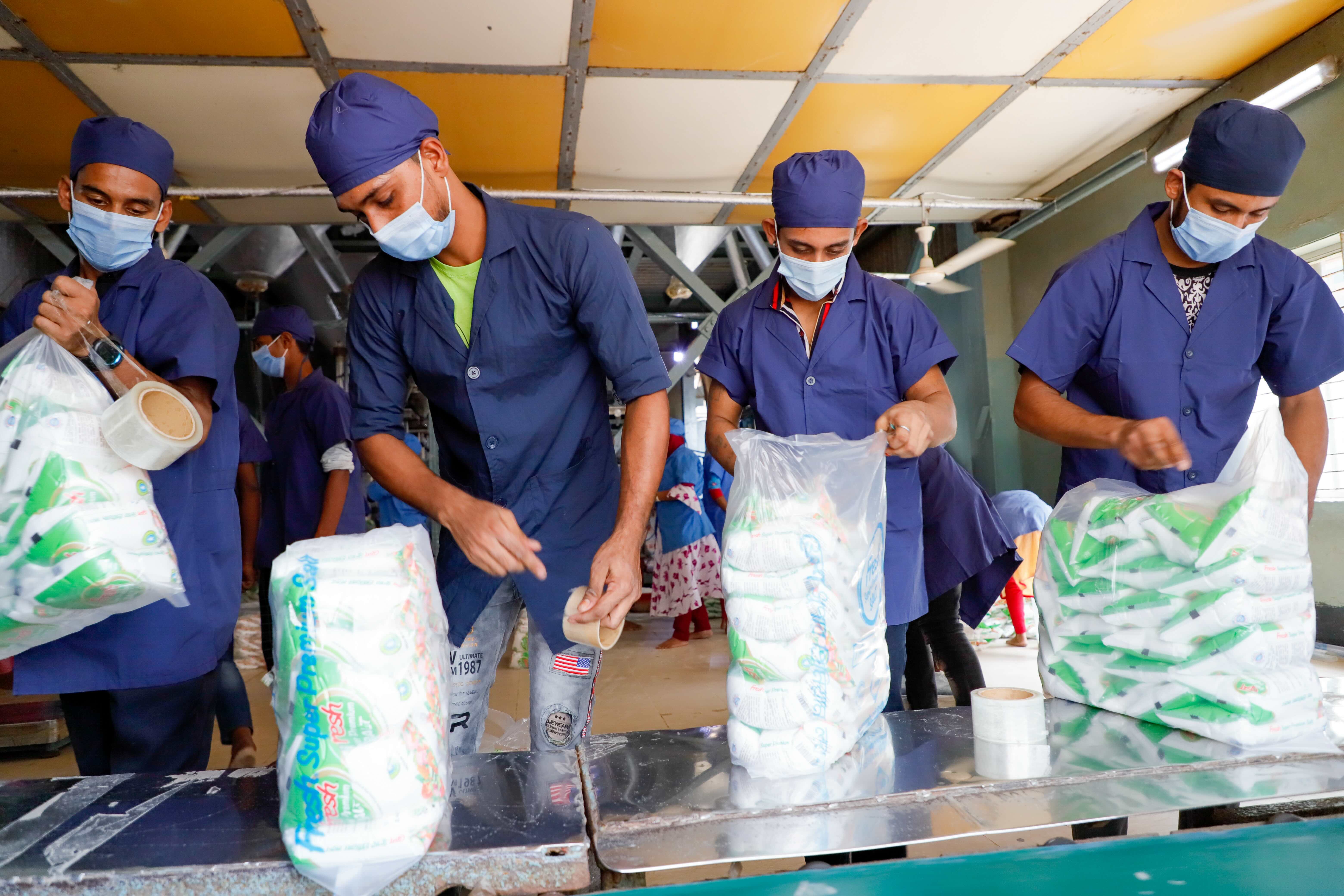
A landmark analysis published in The Lancet Global Health this year quantifies both the scale of what has been achieved and the incredible additional gains that are achievable with modest additional investment. Current programs prevent 7 billion nutrient gaps every year at a cost of just $0.18 per person. With stronger compliance, updated standards, and expanded programs, that figure could reach 24.7 billion — more than triple the current impact — at $1.15 per person per year.
This analysis arrives at a moment when donor budgets are tightening and competing crises are pulling resources in multiple directions. Food fortification's answer to that pressure is straightforward: it works through existing systems, requires no behavior change from households, and is widely considered one of global development's "best buys," generating $27 for every $1 invested.
The BMZ Call to Action, launched today alongside 32 partners at the Hamburg Sustainability Conference, is both a response to this evidence and a signal to others. Through it, BMZ and its partners aim to strengthen commitment to scaling LSFF to improve maternal and child nutrition across five concrete action pathways, from reaching the most marginalized populations to mobilizing the private sector.
The global momentum documented in Nourishing Progress is real. What’s needed now is the sustained financing, policy commitment, and private sector engagement to turn this momentum into a lasting transformation in global food systems. The BMZ Call to Action is one more reason to believe that is possible.
Programme Lead, Large Scale Food Fortification