
Victor Ekeleme
Senior Associate, Communications
When you buy a pack of flour labelled "fortified", you should be able to trust that it contains the added micronutrients it promises. You take it home expecting it to contribute to the nutrition of the people who will eat it.
Consumer trust depends on how food is produced and checked. The producers together with regulators need to prove that the added micronutrients comply with all established requirements and standards. Nigeria needs to make that verification part of everyday food production.
Food fortification involves adding essential vitamins and minerals to foods people already consume regularly. The process enables people to get more vital micronutrients without making them alter their normal eating practices. People lose their right to receive the nutritional advantages which fortified foods should offer when manufacturers fail to meet the minimum required standards for fortification.
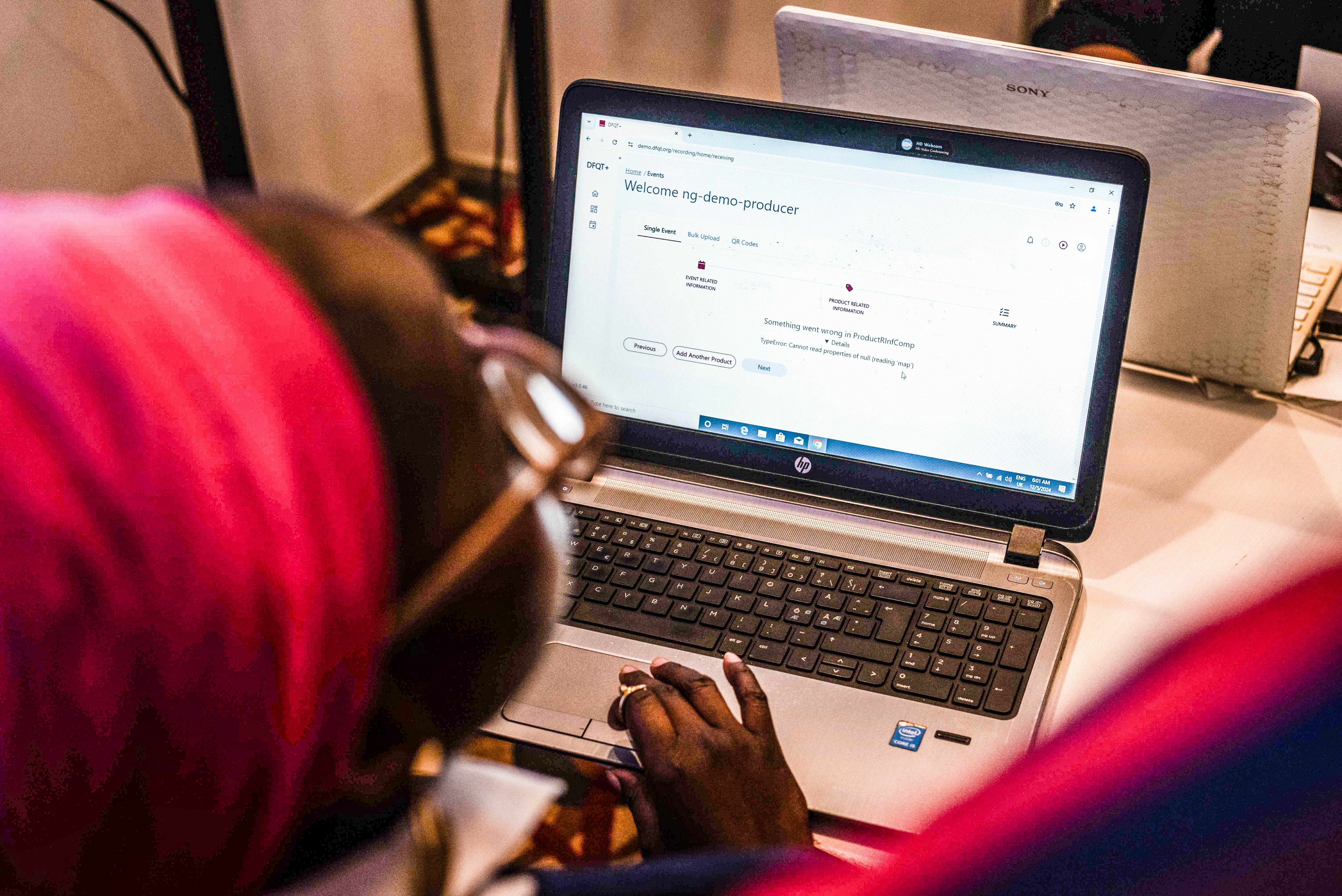
The Nigerian government has established regulations governing food fortification with periodic compliance monitoring of production facilities undertaken by relevant government agencies. The process of monitoring compliance has required regulatory staff to examine physical documents during their visits to production facilities.
The Large-Scale Food Fortification programme at GAIN works with producers and regulators to solve this problem through their ongoing efforts. One of the projects under the LSFF programme is Digital Fortification Quality Traceability Plus (DFQT+) which allows users to record and exchange information about their fortification quality compliance. The Gates Foundation supported the initiative to launch pilot programmes which ran from 2022 until 2025 in Bangladesh and India and Nigeria.
The Nigerian team, working with government and private stakeholders, is developing a minimum viable product, to pilot the DFQT+ system with edible vegetable oil. The platform can be scaled up to include other staple foods, e.g. wheat flour. The experience during the pilot phase of project implementation provides us with knowledge which we can use to develop better methods for ensuring fortification compliance across various food products.
The system enables users to track micronutrient fortification quality from premix which represents the nutrient blend that manufacturers add during production until it reaches the retail market. The system links all records with their corresponding test results. All Nigerian producers who take part in this program must share their data with three regulatory bodies which include National Agency for Food and Drug Administration and Control (NAFDAC), the Standards Organisation of Nigeria (SON) and the Federal Competition and Consumer Protection Commission (FCCPC). The system enables regulators to track fortification data uploads while they perform their own verification processes to generate additional inspection findings.
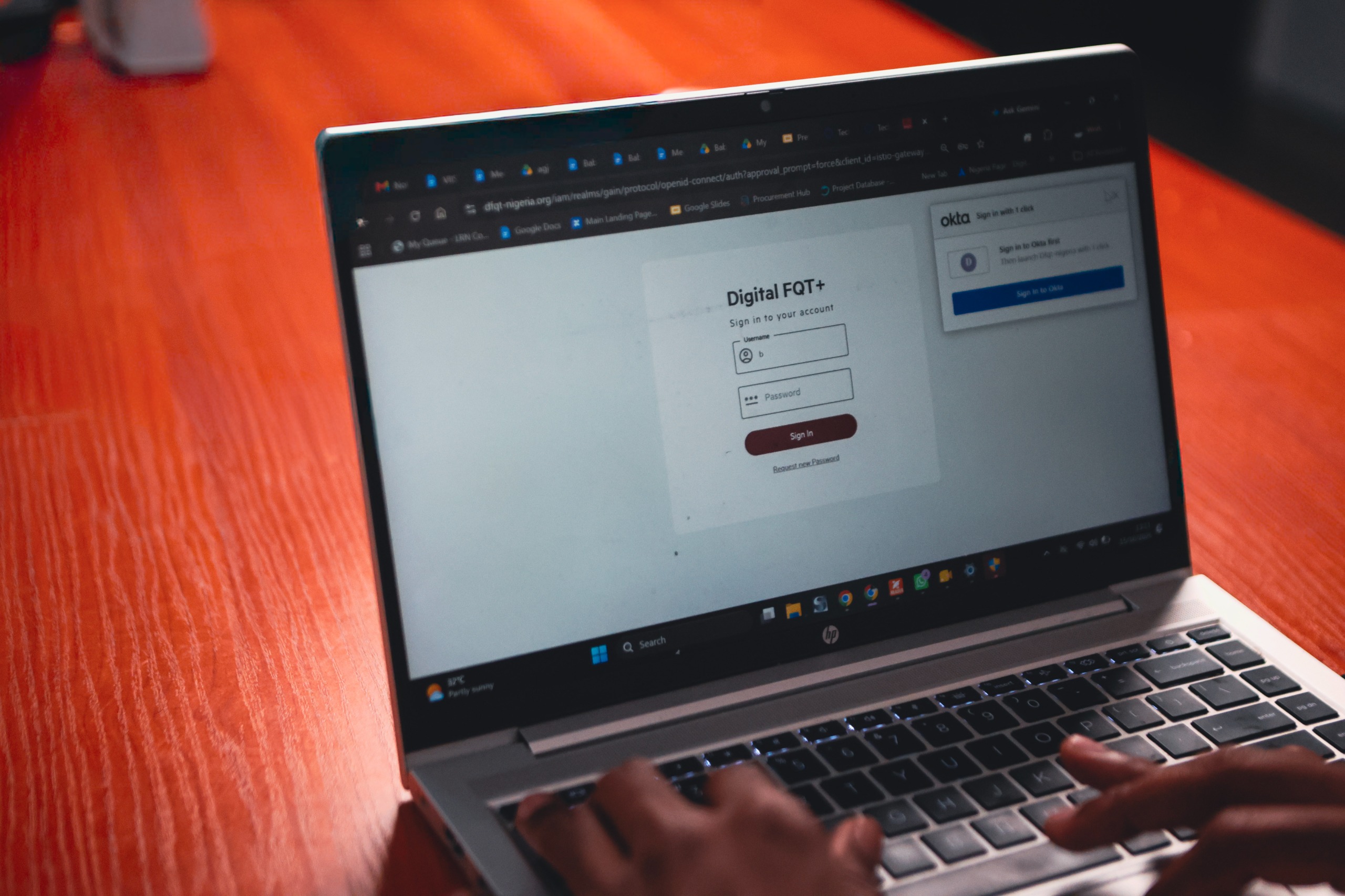
The combination of those records enables investigators to pinpoint the starting point of the problem. A producer can check the premix used in a batch alongside its production records and micronutrient test results. The same data becomes available to regulators who can use it to perform market inspections before their next scheduled factory visit.
The project has demonstrated values in ensuring food fortification compliance. An example of such was a case with one of the participating edible vegetable oil producer discovered a batch of edible oil after fortification showed a zero level of vitamin A while testing in the laboratory. The producer escalated this to GAIN's attention, and further investigations were done at NAFDAC and SON laboratories, which eventually proved that the premix used in production did not contain any vitamin A. The affected batch was put on hold, corrective actions were taken and the producer strengthened its internal quality control and quality assurance processes.
The discovery resulted from scientific evaluation. The system allows producers and regulators to share quality information which they can use to track and solve problems together. The process of laboratory testing and enforcement activities continues to play a vital role in verifying that fortified foods meet their established quality requirements.
For participating producers, DFQT+ supports closer coordination between production and quality teams and makes sharing results with regulators easier. Regulators can use the data to focus inspections on facilities that need closer attention and trace quality problems to their source. Agreed controls on access to company data help build trust in the exchange.
To make DFQT+ part of routine quality checks, producers need to report consistently and regulators need to verify the data. Staff training and technical support, backed by government leadership, will be needed for wider adoption. Expansion to flour and other staples should go alongside stronger laboratory testing capacity. Progress should be assessed by the quality of the data, the compliance problems identified and corrected, and how well the system supports routine monitoring.
As we mark World Food Day 2026 under the theme "Innovate today. Nourish tomorrow.", Nigeria should build on this experience by supporting wider use of DFQT+ and the people and testing services needed to make it work. For the person buying fortified flour, the result should be food that contains the added micronutrients it promises, backed by verifiable checks.

Senior Associate, Communications