Blog

Engaging the Private Sector for Healthier Food Systems

Friday 26th June 2026

Author: Penjani Mkambula

Summary: Achieving healthier, more inclusive and sustainable food systems requires coordinated public and private action, aligned finance, policy incentives and market-based solutions that improve access to safe, affordable and nutritious foods.

In the current global context of prolonged global conflicts, increasing severity of climate change and ever rising inflation, the need to make our food systems, resilient has never been more urgent than now.

Resilient food systems feed and nourish people, create jobs, protect livelihoods and withstand shocks such as climate change, conflict, rising prices and supply disruptions. And the backbone of what makes food systems truly resilient are the Micro, small and medium enterprises (MSMEs). They are small individually, but together they form the everyday engine of our food systems.

Nourishing Communities

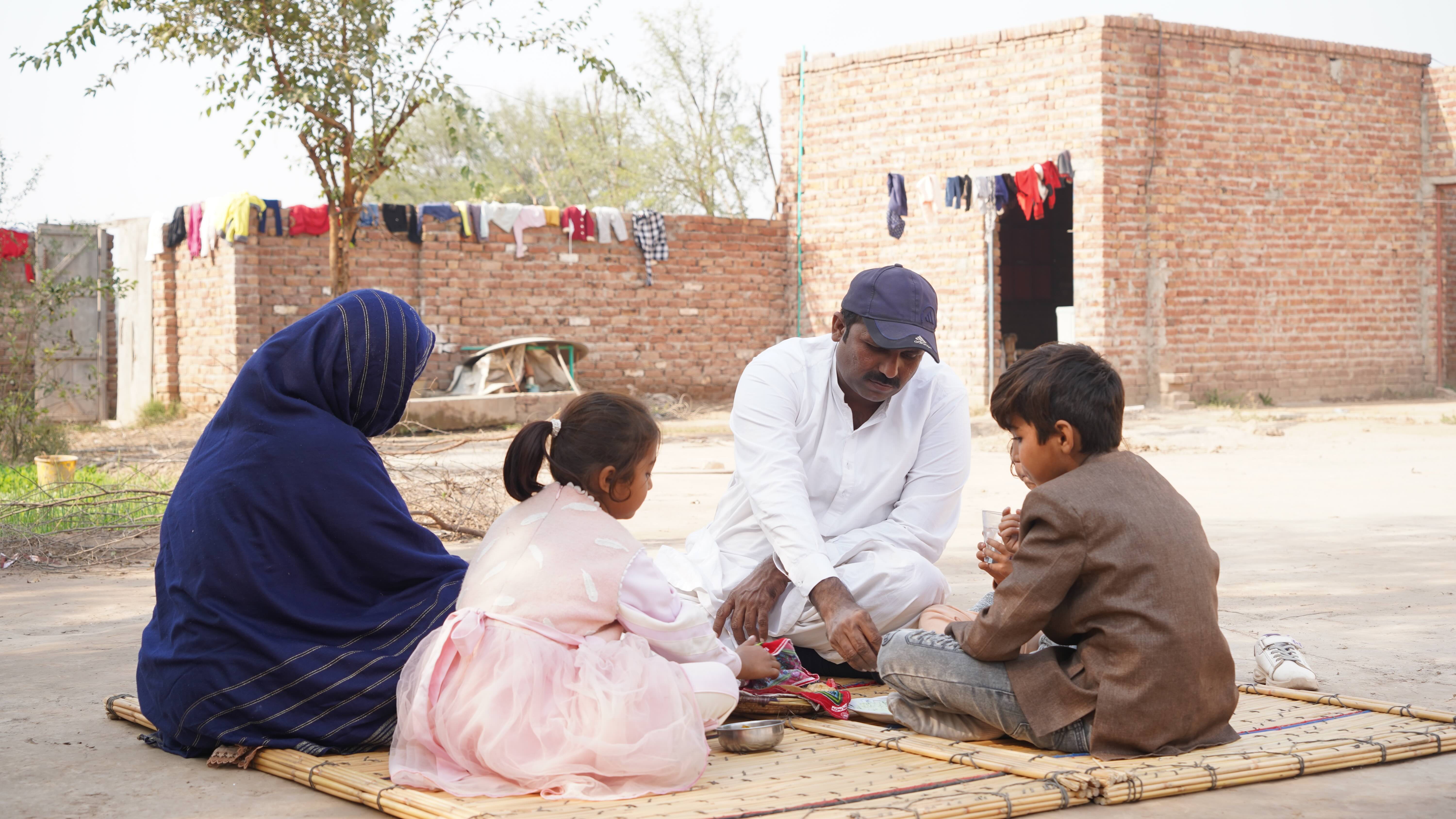
Globally, MSMEs represent about 90% of businesses and more than half of employment. In agrifood systems (the network of people, businesses, processes and infrastructure that moves food from farms to our plates), the role of MSMEs is even more important. They connect farmers to consumers and help determine whether nutritious foods such as fruits, vegetables, pulses, eggs, dairy, fish and fortified staples are available and affordable. This is critical because about 2.6 billion people could not afford a healthy diet in 2024, with affordability worsening in Africa and many low-income countries.

Private sector engagement for healthier food systems

Creating Jobs

And jobs in agrifood MSMEs include smallholder farmers, traders, millers, processors, transporters, cold-chain operators, market vendors, retailers and caterers. Around 1.23 billion people work in agrifood systems worldwide. In Africa and Asia, 70% of employment remains linked to agriculture, making MSMEs central to jobs, incomes, food security and dignity.

Powering Local Economies

When a small processor buys from local farmers, hires workers, packages food and sells through nearby markets, money circulates within the community. Women and young people often play a major role in these businesses, especially in food processing, retail and informal trade. Supporting MSMEs therefore strengthens both livelihoods and food supply.

Saving Environment

Their environmental role matters too. In 2023, Agrifood systems produced 16.5 billion tonnes of carbon dioxide equivalent (CO₂eq), about 32% of global emissions. MSMEs can help reduce this through solar drying, efficient milling, better storage, low-cost cold chain and drying technologies, improved packaging and shorter supply chains. These solutions can contribute to food loss and waste reduction, which is responsible for an estimated 8–10% of global greenhouse gas emissions.

At the Global Alliance for Improved Nutrition (GAIN), working with MSMEs is part of our DNA. Our support follows a four-fold strategy. First, we help strengthen policies and enabling environments, including linking nutritious food MSMEs to institutional markets such as social protection and public procurement.

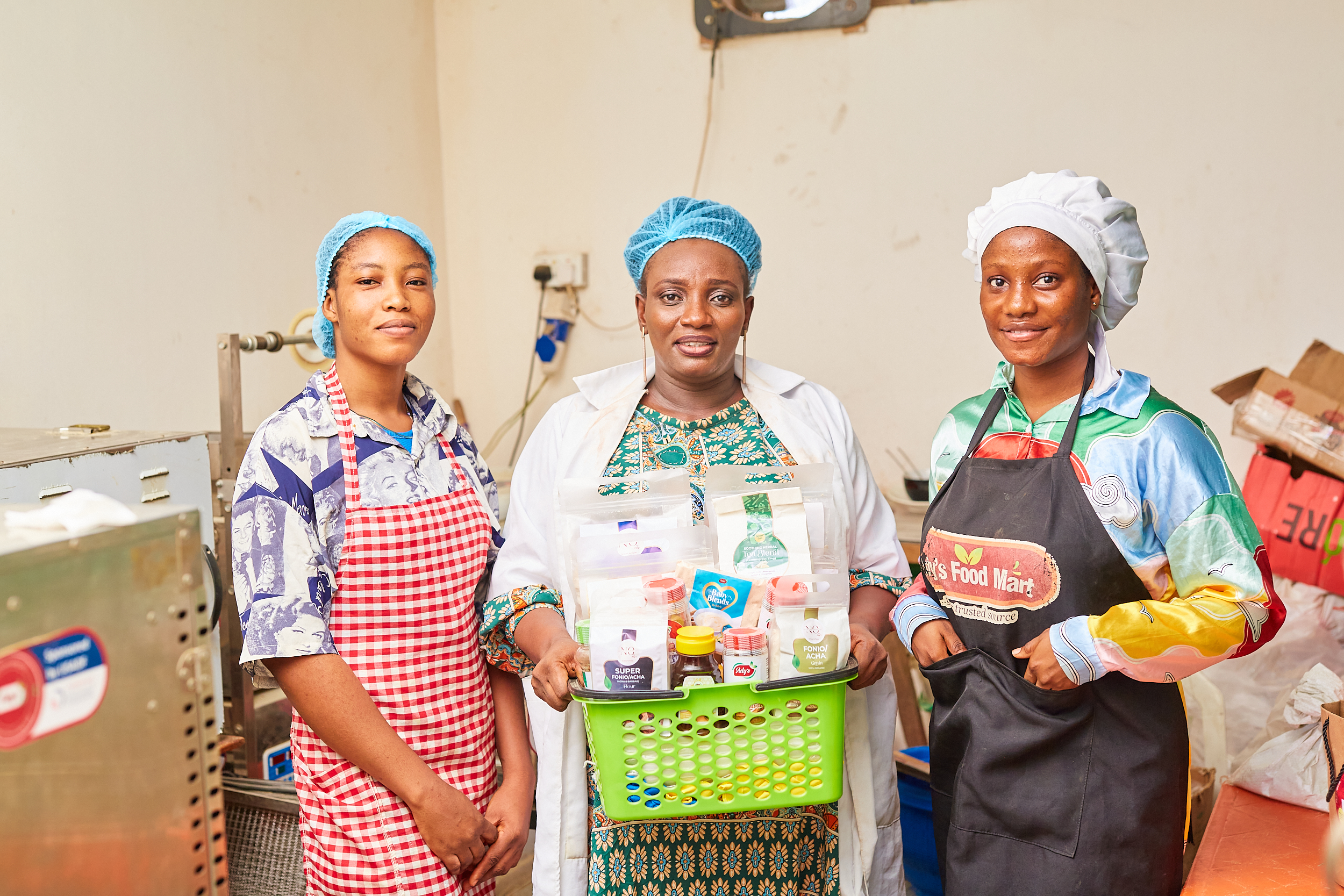
Second, we provide enterprise capability building, including business development support, digitalisation, food safety, product formulation, food processing, connecting farmers to agricultural extension services and post-harvest loss reduction technologies.

Third, we build partnerships with governments, businesses and enterprise support organisations, so nutrition becomes part of mainstream business support.

Fourth, we help unlock financing through initiatives such as the Nutritious Foods Financing Facility, which combines investment with technical assistance for nutritious food SMEs in Sub-Saharan Africa.

The challenges remain significant: limited finance, unreliable electricity, weak infrastructure, poor storage, regulatory barriers and food safety gaps. But the opportunity and the urgency is clear.

As the world marks World MSME Day on 27 June, let us recognise the critical role MSMEs play in making our food systems truly resilient, and invest in the small businesses that keep food moving, communities working and families nourished. Stronger MSMEs mean healthier diets, better jobs, stronger economies, more secure livelihoods and a more sustainable future.

Author

Penjani Mkambula is Chief Technical Officer at the Global Alliance for Improved Nutrition (GAIN). He provides strategic and technical leadership to GAIN’s programmes globally. He also works with GAIN colleagues and partners on programme design and implementation. 


World MSME Day and resilient food systems
Additional resource

GAIN celebrates World MSME Day 2026

Learn more about how GAIN is recognising the role of MSMEs in building healthier, more resilient food systems.

Explore the World MSME Day page