
Dr. Lawrence Haddad
Executive Director, GAIN
I was at the African Food System Forum a couple of weeks ago in Kigali. I’m always energized by the people I meet and the creative things they are doing. There were three highlights for me from the meetings.
Demand. We saw demand take the stage at AFSF 2026. When food demand changes, food systems will respond. Different crops will be grown, different infrastructure will be built, new companies will be established, new policies introduced, new standards for quality and safety will be set, new marketing campaigns will be launched and new forms of food loss and waste will emerge.
If the foods that increase in demand are healthy, it means nutrition will improve, jobs will be created (as healthy food supply tends to be more labour intensive), climate resilience will improve (as more diverse diets tend to be well served by more diverse food systems) and emissions will be reduced (since much less beef will be consumed).
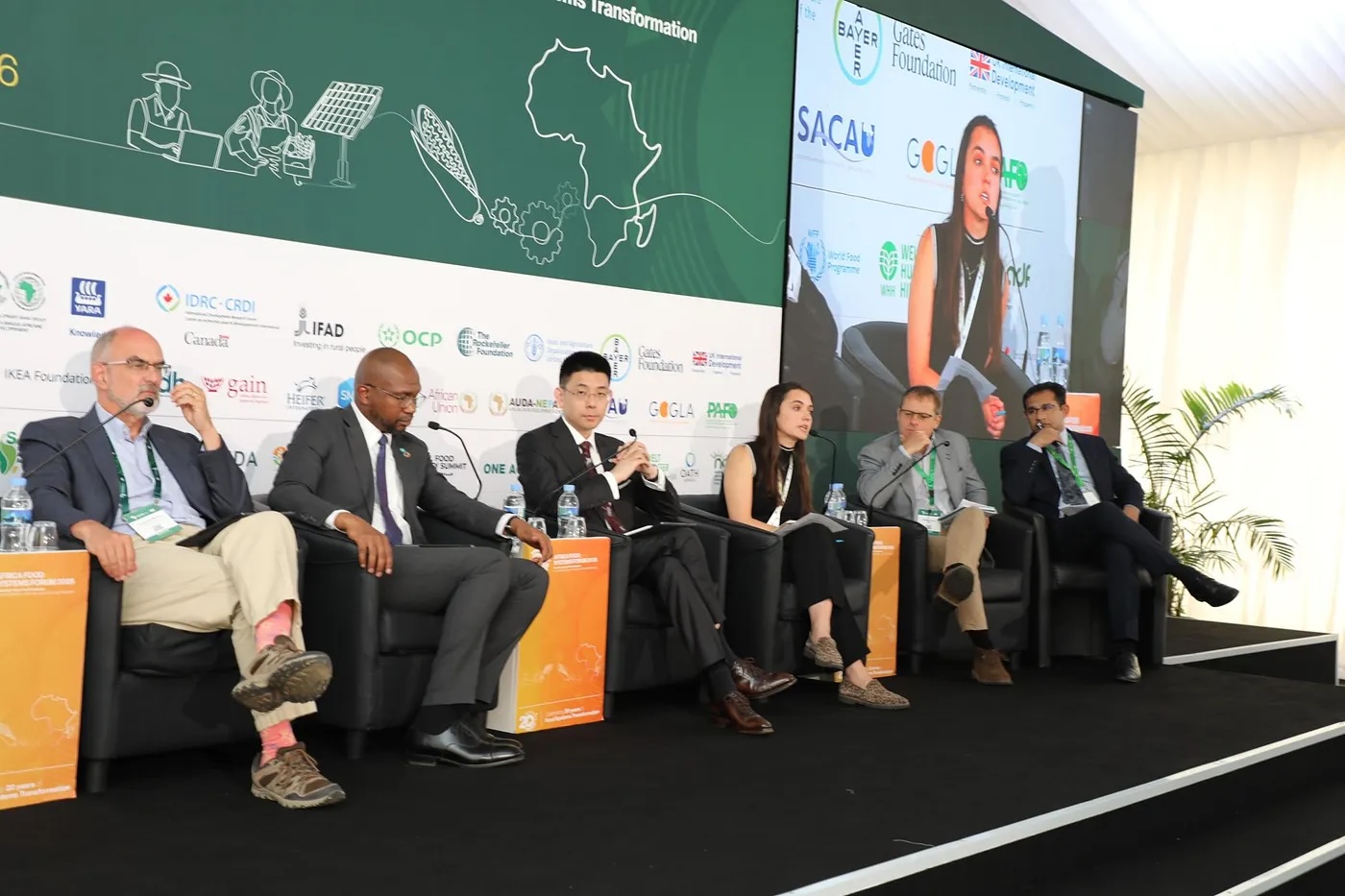
There was a plenary session that focused on demand, although it was on the last day. That’s a pity: demand should have been highlighted on the first day. We often say we work farm to fork but really is should be fork to farm. Supply without demand is futile, and demand without supply is a missed opportunity. Demand — whether government procurement or consumers in the marketplace — is the turnkey for transforming food systems. We need to understand demand better and how to shift it towards health of people and planet. GAIN uses a number of broad and targeted ways of doing this with our partners and it usually involves finding out what drives consumer food purchases in a given context, and then linking healthy foods to that — leading with the health of foods does not usually work.
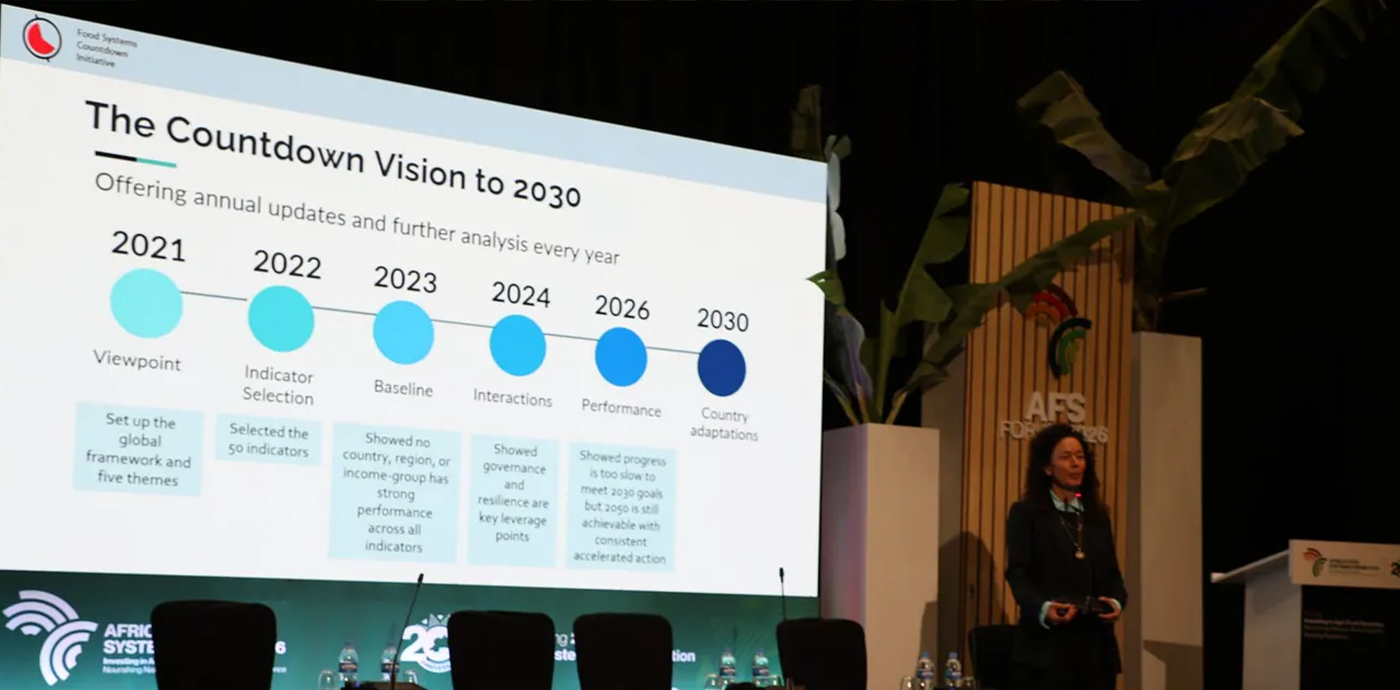
Acceleration. Food system transformation is too slow. For Africa ¾ of the Food System Countdown indicators are far or very far from global benchmarks (and note they are not much better in other regions of the world). What will it take for things to speed up? Intentionality and intensity.
We need to quickly digest plans and strategies into a set of linked investments, with investors from the public and private sectors involved early on in co-constructing these deals. The construction of these deals can often seem like four dimensional chess, where incentives have to line up in a myriad of ways between a multitude of stakeholders, but there are experts out there who are very adept in solving these food system Rubik cube problems. We need to work with them to do that.
This is what the Agrifood system accelerator co-chaired by GAIN and FAO, with AGRA, GIZ, the Netherlands Food Partnership, Akademiya 2063 and the UN Food Systems Hub as core partners, is designed to do. We are currently working with 6 countries with others waiting to engage.
Our session at the AFSF was full, despite being at 8am and we had excellent panelists at the Ministerial level from Sierra Leone and Nigeria.
Partnerships. There is always a lot of talk about partnerships at AFSF and other convening platforms. We hear often about how if you want to move fast, go alone, but if you want to move far, go together. But how do we move fast and far at the same time? My guess is that we have to invest slowly in partnerships in order to move fast once they are sufficiently mature. GAIN and AGRA have been building our relationship for the past 5 years, at the global and country levels.
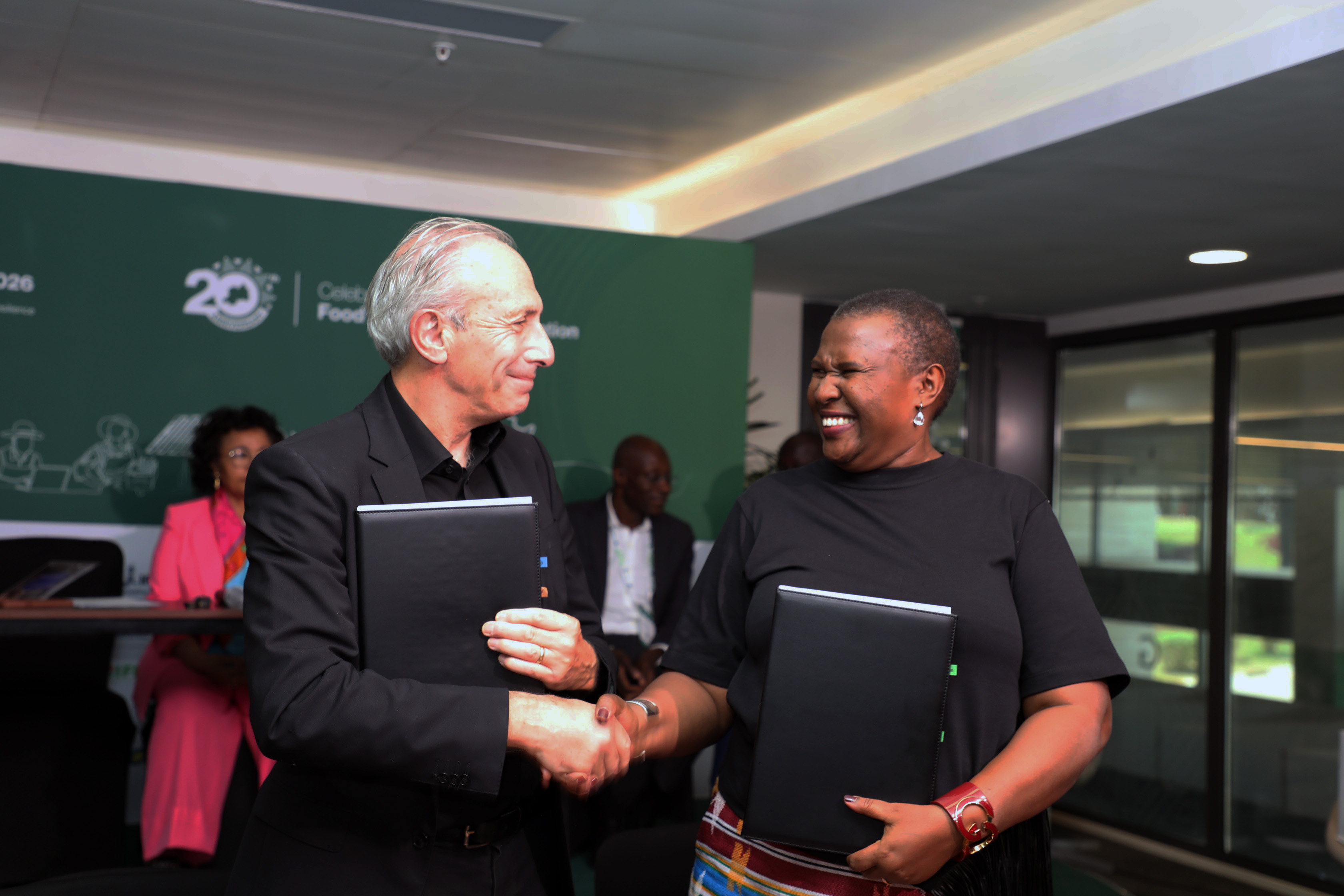
We signed a new MOU at AFSF 2026 to focus and intensify that work — to make food systems work better for nutrition. AGRA has a sweet spot in the nutritious foods production to processing side and GAIN has a sweet spot in the nutritious foods processor to market to consumer side. Together we hope 1+1 is much greater than 2. After learning about each other’s culture, people, partners and comparative advantages, we are now ready to move faster than ever. Watch this space.
I often say the AFSF is the best food system meeting in the calendar. Despite being African in focus, it has learnings for the rest of the world. Where else do you find so many Ministers of Agriculture, Environment, Health, Business, Trade and Jobs in one place, in a relatively intimate setting, freely talking to participants without scores of aides and entourages? Where else do we get so many businesses — mostly small and medium — being put directly in front of investors? Where else do we get governments pitching to finance institutions? Where else do we get researchers scanning the practitioner world to home in on the questions for which answers will really move the needle on impactful action? I can’t think of many, if any. I’m already looking forward to next year.
To know more about GAIN’s participation at AFSF 2026, please visit GAIN at the Africa Food Systems Forum 2026 .
Executive Director, GAIN